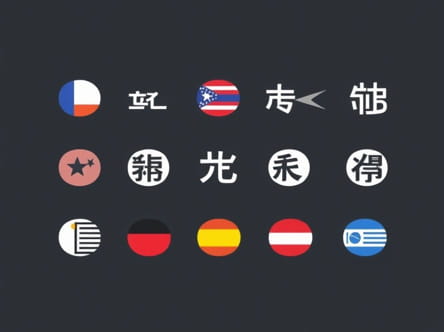
One of the most universal and recognizable words across the globe is the simple, two-letter expression no. Used to indicate refusal, denial, or disagreement, the word no plays a crucial role in communication, boundaries, and cultural expression. Interestingly, while it may seem basic, the word takes many unique forms depending on the language and region. Understanding how to say no in every language imaginable opens up fascinating insight into human interaction, language structure, and cultural context. This topic explores how to say no in many of the world’s languages and examines how its tone, formality, and meaning can shift across cultures.
The Importance of No Across Cultures
Saying no is not only a linguistic act it is often a cultural one. Some societies are more direct, using their form of no bluntly, while others rely on softer rejections. In Japan, for instance, direct refusal can be considered rude, and people often use expressions that imply a no without saying it outright. In contrast, German and Dutch speakers are often more direct. Despite differences, all languages have a way to express negation.
The Linguistic Diversity of No
Below is a selection of how to say no in a variety of languages, showcasing the diversity and simplicity of this powerful word:
- English: No
- Spanish: No
- French: Non
- German: Nein
- Italian: No
- Portuguese: Não
- Russian: ÐÐµÑ (Net)
- Arabic: Ùا (La)
- Chinese (Mandarin): ä¸ (Bù)
- Japanese: ããã (Iie)
- Korean: ìëì (Aniyo)
- Hindi: नहà¥à¤ (Nahi)
- Swahili: Hapana
- Turkish: Hayır
- Greek: ÎÏι (Ochi)
- Polish: Nie
- Finnish: Ei
- Thai: à¹à¸¡à¹ (Mai)
- Vietnamese: Không
- Zulu: Cha
Nonverbal Ways of Saying No
Sometimes, a verbal no is not even necessary. Across different parts of the world, people express rejection using body language or gestures. In India, a side-to-side head wobble may signal disagreement. In some parts of Africa, a simple raised eyebrow can do the job. Western cultures often use a head shake to signal no, and children universally learn to frown, pout, or cross their arms to signal refusal long before they master speech.
Politeness and Formality in Rejection
The word no can carry different weights depending on how it is delivered. In English, tone can transform no into something polite, firm, or rude. Compare the following examples:
- No, thank you. – polite refusal
- Absolutely not. – strong rejection
- Nope. – informal
- No way! – emphatic
In Japanese, the word ããã (Iie) is formal, but people often use phrases like ã¡ãã£ã¨é£ã ãã§ã (It’s a bit difficult) to imply refusal without causing offense. In Arabic cultures, saying no too directly can sometimes come across as impolite, so indirect expressions are preferred depending on the situation and relationship between speakers.
No in Constructed and Endangered Languages
Not all expressions of no come from widely spoken tongues. Some constructed or endangered languages also offer interesting variations:
- Esperanto: Ne
- Klingon (from Star Trek): ghobe’
- Latin: Non
- Hawaiian: ʻAʻole
- Navajo: Doo (with verb negation)
- Welsh: Na
Efforts to preserve endangered languages often focus on everyday words like no, which are essential to natural conversation. Language revitalization projects ensure that even the most basic vocabulary is retained across generations.
Children and the First Word No
In child development, no is often among the first words a toddler learns. This is not by coincidence no is a tool for expressing autonomy. A child who learns to say no is not simply being defiant; they are beginning to explore the concept of personal boundaries, identity, and choice. Psychologists have studied the age at which children begin using the word no and found that it typically appears between 12 and 18 months.
Understanding Context: When No Means Something Else
Interestingly, in certain situations, no might not mean a full refusal. It might be used to soften a situation, imply a condition, or reflect hesitation. For example:
- No offense, but – often followed by a criticism
- No worries. – expressing reassurance
- No doubt. – meaning certainty, despite using the word no
In some cultures, a hesitant no might actually be an invitation to insist. This is common in Middle Eastern or East Asian hospitality traditions, where a guest may refuse food or drink several times out of politeness before accepting.
The Universal Need for Boundaries
Whether verbal or nonverbal, direct or indirect, no serves as a key function in every human relationship. It helps protect our time, our bodies, and our values. Knowing how to express no in every language imaginable is not only useful for travel or translation it empowers respectful boundaries across cultures.
Saying No with Respect and Clarity
Learning how to say no in many languages reveals the rich diversity of human communication. While the word may change from non to net to bù, the intention behind it remains constant. Saying no is not always negative it’s a way to protect ourselves, maintain social order, and communicate effectively. Whether you are navigating a new language, practicing assertiveness, or appreciating cultural nuance, mastering the art of no is a simple yet profound skill that crosses borders and languages.