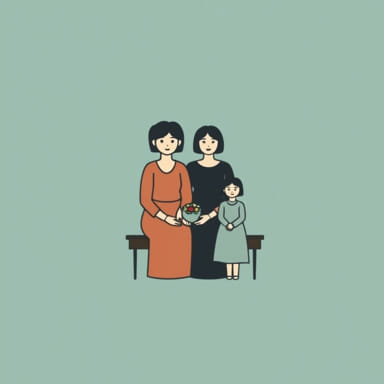
In examining the early life and personal influences of Dr. José Rizal, the Philippine national hero, one striking feature that emerges is the role of his family, particularly the dominant presence of women. While Filipino society has often been described as patriarchal in structure, Rizal’s own upbringing within the Mercado-Rizal household displays unique elements of matriarchy. This was not just a reflection of household dynamics but also a deeply rooted cultural and emotional structure in which women were the primary educators, moral compasses, and emotional anchors of the family. Understanding this matriarchal influence provides a richer perspective on the shaping of Rizal’s intellect, values, and sense of nationhood.
The Central Role of Teodora Alonso
Rizal’s mother, Teodora Alonso Realonda, was more than a traditional housewife. She was a well-educated and deeply principled woman who took an active role in the intellectual and moral upbringing of her children. In a time when women’s voices were often confined to domestic spaces, Teodora was a formidable figure who stood firmly for her beliefs and inspired her children to do the same.
Teodora as an Educator
One of the most significant aspects of Rizal’s matriarchal family structure was Teodora’s influence in his early education. She taught him to read and write at a very young age and introduced him to literature and values that would later shape his ideals of freedom and justice. Her discipline, intelligence, and moral strength laid the groundwork for Rizal’s intellectual development.
Defender of Principles
Teodora’s imprisonment for allegedly attempting to poison her brother-in-law became a pivotal moment for young Rizal. Witnessing his mother’s unjust suffering left a profound impression on him. It instilled a strong sense of justice and the importance of standing up for truth themes that would recur throughout his writings and activism.
Women as Pillars of Emotional and Moral Stability
Rizal’s family included nine sisters, each of whom contributed in their own ways to his development. While his father, Francisco Mercado, played a traditional role as the family provider and disciplinarian, it was the women of the family who offered Rizal emotional support and encouragement, especially during times of hardship.
His Sisters’ Support
Rizal’s sisters particularly Saturnina, Narcisa, and Trinidad played key roles in sustaining him emotionally and financially throughout his years of study and exile. They corresponded with him, sent him money, and even risked their safety to smuggle his writings and messages. Their unwavering support highlighted the deep-rooted loyalty and strength of the women in his life.
Matriarchal Communication and Care
The frequent letter exchanges between Rizal and his sisters show a tone of mutual respect and deep emotional connection. His sisters provided not only updates on the family but also reflections on values, responsibilities, and hope for national change suggesting their own engagement in intellectual and political life, albeit in quiet ways.
Cultural Context of Filipino Matriarchy
Although colonial Philippine society was heavily influenced by Spanish patriarchy, indigenous Filipino traditions had long valued the role of women as leaders, healers, and decision-makers. In many pre-colonial societies, women held equal, if not greater, power in family and community affairs. These traditional values persisted subtly even under colonial influence, especially within family structures.
Household Management
Filipino mothers have historically been seen as the managers of the home. In the Rizal household, it was Teodora who managed not only the daily functions but also the education and emotional well-being of the children. Her leadership in domestic matters reflects a cultural continuity of matriarchal authority that survived colonization.
Women’s Silent Influence
In the case of Rizal’s family, women did not overtly lead political revolutions, but their influence was embedded in everyday life in shaping values, instilling discipline, and building emotional resilience. This kind of power, while not often recorded in history books, was instrumental in producing the very men who would become national heroes.
Influence on Rizal’s Views on Women
Rizal’s exposure to strong female figures deeply influenced his views on women’s roles in society. In his famous essay Letter to the Young Women of Malolos, he encouraged women to be educated, to think independently, and to resist oppression. His ideal woman was a product of his own upbringing: intelligent, principled, and brave.
Education as Empowerment
In his writings, Rizal often emphasized the importance of educating women not just as homemakers but as active participants in nation-building. This viewpoint was radical at the time and reflected his belief that the strength of a nation rested on the wisdom and virtue of its women.
Personal Relationships
Rizal’s relationships with women whether with family members, friends, or romantic partners were marked by mutual respect. His admiration for intelligent and independent women can be traced back to the model set by his mother and sisters, further supporting the idea that his family was matriarchal in both structure and spirit.
The Lasting Impact of Matriarchal Upbringing
Understanding that Rizal’s family was matriarchal allows us to reframe his heroism not as an isolated act of genius, but as the result of a nurturing, value-rich environment led by women. It underscores the invisible labor and leadership that shaped the nation through its future leaders.
- Teodora Alonso’s firm principles instilled a love for justice and education.
- His sisters provided emotional and logistical support throughout his life.
- The cultural heritage of female authority endured despite colonial imposition.
- Rizal’s respect for women’s intelligence and independence influenced his reformist writings.
A Silent Revolution
While Rizal’s revolutionary efforts against Spanish colonial rule are widely celebrated, the silent revolution within his home was equally transformative. The matriarchal structure empowered him with the moral and intellectual foundations to challenge injustice. His advocacy for women’s rights and education was not just theoretical but born of lived experience.
Matriarchy as a Foundation of Heroism
Rizal’s family was matriarchal because the women led not just in domestic matters, but in shaping minds, nurturing ideals, and defending principles. They served as the pillars of strength and wisdom that guided Rizal from childhood to martyrdom. Recognizing the matriarchal nature of his upbringing allows us to see the broader picture of how family, culture, and gender roles contribute to nation-building. In the story of José Rizal, the influence of women is not a footnote it is the foundation.