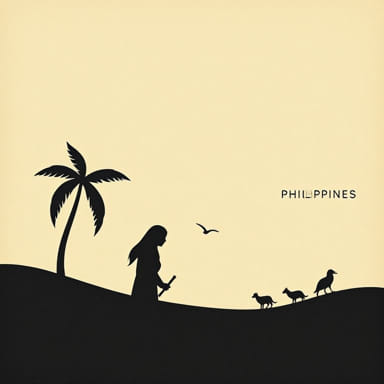
In the aftermath of World War II, the Philippines entered a critical phase of rebuilding not just its economy and infrastructure but also its national identity. The devastation caused by the war left deep scars across the archipelago, but it also inspired a wave of creative expression rooted in patriotism, resilience, and cultural pride. This period saw the rise of nationalistic arts in the postwar Philippines art that echoed the voice of a people striving to reclaim their independence, redefine their heritage, and assert their identity on their own terms. These works were not merely for aesthetic appreciation; they became instruments of healing, resistance, and remembrance, capturing the soul of a nation in recovery.
The Rise of Nationalistic Themes in Postwar Filipino Art
Context of Postwar Recovery
After the liberation of the Philippines from Japanese occupation in 1945, the country faced the difficult task of rebuilding a sense of unity and purpose. Art became a vital avenue for expressing grief, heroism, loss, and hope. As Filipinos emerged from the trauma of war, artists began to reflect on their shared experiences and express collective aspirations for freedom and nationhood.
The drive toward nationalism was not only cultural but also political. The 1946 recognition of Philippine independence from the United States ushered in a new era of self-governance and self-determination. Artists, writers, and performers took this opportunity to reflect on what it meant to be Filipino. Nationalistic arts flourished in various forms, including painting, literature, music, theater, dance, and cinema.
Visual Arts and the Reclaiming of Identity
Postwar Filipino Painters and Their Themes
Many visual artists in postwar Philippines drew inspiration from the country’s struggle for independence and the heroism of its people. One of the most prominent names in this movement was Carlos Botong Francisco, known for his vivid murals that captured scenes of Filipino history and everyday life. Through his art, Francisco contributed to the shaping of a collective memory that celebrated native identity and the valor of Filipino ancestors.
Other notable painters like Vicente Manansala and Hernando Ocampo also emphasized Filipino themes in their work. While Manansala embraced a form of cubism blended with indigenous imagery, Ocampo used bold abstract forms to convey emotion and national spirit. These artists laid the foundation for modern Filipino art rooted in national consciousness.
- Historical subjects such as the Katipunan revolution and the lives of heroes became recurring motifs.
- Rural life, local traditions, and folk customs were also popular subjects as artists celebrated the beauty of Filipino culture.
- Scenes of war and survival highlighted the resilience and strength of the Filipino spirit.
Literature as a Voice of the Nation
Writers and Poets in the Postwar Era
Filipino literature in English, Tagalog, and other local languages thrived during the postwar period. Authors turned to storytelling as a way to express the social realities of a wounded but hopeful nation. Writers like Nick Joaquin, F. Sionil José, and Amado V. Hernandez produced works that tackled identity, colonial legacies, poverty, and resistance.
Amado V. Hernandez, in particular, became known for his socially committed poetry that championed the working class and denounced injustice. His experiences as a labor leader and political prisoner shaped his nationalistic writing style, which resonated deeply with the Filipino masses.
Nationalistic literature emphasized the power of memory and language to preserve culture and history. It allowed the Filipino people to re-examine their place in a changing world and gave them a sense of pride in their heritage.
Music and Performing Arts as National Expressions
Folk Music and National Identity
Postwar music in the Philippines saw the resurgence of folk elements, traditional instruments, and regional dialects. Musicians and composers reintroduced native rhythms and melodies into contemporary settings, reinforcing cultural pride. Kundiman, a genre of traditional Filipino love songs, was revitalized with nationalistic themes.
Composers like Lucio San Pedro and Antonio Molina incorporated Filipino folklore, nature, and emotion into their orchestral and choral works. Their music celebrated the Filipino soul and helped institutionalize a sense of cultural pride in educational and public settings.
Theater and Dance
Philippine theater groups used stage performances to retell the nation’s history, myths, and struggles. Organizations like the Philippine Educational Theater Association (PETA), established later in 1967, had roots in earlier movements that combined drama with activism. Even in the immediate postwar years, local theater was a vibrant space for reflecting nationalistic sentiment.
Traditional dance forms such as tinikling, singkil, and cariñosa were also revived and celebrated as symbols of regional and national identity. Cultural troupes began to tour both locally and abroad to showcase the richness of Filipino dance heritage.
Architecture and National Symbolism
Designing for Independence
The postwar reconstruction period included the rebuilding of many towns and cities, and with it came opportunities to infuse architecture with nationalistic symbolism. Architects like Juan Nakpil and Leandro Locsin introduced designs that combined modernist principles with Filipino aesthetics.
Structures such as schools, museums, and civic buildings were constructed not just for utility but also to inspire patriotism and pride. Materials, motifs, and design elements rooted in Filipino heritage became more common, reflecting a desire to celebrate indigenous identity through the built environment.
Influence of Government and Institutions
Support for Cultural Programs
The Philippine government played a role in nurturing nationalistic arts during the postwar era. Cultural agencies were established to promote Filipino heritage and support artists. Institutions like the Cultural Center of the Philippines (established later in 1969 but influenced by earlier efforts) helped systematize the development of the arts as a tool for nation-building.
- Educational reforms included the integration of Philippine history, language, and culture into school curricula.
- National art competitions and grants encouraged creativity rooted in patriotism.
- Museums and galleries began to collect and preserve artworks reflecting Filipino identity and struggle.
Legacy and Continuing Impact
Lasting Effects on Filipino Culture
The surge of nationalistic arts in postwar Philippines had a lasting impact on how Filipinos view their culture and history. The movement helped establish a visual and literary canon that continues to influence artists today. More importantly, it created a cultural infrastructure that recognized the arts as essential to national development.
Today’s Filipino creatives continue to draw inspiration from the postwar period, building upon the foundation laid by earlier generations. The themes of identity, resistance, and pride remain central to Philippine art, showing that the spirit of nationalistic creativity is very much alive.
Nationalistic arts in postwar Philippines were not just about creativity they were about survival, memory, and transformation. They played a crucial role in rebuilding the nation’s identity after the devastation of war, helping Filipinos reconnect with their heritage and imagine a future grounded in pride and independence. Whether through visual art, music, literature, or architecture, postwar artists shaped a cultural movement that still resonates in the Filipino consciousness today.