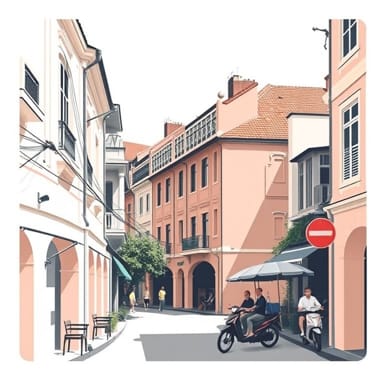
The Old Quarter in Hanoi is one of the most captivating and culturally rich areas in Vietnam’s capital city. With its narrow streets, colonial buildings, and vibrant street life, this historic district offers an immersive experience for travelers looking to explore the heart of Vietnamese tradition. Walking through the Old Quarter is like stepping back in time while still feeling the pulse of modern life. It’s a place where the past and present live side by side street vendors selling traditional snacks next to boutique shops, and temples nestled among cafés. The sounds of scooters, the aroma of street food, and the sight of colorful shop signs make this quarter a sensory feast that captures the essence of Hanoi.
History and Origins
Centuries of Commerce
The Old Quarter dates back over a thousand years, originating as a bustling hub of artisans and traders during the Ly and Tran dynasties. Traditionally known as the ’36 Streets,’ each street was named after the trade or guild it represented. For instance, Hang Bac means ‘Silver Street’ (for silversmiths), and Hang Gai refers to ‘Silk Street.’ While not all streets remain true to their original trade, many still retain their historical identities, preserving the commercial character that has long defined the area.
Colonial and Cultural Influence
During the French colonial period, Hanoi’s Old Quarter saw architectural and urban transformations. Many buildings from this time still stand, blending French colonial design with Vietnamese styles. This cultural layering gives the area a unique charm that attracts both history enthusiasts and casual travelers alike. Temples, pagodas, and communal houses further highlight the area’s spiritual and community-oriented past.
Street Layout and Exploration
Labyrinthine Streets
The Old Quarter is known for its maze-like layout. Streets are narrow and lively, with motorbikes weaving through pedestrians, street vendors, and delivery carts. Despite the apparent chaos, there is a rhythm and organization rooted in centuries of daily trade and routine. Exploring on foot is the best way to take in the full character of the area, though be prepared to navigate through a constant flow of activity.
Popular Streets to Visit
- Hang Ma Street: Known for colorful paper goods and festive decorations, especially around Tet (Lunar New Year).
- Ta Hien Street: Famous for its nightlife, offering a range of local beers and open-air bars.
- Hang Dong: Specializes in bronze goods and traditional craftsmanship.
- Hang Gai: The place to shop for silk products and tailored clothes.
Street Food and Local Cuisine
A Culinary Adventure
One of the biggest draws of Hanoi’s Old Quarter is its incredible street food scene. Food is an essential part of Vietnamese culture, and nowhere is that more evident than here. From tiny stalls to family-run eateries, the Old Quarter is a paradise for food lovers.
Must-Try Dishes
- Pho: The iconic Vietnamese noodle soup served with beef or chicken, fresh herbs, and lime.
- Banh Mi: A French-Vietnamese fusion sandwich filled with meat, pickled vegetables, and pate.
- Bun Cha: Grilled pork served over rice noodles with fresh greens and dipping sauce.
- Egg Coffee (Ca Phe Trung): A unique Hanoi specialty made with whipped egg yolk and strong coffee.
Street corners often turn into makeshift dining areas at night, where visitors sit on small plastic stools and enjoy fresh, flavorful dishes in the open air.
Cultural Attractions and Landmarks
Temples and Pagodas
Amid the commercial bustle, sacred spaces remain integral to the neighborhood’s identity. Notable sites include:
- Bach Ma Temple: One of the oldest temples in Hanoi, honoring a legendary white horse.
- Quan De Temple: Dedicated to Guan Yu, a Chinese general worshiped for loyalty and strength.
These temples provide a peaceful contrast to the busy streets and offer insights into the area’s spiritual life.
Historical Architecture
The Old Quarter features a variety of architectural styles, including tubular houses designed to maximize space on narrow plots. French colonial buildings with iron balconies, pastel walls, and wooden shutters add to the visual diversity. Walking tours often highlight architectural elements that tell stories of the neighborhood’s evolution.
Shopping and Markets
Local Markets
Markets are central to daily life in the Old Quarter. The most prominent one is:
- Dong Xuan Market: A massive indoor market offering everything from clothing and electronics to local snacks and souvenirs.
Outside the market, you’ll find streetside stalls selling traditional medicine, handicrafts, and household items. Haggling is part of the experience, so don’t be shy about negotiating prices.
Handicrafts and Souvenirs
Visitors can shop for handmade goods such as lacquerware, ceramics, embroidered items, and silk scarves. Many shops also sell propaganda-style posters, antiques, and custom-tailored clothing all excellent souvenirs of your time in Hanoi.
Nightlife and Entertainment
Vibrant Evenings
As the sun sets, the Old Quarter transforms. Bright lights, live music, and laughter fill the air as both locals and tourists gather for an evening out. Popular nightlife options include rooftop bars, jazz cafés, and local beer joints known as bia hoi corners where fresh draft beer is served cheaply.
Traditional Performances
For a cultural evening, consider attending a water puppet show at the nearby Thang Long Water Puppet Theater. This traditional art form dates back centuries and combines music, storytelling, and puppetry on water.
Tips for Visiting
Best Time to Go
The best months to visit Hanoi are from October to April, when the weather is cooler and less humid. Early mornings and late afternoons are ideal times to explore the Old Quarter on foot without the mid-day heat.
Getting Around
- Wear comfortable walking shoes, as many streets are uneven or cobblestoned.
- Be cautious when crossing streets traffic doesn’t always stop for pedestrians.
- Download offline maps or use a local guide for orientation.
Respect Local Customs
Though the area is tourist-friendly, it’s important to respect local traditions. Dress modestly when entering temples, ask before taking photos of people, and support local businesses where possible.
The Old Quarter Hanoi is a living, breathing museum of Vietnamese culture, history, and everyday life. Its charm lies in the fusion of ancient and modern a place where centuries-old temples stand beside trendy cafés, and artisans still work the trades their ancestors began. With its culinary delights, architectural gems, bustling markets, and cultural experiences, the Old Quarter is an essential stop for anyone visiting Hanoi. Whether you’re wandering the 36 Streets, sipping egg coffee, or shopping for silk, this vibrant district will leave you with unforgettable memories and a deeper appreciation for Vietnam’s rich heritage.