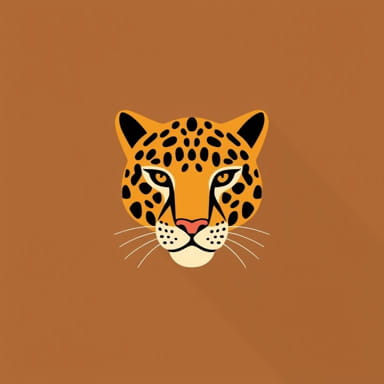
Leopard print has become one of the most recognizable and enduring patterns in fashion history. Known for its wild aesthetic, leopard print mimics the spots found on the fur of a real leopard, offering a bold and exotic visual. This print has evolved far beyond its origins, finding a permanent place not only in fashion but also in interior design, accessories, and cultural expression. With its distinctive blend of brown, tan, black, and sometimes gold or beige, leopard print captures attention and adds a sense of fierce individuality to any look or space.
Definition of Leopard Print
Leopard print is a design pattern inspired by the natural spots of the leopard, a large feline known for its striking coat. The pattern typically consists of clusters of dark rosettes on a lighter background. While the print originally imitated real fur, today it is produced in countless variations across fabrics, colors, and textures. This iconic motif represents luxury, confidence, and a touch of rebellion.
Common Features of Leopard Print
- Irregular black or dark brown spots (rosettes)
- Beige, tan, or golden background color
- Found in symmetrical or scattered patterns
- Used in both realistic and abstract interpretations
Leopard print remains a go-to choice for designers and consumers who want to express bold style with a timeless twist.
Historical Context and Cultural Influence
Leopard print’s connection with human fashion dates back to ancient times. In many African cultures, leopard skins were symbols of power and were worn by chiefs, royalty, and warriors. The print represented bravery, status, and spiritual significance. Over time, it became associated with exoticism in Western fashion and made appearances on stage, in movies, and in haute couture collections.
Leopard Print in Fashion History
- 1920s-1930s: Gained popularity through Hollywood actresses who wore leopard furs
- 1950s: Became a glamorous staple in women’s fashion, often featured in coats and eveningwear
- 1970s: Associated with rock stars and rebellious youth culture
- 1990s-2000s: Reemerged in pop culture through icons like Madonna and the Spice Girls
Today, leopard print continues to cycle in and out of mainstream trends, but never truly disappears. Its ability to be adapted to different eras and styles keeps it relevant.
Modern Uses of Leopard Print
In the modern era, leopard print is more than a fashion trend it’s a statement. It appears in a wide range of clothing and accessories for all genders and ages. The pattern’s versatility allows it to be styled in ways that range from classy to edgy, depending on the garment and how it’s worn.
Popular Items Featuring Leopard Print
- Dresses: From sleek bodycon styles to casual maxi dresses
- Coats and Jackets: Faux fur coats and trench coats featuring leopard print are fashion staples
- Shoes and Bags: Leopard-print heels, boots, sneakers, and handbags are widely available
- Activewear: Leggings and sports bras with leopard patterns are popular in fitness fashion
- Accessories: Scarves, belts, headbands, and even phone cases
Designers often use leopard print to inject personality into their collections. It’s a way to balance classic silhouettes with modern flair.
Psychological Appeal of Leopard Print
Leopard print often evokes strong emotions and carries multiple meanings. It can be seen as sexy, sophisticated, powerful, or rebellious sometimes all at once. The pattern draws on primal instincts and has been linked to confidence and boldness in wearers.
Why People Love Leopard Print
- Visual Impact: The print stands out and commands attention
- Symbol of Strength: Suggests fearlessness and independence
- Sense of Glamour: Frequently used in luxurious settings and fashion
- Versatility: Pairs well with both neutral and vibrant colors
Because of its unique combination of appeal and adaptability, leopard print continues to find new fans across generations.
Leopard Print in Home Decor
Beyond clothing, leopard print has found a place in interior design. Whether used subtly or as a focal point, it adds depth, warmth, and character to any room. Designers may use leopard motifs on upholstery, wallpaper, bedding, or decorative pillows.
Incorporating Leopard Print at Home
- Accent Chairs: Leopard-upholstered furniture adds a chic statement
- Pillows and Throws: Great for a touch of style without overwhelming a space
- Wall Art: Leopard-themed prints or abstract versions for modern interiors
- Rugs: Area rugs with subtle leopard patterns for a cozy, luxurious feel
When used correctly, leopard print in home décor brings a sense of drama and sophistication that many find appealing.
How to Style Leopard Print Fashion
Because it’s such a strong pattern, styling leopard print requires a balance between boldness and restraint. When overdone, it can overwhelm an outfit. However, when styled thoughtfully, it can elevate any look.
Styling Tips
- Pair leopard pieces with solid colors like black, white, or beige to ground the outfit
- Use leopard print as an accent shoes, bag, or belt to add flair without going overboard
- Mix with other prints like stripes or florals cautiously for a fashion-forward look
- Choose high-quality fabrics and well-tailored garments to avoid a costume-like appearance
Whether you’re dressing up for a night out or keeping it casual, there’s a leopard print piece that fits your style.
Leopard Print vs. Other Animal Prints
While leopard print often gets grouped with other animal patterns, it has distinct characteristics. It’s essential to know the difference when shopping or styling outfits.
Key Differences
- Leopard: Rosette-shaped spots with light centers, irregular but spaced
- Cheetah: Solid black spots, evenly distributed
- Tiger: Vertical or diagonal black stripes on an orange or white background
- Zebra: Horizontal or vertical black and white stripes
Each of these patterns carries its own mood and visual appeal, but leopard print often stands out as the most adaptable for fashion purposes.
The Sustainability of Leopard Print
In modern times, the production of real leopard fur is illegal and considered unethical. Thankfully, advances in textile technology have allowed designers to replicate the pattern using faux materials that are cruelty-free and environmentally conscious.
Eco-Friendly Alternatives
- Faux fur and synthetic blends
- Organic cotton and recycled fabrics printed with leopard patterns
- Digital printing methods that reduce dye and water waste
Fashion brands are now taking steps to ensure that leopard print remains stylish without compromising animal welfare or sustainability goals.
Leopard print is more than just a pattern it is a cultural symbol, a fashion statement, and a versatile design element. Its rich history, bold appearance, and adaptability across various mediums make it a favorite among fashion lovers and interior designers alike. Whether used subtly in accessories or as the centerpiece of an outfit or room, leopard print continues to captivate. As trends come and go, this timeless print remains an icon of style, strength, and self-expression.