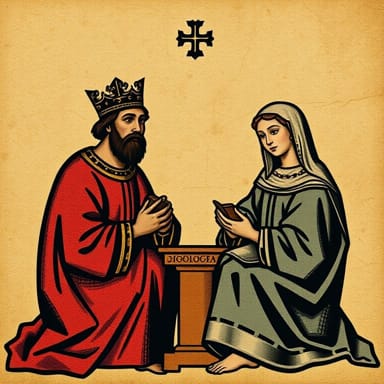
The period spanning from the Renaissance to the Jacobean Age represents a fascinating evolution in English history, culture, literature, and society. This era witnessed profound transformations that shaped the intellectual and artistic landscape of England. The Renaissance, rooted in the revival of classical learning and humanism, gradually gave way to the Jacobean Age, marked by political shifts, religious tensions, and a flourishing of dramatic arts. Exploring this transition reveals how changing ideas, social structures, and creative expressions intertwined to influence English identity and thought.
The Renaissance: Revival and Rebirth
The Renaissance, meaning rebirth, began in Italy in the 14th century and gradually spread to England by the late 15th and early 16th centuries. It was characterized by a renewed interest in classical Greek and Roman culture, art, literature, and philosophy. This revival of ancient knowledge encouraged critical thinking, scientific inquiry, and human-centered perspectives, known as humanism.
In England, the Renaissance was closely linked to the Tudor dynasty, particularly under the reign of Henry VIII and Elizabeth I. The introduction of the printing press and the translation of classical texts made knowledge more accessible, fueling educational reforms and the rise of a literate middle class. Writers and thinkers like Sir Thomas More and Sir Philip Sidney exemplified Renaissance ideals, emphasizing reason, ethics, and the potential of individuals.
Artistic and Literary Achievements
During the Renaissance, English literature experienced a remarkable flowering. Poetry and drama evolved as key genres. The works of William Shakespeare, Christopher Marlowe, and Edmund Spenser emerged during this time, blending classical themes with contemporary issues. Shakespeare’s plays, in particular, explored complex human emotions and social dynamics, reflecting the Renaissance spirit of inquiry and exploration.
Visual arts also flourished, though not as prominently as in Italy. Portraiture and religious art gained popularity, highlighting both personal identity and spiritual themes. Architecture incorporated classical elements like columns and symmetry, visible in grand Tudor buildings and churches.
Transitioning to the Jacobean Age
The Jacobean Age, named after King James I who ascended the English throne in 1603, followed the Elizabethan period and extended roughly until 1625. This era maintained many Renaissance influences but also introduced new complexities due to political, religious, and cultural changes. The union of the English and Scottish crowns under James I created a new political landscape, and his reign was marked by efforts to consolidate power and address religious divisions.
Religious tensions grew during this period, especially between Protestants and Catholics, and within Protestantism itself. The Gunpowder Plot of 1605, an attempted assassination of the king by Catholic conspirators, heightened fears and led to increased surveillance and repression. These conflicts influenced literary themes, often centering on power, loyalty, and betrayal.
Literature and Drama in the Jacobean Age
Jacobean literature is known for its darker, more complex tone compared to the optimism of the Renaissance. Drama became more psychologically intense, with playwrights like John Webster, Ben Jonson, and Thomas Middleton creating works that explored human cruelty, corruption, and moral ambiguity. Tragedies such as Webster’s ‘The Duchess of Malfi’ exemplify the period’s fascination with intrigue and the darker side of human nature.
Poetry also evolved, with metaphysical poets such as John Donne blending intellectual rigor with emotional depth. Their use of elaborate metaphors and paradoxes mirrored the era’s philosophical questioning and exploration of spirituality and love.
Social and Political Context
Understanding the transition from the Renaissance to the Jacobean Age requires consideration of broader social and political contexts. The Renaissance emphasis on individualism and classical knowledge continued to influence education and governance. However, James I’s reign brought about concerns over absolute monarchy and divine right, challenging earlier notions of governance.
Colonial expansion began during this time, with England establishing early overseas ventures. This expanded worldview brought new economic opportunities but also introduced tensions regarding religion, race, and cultural identity. Social hierarchies remained rigid, but the growth of commerce and towns started to shift traditional structures.
Science and Philosophy
The Renaissance spirit of inquiry persisted into the Jacobean Age, as scientific discoveries and philosophical debates advanced. Figures such as Francis Bacon advocated for empirical methods and the scientific method, laying foundations for the Enlightenment. The tension between faith and reason continued, influencing both intellectual discourse and literary expression.
Key Differences Between the Renaissance and Jacobean Eras
- Tone and Themes: The Renaissance was optimistic, focusing on human potential and harmony; the Jacobean Age often portrayed a darker, more cynical view of humanity.
- Political Climate: Renaissance England was dominated by Tudor monarchs; Jacobean England faced new challenges under the Stuarts with increased religious and political unrest.
- Literary Styles: Renaissance literature emphasized classical ideals and balanced forms, while Jacobean works embraced complexity, psychological depth, and sometimes brutal realism.
- Religious Influence: The Renaissance involved religious reform and exploration, while the Jacobean period dealt with sectarian conflict and the consequences of religious extremism.
- Scientific Progress: Both eras valued knowledge, but the Jacobean Age advanced empirical science more formally, moving toward modern scientific inquiry.
The journey from the Renaissance to the Jacobean Age reflects a period of rich cultural, intellectual, and political change in England. While rooted in the revival of classical knowledge and humanism, the Renaissance gave way to the more complex and sometimes darker Jacobean period, where questions of power, faith, and human nature came to the forefront. This era’s literature, art, and philosophy continue to captivate modern audiences, illustrating how the interplay between optimism and skepticism shaped the course of English history. Understanding this transition is essential to grasp the evolution of Western thought and culture during one of its most formative epochs.