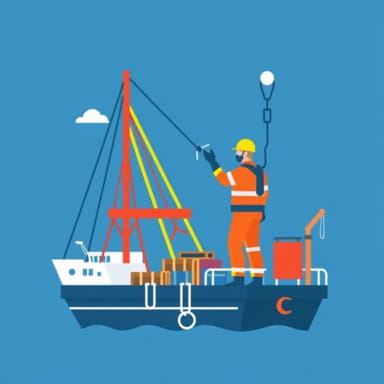
Singapore continues to thrive as a global hub for construction, marine, and oil and gas industries, creating steady demand for skilled workers like riggers and signalmen. These professionals play a critical role in lifting operations, ensuring safety and coordination when handling heavy loads. As infrastructure projects, port developments, and offshore installations progress, the need for certified and competent riggers and signalmen in Singapore remains high, making these positions attractive to both local workers and foreign talents seeking opportunities in this sector.
Understanding the Role of a Rigger Signalman
What Does a Rigger Do?
A rigger is responsible for preparing and securing loads to be lifted by cranes or other hoisting equipment. They assess the load’s weight, determine the best lifting method, select the appropriate rigging gear, and ensure the safe movement of materials. Riggers must possess strong knowledge of slings, shackles, chains, and load dynamics, and must adhere to safety regulations at all times.
What Does a Signalman Do?
The signalman works closely with crane operators and riggers, acting as the eyes and ears of the lifting operation. They communicate directions using standardized hand signals or communication devices, especially when the operator does not have a clear view of the load. Signalmen ensure precise, coordinated movements to avoid accidents and protect surrounding workers and structures.
Job Opportunities in Singapore
Industries Hiring Rigger Signalman Professionals
Several key sectors in Singapore actively hire riggers and signalmen. These include:
- Construction: Large-scale building projects, including commercial towers, MRT stations, and residential developments.
- Shipbuilding and Marine: Shipyards require riggers for vessel assembly and component placement.
- Oil and Gas: Offshore platforms and petrochemical sites rely on safe lifting operations for equipment installation and maintenance.
- Logistics and Warehousing: Moving oversized or heavy cargo in warehouses and ports.
Top Employers and Contractors
Many leading contractors and engineering firms in Singapore, such as Sembcorp Marine, Jurong Engineering, and Hyundai Engineering, regularly recruit experienced riggers and signalmen. Manpower agencies also facilitate placements in both short-term and long-term contracts depending on project needs.
Requirements and Qualifications
Training and Certification
To work as a rigger or signalman in Singapore, candidates must possess relevant certifications issued by accredited training centers approved by the Ministry of Manpower (MOM). Mandatory certifications include:
- Basic Rigger and Signalman Course: A foundational course that covers lifting safety, communication signals, equipment handling, and load calculations.
- Work at Height Certification: Required for those working in elevated areas or platforms.
- WSQ Certificates: Workforce Skills Qualifications in lifting operations, endorsed by SkillsFuture Singapore.
Foreign workers must also pass theOverseas Skills Certification(OSC) or equivalent assessments before being allowed to work legally in these roles in Singapore.
Skills and Experience
Employers typically look for candidates with the following skills:
- Understanding of lifting plans and load charts
- Knowledge of rigging hardware and safe practices
- Strong communication and coordination skills
- Ability to interpret hand signals and communicate under pressure
- Physical fitness and safety awareness
While fresh graduates can enter the field through training, experienced workers are often preferred, especially for high-risk or offshore assignments.
Salary and Working Conditions
Expected Salary Range
Salaries for rigger signalman jobs in Singapore vary depending on experience, project complexity, and location. On average:
- Entry-Level Rigger/Signalman: SGD 1,800 – SGD 2,500 per month
- Experienced Workers: SGD 2,500 – SGD 3,800 per month
- Overtime and Site Allowances: Can increase monthly earnings significantly
Additional benefits may include housing, meals, transportation, and performance bonuses depending on the employer and employment contract.
Working Hours and Conditions
Riggers and signalmen usually work long hours, especially in construction and shipyard environments. Shifts can last up to 12 hours and may include weekends or night shifts during critical project phases. The work is physically demanding and conducted in outdoor or semi-covered areas, often under challenging weather conditions. Safety protocols and personal protective equipment (PPE) are strictly enforced.
Career Advancement
Pathways for Growth
There are ample opportunities for career growth in this field. With experience and further training, a rigger or signalman can move into higher roles such as:
- Lifting Supervisor
- Crane Operator
- Safety Coordinator
- Project Site Supervisor
Advanced certifications in lifting operations supervision or specialized crane operation can enhance a worker’s employability and earning potential.
Transferable Skills
The skills acquired in rigging and signaling are highly transferable and valued in other regions such as the Middle East, Australia, and parts of Southeast Asia. Workers who gain extensive experience in Singapore can explore international job opportunities or become certified trainers themselves.
How to Apply for Rigger Signalman Jobs in Singapore
Job Portals and Recruitment Agencies
Prospective job seekers can explore employment opportunities through various channels, including:
- Local and international recruitment agencies
- Job portals such as JobsDB, JobStreet, and Indeed Singapore
- Company websites of construction and engineering firms
- Walk-in interviews and job fairs organized by MOM or industry partners
Preparing for Employment
Before applying, candidates should ensure the following:
- Up-to-date resume highlighting relevant experience
- Valid certifications and training records
- Passport and work permit eligibility (for foreign applicants)
- Willingness to relocate and work in dynamic site environments
Rigger signalman jobs in Singapore present rewarding opportunities for skilled individuals passionate about heavy equipment, safety, and teamwork. These roles are vital in ensuring the efficiency and safety of lifting operations across multiple industries. With proper certification, hands-on experience, and a strong work ethic, candidates can build a stable and progressive career in this field, both in Singapore and internationally.