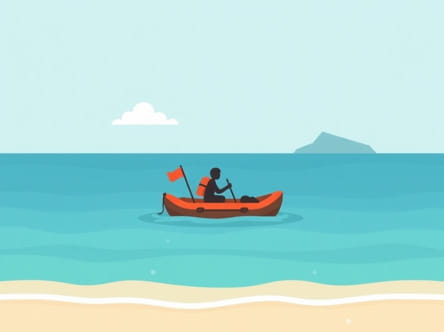
Floating alone on an endless ocean with nothing but a few planks of wood and a hook, Raft Survival: Ocean Nomad throws players into a tense survival experience where crafting, resource management, and exploration are key. The goal is simple: survive. But in practice, this mobile survival game challenges you with dangerous sharks, harsh weather, and the constant threat of starvation. Whether you’re new to the genre or a seasoned survivor, learning how to thrive in Ocean Nomad takes time and strategy. This guide covers essential mechanics, resource gathering, base building, and survival tips to help you become a true ocean nomad.
Understanding the Core Gameplay
Starting Out on Your Raft
At the beginning of the game, you wake up on a small wooden raft floating in the vast ocean. Equipped with a simple hook, your first objective is to gather floating debris. These materials are your lifeline, providing the resources needed to expand your raft, build tools, and eventually craft complex machines.
- Use your hook to collect planks, plastic, and leaves.
- Prioritize making a hammer and a water purifier.
- Keep an eye on your hunger and thirst meters.
As your raft grows, you’ll unlock new blueprints and be able to craft more advanced items, but the early game is all about survival and simple expansion.
Survival Priorities
There are three critical survival stats: health, hunger, and thirst. If hunger or thirst reach zero, your health will quickly deteriorate. You must stay ahead by securing food and water early in the game.
- Thirst: Craft a water purifier and a cup. Boil saltwater to make it drinkable.
- Hunger: Craft a fishing rod and grill to cook fish. You can also gather fruits from islands.
- Health: Keep hunger and thirst high, and avoid shark attacks or falling into the ocean.
Crafting and Raft Expansion
Using the Crafting Menu
The crafting system is central to your progress. From basic tools like spears and fishing rods to advanced structures like engines and navigation tools, crafting enables survival and exploration.
Key items to craft early:
- Wooden spear – to defend against sharks.
- Fishing rod – for a stable food source.
- Water purifier – essential for hydration.
- Building hammer – allows raft expansion and placing new structures.
Expanding Your Floating Base
Your raft starts small, but as you gather materials, expanding becomes essential. Build foundation tiles to increase your space, and then add walls, stairs, and even multiple levels.
- Use nets to automatically collect drifting debris.
- Place storage chests to manage your items efficiently.
- Add walls and roofs for shelter and future upgrades.
Strategic raft design helps with organization and protection. Keeping important equipment away from the raft’s edge protects it from sharks.
Dealing with the Shark Threat
The Persistent Predator
One of the most persistent dangers in Raft Survival: Ocean Nomad is the shark. This creature will periodically attack your raft, biting off foundation pieces and damaging structures. If you’re swimming, it will also attack you.
How to handle sharks:
- Craft a spear early to defend the raft.
- Attack the shark when it bites the raft to drive it away.
- If killed, the shark drops meat and a trophy head.
Sharks respawn after a few minutes, so protection must be ongoing. Over time, you can craft better weapons to deal with them more efficiently.
Island Exploration
Finding and Docking at Islands
Islands are scattered throughout the ocean and can provide valuable resources like fruits, flowers, ores, and seeds. To dock at an island, use an anchor and steer your raft near the shore.
Useful items found on islands:
- Pineapples and watermelons – great food and hydration sources.
- Flowers – for dyes and cosmetic items.
- Wood and palm leaves – harvested from trees using an axe.
- Ores and clay – found underwater near island edges.
Underwater Gathering
Swimming below the surface near islands gives access to sand, clay, scrap metal, and metal ores. Equip flippers and oxygen bottles for longer dives. Watch out for the shark, or wait until you’ve killed it for safer gathering time.
Progression and Advanced Tools
Research Table and Blueprints
The research table unlocks higher-level crafting recipes. Combine base materials to learn new items, then craft them with advanced resources. Many blueprints are also found in barrels or from island chests.
Important upgrades include:
- Smelter – for refining ore into metal ingots.
- Cooking pot – for combining ingredients into better meals.
- Advanced purifier – converts water more efficiently.
- Receiver and antennas – used for finding story locations and progression.
Managing Storage and Inventory
As your supplies grow, organizing inventory becomes important. Build multiple storage chests and label them by category if possible. Keep essentials like food, tools, and building materials nearby for quick access.
Tips for Long-Term Survival
Automation and Efficiency
As you progress, automation becomes key. Nets help with resource collection, advanced purifiers save time, and crop plots provide renewable food. Keeping things organized and efficient will reduce daily micro-management.
Tips to thrive:
- Plant trees and vegetables on your raft.
- Use sprinklers to water crops automatically.
- Craft a biofuel generator to power advanced equipment.
- Focus on sustainable systems rather than always gathering manually.
Story Mode and Exploration Goals
Raft Survival: Ocean Nomad includes a light narrative and set locations that advance the game’s plot. Using the receiver and antennas, you can find radio signals leading to mysterious structures and story points.
These story islands provide lore, rare resources, and blueprints. To reach them, you’ll need to craft a steering wheel and engine for your raft. Once equipped, navigation becomes more directed and goal-oriented.
Raft Survival: Ocean Nomad blends classic survival mechanics with the unique challenge of staying alive at sea. The constant need for water, food, and shelter forces players to prioritize intelligently, while the looming threat of shark attacks adds tension. Islands offer occasional respite and resources, but the ocean is where most of the action happens. As you build your floating base, gather supplies, and uncover the game’s mysteries, you’ll gradually shift from struggling castaway to master ocean nomad. Whether playing casually or with long-term goals, mastering this mobile survival experience is deeply rewarding and endlessly engaging.