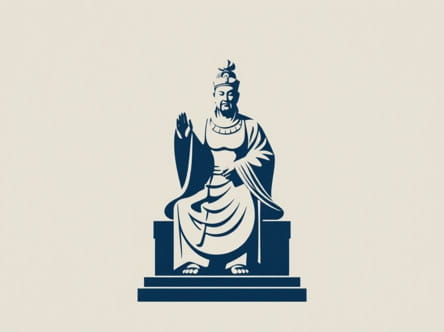
In the heart of Seoul, South Korea, stands an iconic monument that embodies the legacy of one of the most influential figures in Korean history King Sejong the Great. The Statue of King Sejong is more than just a tourist attraction; it represents Korea’s rich cultural and intellectual heritage, highlighting the achievements of a monarch whose reign ushered in a golden age of learning, science, and innovation. Visitors from around the world come to marvel not only at the grandeur of the statue but also at the deeper meaning behind its existence.
Historical Context of King Sejong
The Joseon Dynasty and Enlightened Rule
King Sejong ruled during the early 15th century, from 1418 to 1450, under the Joseon Dynasty. He is best remembered for his efforts to empower the Korean people through education, technology, and governance reform. His reign marked a period of significant advancement in literature, science, and social policy, distinguishing him as one of Korea’s most revered rulers.
Unlike many monarchs of his time, King Sejong emphasized practical governance rooted in Confucian principles. He believed that wisdom and virtue should guide the state and that education should be accessible to all, not just the elite.
The Creation and Symbolism of the Statue
Location and Structure
The Statue of King Sejong is located in Gwanghwamun Plaza, an area in central Seoul that connects the historical Gyeongbokgung Palace with modern government buildings. This setting bridges the past and present, symbolizing King Sejong’s enduring influence on Korean identity and modern statehood.
The statue, unveiled in 2009, is made of bronze and stands approximately 6.2 meters tall. King Sejong is seated on a throne, holding a book that represents his contributions to literacy and education. His calm expression and open palms convey wisdom and benevolence, traits for which he is widely remembered.
Design Features
- Book in Hand: Represents the creation of Hangul, the Korean script.
- Celestial Globe: Symbolizes King Sejong’s contributions to astronomy and science.
- Throne: Designed with intricate patterns and symbols, emphasizing the grandeur of his rule.
King Sejong’s Major Contributions
Invention of Hangul
One of King Sejong’s most revolutionary achievements was the creation of Hangul, the Korean writing system. Before Hangul, Koreans used Classical Chinese, which was difficult for commoners to learn. Recognizing this barrier, King Sejong developed a simple, phonetic script that allowed the Korean people to read and write their language for the first time.
The invention of Hangul not only improved literacy rates but also fostered a stronger national identity. Today, Hangul is celebrated as one of the most scientific and efficient writing systems in the world, thanks to its logical structure and ease of learning.
Scientific Advancements
King Sejong also made significant strides in science and technology. Under his reign, Korean scholars developed various astronomical instruments such as water clocks, sundials, and celestial globes. These innovations were used to improve calendars and timekeeping, which were essential for agriculture and governance.
He also supported the development of rain gauges and agricultural manuals to help farmers increase productivity and understand weather patterns. This hands-on approach to scientific advancement showcased his dedication to improving everyday life for his people.
Legal and Social Reforms
King Sejong’s leadership extended into law and social structure. He enacted a series of legal reforms aimed at protecting the rights of the underprivileged. For instance, he implemented policies that reduced the tax burden on farmers and gave voice to commoners in legal disputes.
He also supported the development of music, literature, and historical records, ensuring that Korea’s cultural achievements would be preserved for future generations.
Educational Legacy
Institutional Support for Learning
King Sejong founded institutions such as the Hall of Worthies (Jiphyeonjeon), where scholars gathered to work on literary and scientific projects. This institution played a central role in the development of Hangul and various encyclopedic works that compiled agricultural knowledge, medicine, and law.
These efforts made knowledge more accessible and ensured that the kingdom’s administration was informed by research and reason rather than superstition or tradition alone.
Modern Influence
Today, King Sejong’s impact is evident across many aspects of Korean society. Educational institutions, awards, research centers, and even the South Korean currency honor his name. The Sejong Institute and the Sejong Cultural Center are just a few modern establishments inspired by his legacy.
The Statue as a Cultural Touchstone
A Place of Reflection and National Pride
The Statue of King Sejong serves not only as a memorial to a beloved ruler but also as a source of national pride. Visitors to the plaza often take time to reflect on Korea’s journey from a historically oppressed nation to a modern global power. The statue is surrounded by exhibits and inscriptions detailing Sejong’s achievements, allowing people to engage with history in a tangible and meaningful way.
The site has become a popular destination for tourists, students, and citizens alike, symbolizing the collective memory and aspirations of the Korean people.
Educational and Cultural Programs
The area surrounding the statue often hosts events, lectures, and educational tours. These programs help deepen public understanding of King Sejong’s legacy and ensure that his contributions are not forgotten by future generations. Through interactive displays and digital installations, even children can learn about the significance of the monarch’s work.
The Statue of King Sejong stands as a powerful reminder of what enlightened leadership can achieve. Through literacy, science, social reform, and cultural preservation, King Sejong transformed Korean society and laid the foundation for a more equitable and advanced nation. His statue in the heart of Seoul not only honors a king but also celebrates the values of knowledge, justice, and national pride that continue to inspire South Korea today. For anyone visiting Seoul, standing before the Statue of King Sejong is more than a photo opportunity it’s a journey into the heart of Korea’s identity and enduring spirit.