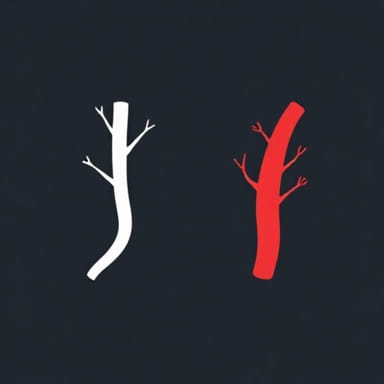
The human circulatory system is a complex network of blood vessels designed to transport blood, oxygen, nutrients, and waste products throughout the body. Central to this system are three main types of blood vessels veins, arteries, and capillaries. Each vessel type has unique structures, functions, and roles in maintaining overall health. Understanding the differences and interactions between veins, arteries, and capillaries is essential for grasping how the circulatory system works, how blood pressure is regulated, and how various diseases affect cardiovascular health.
Arteries Structure and Function
Arteries are blood vessels that carry oxygenated blood away from the heart to the tissues of the body. The only exception is the pulmonary artery, which carries deoxygenated blood from the heart to the lungs for oxygenation. Arteries have thick, muscular, and elastic walls that allow them to withstand and regulate high-pressure blood flow generated by the heart’s pumping action. Their elasticity helps maintain continuous blood flow even when the heart is between beats.
Key Features of Arteries
- Thick wallsComposed of three layers the tunica intima, tunica media, and tunica externa, providing strength and flexibility.
- High pressureArteries endure the highest blood pressure compared to veins and capillaries.
- Pulsatile flowBlood in arteries moves in pulses corresponding to the heartbeat.
- No valvesExcept for small exceptions, arteries do not contain valves because the high pressure prevents backflow.
Functions of Arteries
Arteries are essential for delivering oxygen-rich blood and nutrients to tissues, supporting metabolic activities, and removing carbon dioxide indirectly by supplying blood to organs that facilitate gas exchange. They also help regulate blood pressure through vasoconstriction and vasodilation, processes controlled by the autonomic nervous system and chemical signals.
Veins Structure and Function
Veins are blood vessels that return deoxygenated blood from the tissues back to the heart. The pulmonary veins are the exception, carrying oxygenated blood from the lungs to the heart. Veins have thinner walls than arteries and contain valves that prevent the backflow of blood, ensuring it moves in one direction toward the heart. Because venous blood is under lower pressure, veins rely on the surrounding skeletal muscles and valves to assist in blood flow, especially in the lower extremities.
Key Features of Veins
- Thinner wallsLess muscular and elastic compared to arteries.
- ValvesPrevent backflow and promote unidirectional blood movement.
- Lower pressureBlood in veins flows under lower pressure than in arteries.
- Capacitance vesselsVeins can expand to accommodate varying blood volumes.
Functions of Veins
Veins play a critical role in returning deoxygenated blood and metabolic waste products to the heart. They also act as a reservoir for blood, regulating venous return and overall blood volume. Venous valves and muscle contractions help counteract gravity, particularly in the legs, to maintain efficient circulation.
Capillaries Structure and Function
Capillaries are the smallest and most numerous blood vessels in the body, connecting arteries and veins. Their thin walls, consisting of a single layer of endothelial cells, allow for efficient exchange of gases, nutrients, and waste products between blood and tissues. Capillaries are the primary site for oxygen delivery, carbon dioxide removal, and the transfer of nutrients such as glucose and amino acids.
Key Features of Capillaries
- Extremely thin wallsSingle-layered endothelial cells facilitate rapid diffusion.
- Small diameterOften just wide enough for red blood cells to pass in single file.
- Extensive networkCapillaries form dense networks in tissues requiring high metabolic support.
- No valvesCapillaries rely on blood pressure gradients for flow direction.
Functions of Capillaries
Capillaries serve as the interface for exchange between blood and tissues. Oxygen diffuses from the blood into cells, while carbon dioxide moves from cells into the blood for removal. Nutrients and waste products are also exchanged at this level, supporting cellular metabolism. Capillaries regulate tissue perfusion through pre-capillary sphincters, controlling which areas receive blood based on immediate metabolic needs.
Comparative Differences Between Arteries, Veins, and Capillaries
Although all three types of blood vessels are interconnected and essential for circulation, they differ in structure, function, and physiological properties.
Structural Differences
- Arteries Thick muscular and elastic walls to withstand high pressure.
- Veins Thinner walls with valves to assist low-pressure blood return.
- Capillaries One-cell-thick walls optimized for exchange of gases and nutrients.
Functional Differences
- Arteries Transport oxygenated blood away from the heart, maintain high pressure.
- Veins Return deoxygenated blood to the heart, serve as blood reservoirs.
- Capillaries Facilitate the exchange of gases, nutrients, and waste products between blood and tissues.
Flow Characteristics
- Arteries Pulsatile flow synchronized with the heartbeat.
- Veins Steady flow assisted by skeletal muscle contraction and valves.
- Capillaries Slow flow to maximize exchange efficiency.
Clinical Significance
Understanding the differences between arteries, veins, and capillaries is crucial in medical practice. Arterial problems such as atherosclerosis can reduce oxygen delivery and increase the risk of heart attacks or strokes. Venous disorders, including varicose veins and deep vein thrombosis, can lead to swelling, pain, and life-threatening embolisms. Capillary dysfunction can impair tissue perfusion, as seen in diabetic microangiopathy or sepsis, leading to organ damage.
Medical Procedures and Interventions
Many medical interventions target specific vessel types
- Arterial Angioplasty, stent placement, or bypass surgery to restore blood flow.
- Venous Compression therapy, vein stripping, or endovenous laser treatment for varicose veins.
- Capillary Treatments focus on improving microcirculation through medications or managing underlying conditions like diabetes.
Arteries, veins, and capillaries are integral components of the circulatory system, each serving unique and complementary roles. Arteries carry oxygenated blood under high pressure, veins return blood to the heart under low pressure with the help of valves, and capillaries enable essential exchange of gases and nutrients at the cellular level. Understanding the structural and functional differences among these vessels provides insight into how blood circulates, how diseases affect vascular health, and how medical interventions can restore or support circulation. Maintaining healthy arteries, veins, and capillaries is crucial for overall cardiovascular well-being and the proper functioning of the entire body.