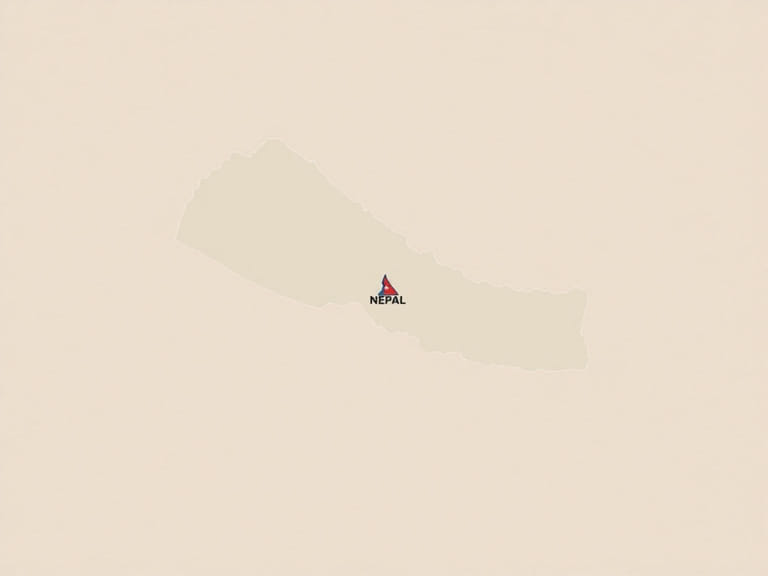
Nepal is a landlocked country located in South Asia, bordered by China to the north and India to the south, east, and west. Known for its majestic Himalayas, including Mount Everest, Nepal is rich in natural beauty and cultural heritage. The country has undergone significant political and administrative changes over the years, especially with the restructuring into seven provinces. Understanding the Nepal map with provinces is essential for grasping the administrative layout, regional development, and local governance in the nation.
Overview of Nepal’s Provincial Structure
In 2015, Nepal adopted a new constitution that reorganized the country into a federal democratic republic. This major shift led to the division of the nation into seven provinces. Each province has its own provincial government and is further divided into districts, municipalities, and rural municipalities. The main goal of this division is to promote decentralization, improve governance, and ensure equal development across all regions.
The Seven Provinces of Nepal
Here is a breakdown of the seven provinces in Nepal, each with its own distinct geographic, cultural, and economic features
- Province No. 1
- Madhesh Province
- Bagmati Province
- Gandaki Province
- Lumbini Province
- Karnali Province
- Sudurpashchim Province
Although most provinces were initially referred to by numbers, some have adopted official names based on cultural or historical significance. Let’s explore each province in more detail.
Province No. 1
Province No. 1 is located in the eastern part of Nepal. It is home to some of the country’s highest mountains, including Mount Kanchenjunga, the third-highest peak in the world. The province includes a mix of Himalayan, hilly, and Terai regions, making it diverse in both geography and culture.
- CapitalBiratnagar
- Key DistrictsIlam, Jhapa, Morang, Taplejung
- Notable FeaturesTea gardens, mountain tourism, and ethnic diversity
Madhesh Province
Madhesh Province lies in the southeastern part of Nepal and shares a long border with India. It is predominantly located in the Terai, the flat plains of Nepal, and is known for its fertile agricultural land and vibrant Maithili and Bhojpuri cultures.
- CapitalJanakpur
- Key DistrictsSaptari, Siraha, Dhanusha, Bara
- Notable FeaturesRich cultural festivals, farming, and cross-border trade
Bagmati Province
Bagmati Province is situated in central Nepal and includes the Kathmandu Valley, which houses the nation’s capital, Kathmandu. It is the most economically developed and urbanized province, serving as the administrative, cultural, and business hub of the country.
- CapitalHetauda
- Major CitiesKathmandu, Lalitpur, Bhaktapur
- Key DistrictsSindhupalchok, Kavrepalanchok, Dhading
- Notable FeaturesUNESCO heritage sites, government institutions, and tourism
Gandaki Province
Gandaki Province is located in the central part of Nepal and is famous for its stunning mountain views and tourist destinations like Pokhara. The province combines natural beauty with cultural richness, attracting both local and international visitors.
- CapitalPokhara
- Key DistrictsKaski, Gorkha, Lamjung, Syangja
- Notable FeaturesLakes, Annapurna trekking route, Gurung and Magar communities
Lumbini Province
Lumbini Province lies in the western Terai and hill region and is historically significant as the birthplace of Gautama Buddha. It is a major religious pilgrimage site and has been developing rapidly in terms of agriculture and infrastructure.
- CapitalDeukhuri (Dang)
- Key DistrictsRupandehi, Kapilvastu, Nawalparasi, Palpa
- Notable FeaturesBuddhist sites, fertile plains, growing industrial zones
Karnali Province
Karnali Province is Nepal’s largest province by area but has one of the smallest populations. It is located in the northwestern part of the country and includes some of the most remote and underdeveloped regions. Despite its challenges, Karnali has immense natural beauty and resources.
- CapitalBirendranagar (Surkhet)
- Key DistrictsJumla, Humla, Kalikot, Mugu
- Notable FeaturesMountains, rivers, medicinal herbs, and ethnic diversity
Sudurpashchim Province
Sudurpashchim Province is located in the far-western region of Nepal. It is known for its strong traditional culture, beautiful landscapes, and rich biodiversity. Though it has lagged behind in infrastructure, development projects are currently expanding throughout the region.
- CapitalGodawari (Kailali)
- Key DistrictsDoti, Baitadi, Kailali, Kanchanpur
- Notable FeaturesForests, temples, and traditional music and dance
Importance of the Provincial Map of Nepal
The map of Nepal with provinces helps in understanding the country’s administrative organization and regional development. It is a useful tool for government planning, resource distribution, education, and tourism. Each province has its own identity, and the map reflects how these different regions contribute to the nation’s unity and diversity.
For travelers, the provincial map is a guide to exploring various attractions from the snow-covered peaks of Province No. 1 to the historical and spiritual landmarks of Lumbini and the adventure-packed valleys of Gandaki. For researchers and policymakers, the map is essential for analyzing demographic trends, environmental patterns, and regional challenges.
Challenges and Development Across Provinces
Despite the benefits of provincial division, Nepal faces challenges such as uneven development, lack of infrastructure in remote areas, and political disagreements over resource sharing. Provinces like Karnali and Sudurpashchim often struggle with limited access to health care, education, and transportation.
On the other hand, provinces such as Bagmati and Gandaki are progressing quickly due to better connectivity and investment. The provincial system has opened the door for more localized governance and policy-making, which, if managed well, can lead to balanced development in the long term.
The Nepal map with province divisions is more than a political boundary it is a reflection of the nation’s federal spirit and regional diversity. From the cultural plains of Madhesh to the majestic mountains of Province No. 1, each province plays a vital role in shaping Nepal’s identity. Understanding this structure is key for anyone interested in Nepal’s geography, politics, and development. With continued efforts in planning and cooperation, the provincial system has the potential to bring sustainable growth and unity to the Himalayan nation.