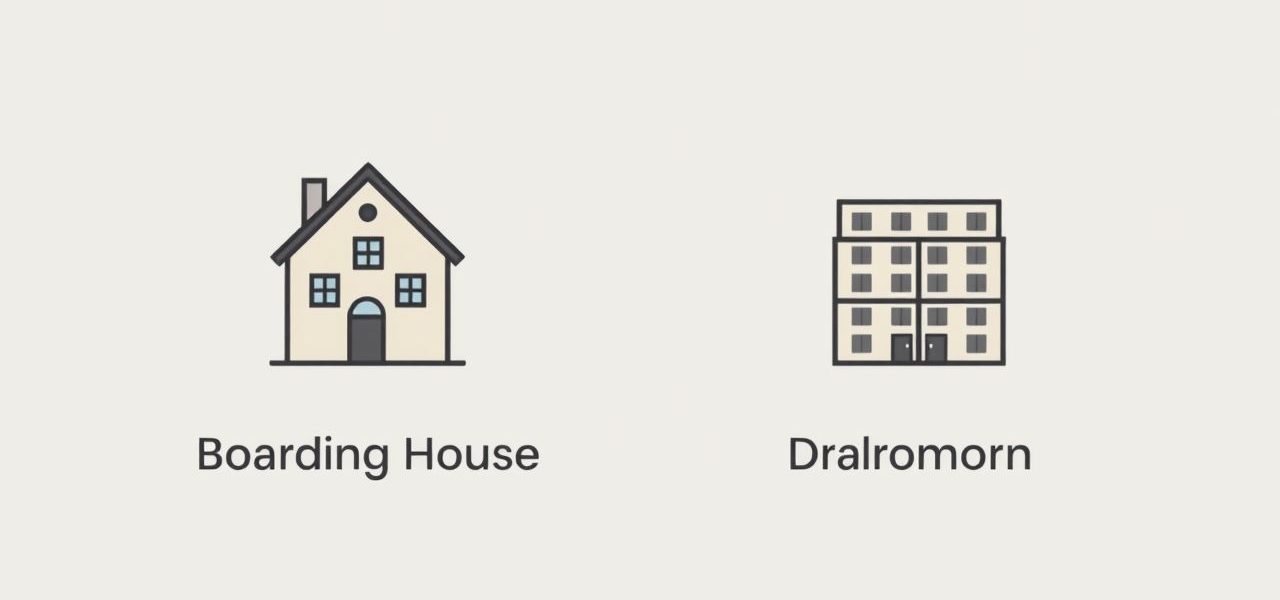
Choosing where to live during your college or university years is an important decision that can greatly affect your lifestyle, budget, and academic success. Among the most common options for students are boarding houses and dormitories. While both offer a place to stay, they differ in terms of environment, facilities, privacy, and rules. Understanding the key differences between a boarding house and a dorm can help students and parents make the best choice depending on personal preferences, academic goals, and financial considerations.
Understanding Boarding Houses
A boarding house is a private residence where rooms are rented out to individuals, usually students or workers. In many cases, the landlord or caretaker also lives on the premises and may provide meals or basic housekeeping services. Boarding houses are often found near schools or universities and are a popular option for students who prefer a quieter, more independent living environment.
Features of a Boarding House
- Private or semi-private roomsMost boarding houses offer single rooms, though some may have shared rooms.
- Shared facilitiesTenants typically share a kitchen, bathroom, and living area with other residents.
- House rulesEach boarding house has its own set of rules regarding guests, noise, and cleanliness, usually set by the owner.
- More independenceResidents often enjoy greater freedom and less supervision compared to dormitories.
Advantages of a Boarding House
Living in a boarding house offers several benefits for students seeking more independence. These include
- Greater privacy and personal space
- Less noise and fewer distractions compared to dorm life
- Opportunity to live off-campus and explore the local area
- Flexible lifestyle and fewer social obligations
Boarding houses are particularly well-suited to older students, international students, or anyone who wants a quieter, more homely environment while studying.
Disadvantages of a Boarding House
However, boarding houses also have their downsides
- Limited social interaction with other students
- Less involvement in campus activities
- Varied quality depending on the landlord
- Inconsistent internet or facilities if not well-managed
Choosing the right boarding house requires careful research and sometimes visiting in person to ensure it meets your expectations.
What Is a Dormitory?
A dormitory, commonly called a dorm, is student housing provided by educational institutions, often located on or near campus. Dorms are designed to accommodate large numbers of students and are usually managed by university housing departments. They promote social interaction, academic collaboration, and easy access to campus resources.
Features of a Dormitory
- Shared living spacesDorm rooms are typically shared between two or more students.
- Common facilitiesBathrooms, kitchens, and study areas are communal.
- Structured environmentDorms usually have curfews, resident assistants (RAs), and campus policies.
- Student-focused settingDorms are designed to support academic life and student engagement.
Advantages of Dorm Living
Many students find dorms to be a central part of their college experience. Benefits include
- Easy access to classes, libraries, and campus events
- Opportunities to meet and bond with other students
- Organized social and academic support through resident programs
- Included utilities and maintenance in housing fees
Dorms are ideal for first-year students or those who thrive in social and structured environments.
Disadvantages of Dorm Life
Despite the advantages, dormitories can pose some challenges
- Lack of privacy due to shared rooms and bathrooms
- Noise and distractions from other students
- Strict rules and limited personal freedom
- Limited space for personal belongings or studying
Students who value quiet time, personal space, or independent living may find dorm life less appealing over time.
Cost Comparison Boarding House vs Dorm
One major factor that influences housing choice is the cost. Dorm fees are typically charged per semester or academic year and include utilities, internet, and basic furnishings. Some dorms may include meal plans as part of the cost.
Boarding houses vary in price depending on location, size, and amenities. Rent may be paid monthly and can sometimes be lower than dorm fees. However, students might need to budget separately for meals, laundry, and internet. Here’s a quick comparison
- DormitoryHigher fixed cost, but includes campus convenience and some meal plans
- Boarding HouseVariable cost, with more flexibility in budgeting
When calculating expenses, students should consider both upfront costs and daily living expenses to determine the best fit for their financial situation.
Independence vs Community Living
The boarding house vs dorm debate also comes down to lifestyle preference. Dorms provide a vibrant, social environment where students can make friends and engage in group activities. They are ideal for those who want to be surrounded by peers and enjoy the full campus experience.
Boarding houses, on the other hand, offer a quieter and more independent way of living. They are better for students who want to focus on their studies without the distractions of communal living or for those who prefer managing their own routines.
Personality and Preferences Matter
Some questions to help decide
- Do you prefer structure or freedom in your daily life?
- Are you comfortable sharing space with others?
- Do you want to be actively involved in campus life?
- Do you value privacy and quiet study time?
There is no one-size-fits-all answer. Your choice should reflect your personal needs, comfort level, and academic priorities.
Other Factors to Consider
Aside from cost and lifestyle, consider the following when choosing between a dorm and boarding house
- LocationHow close is the housing to your school or campus?
- SecurityAre safety measures in place, such as security guards or locked entry points?
- Cleanliness and maintenanceWho is responsible for cleaning common areas?
- Internet and utilitiesAre these services reliable and included in the cost?
- Access to foodIs there a kitchen or nearby dining option?
Visiting the accommodation before moving in or speaking with current residents can give valuable insight into the day-to-day experience.
Making the Right Housing Choice
Deciding between a boarding house and a dorm is a personal decision that depends on lifestyle, personality, academic goals, and budget. Dormitories offer structured, social living close to campus, while boarding houses provide more independence and privacy. Both options have their own set of advantages and challenges, and understanding these differences is essential for making a choice that supports your success and well-being as a student. Take the time to weigh your priorities, visit potential housing options, and choose the living environment that feels right for you.