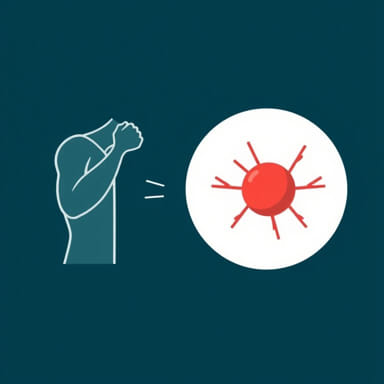
Muscle spasm and capsular contracture are two conditions that can cause discomfort, pain, and physical limitations, but they originate from very different causes and require distinct approaches to treatment. Many people may confuse them because both can affect movement and cause tightness, especially in areas where muscles and tissues have been under stress or have undergone surgery. Understanding the differences between muscle spasms and capsular contracture is important for identifying symptoms early, seeking proper treatment, and preventing complications in the future.
Understanding Muscle Spasm
A muscle spasm occurs when a muscle or group of muscles contracts involuntarily and cannot relax. This sudden tightening can be brief or last several minutes, depending on the severity and cause. Muscle spasms can occur anywhere in the body, but they are most common in the legs, back, neck, and arms.
Causes of Muscle Spasm
- Overuse of muscles during physical activity or exercise
- Dehydration, which reduces electrolyte balance
- Mineral deficiencies, such as low potassium, magnesium, or calcium
- Poor blood circulation to a muscle
- Nerve compression or irritation
- Prolonged sitting or awkward sleeping positions
Symptoms of Muscle Spasm
People experiencing a muscle spasm may feel a sudden, sharp pain along with visible muscle tightening or twitching under the skin. In severe cases, the area may become sore for hours after the spasm has passed. The pain is often localized, but in some cases, spasms can radiate discomfort to surrounding areas.
Prevention and Treatment for Muscle Spasm
- Staying hydrated throughout the day
- Stretching before and after physical activity
- Maintaining adequate intake of minerals and electrolytes
- Using heat packs or gentle massage to relax the affected muscle
- Practicing proper posture during work or exercise
In most cases, muscle spasms improve with rest, hydration, and gentle stretching. However, chronic or severe spasms may require medical evaluation to rule out underlying neurological or muscular disorders.
Understanding Capsular Contracture
Capsular contracture is a condition that commonly occurs after breast augmentation or reconstruction surgery. When an implant is placed in the body, a natural layer of scar tissue, known as a capsule, forms around it. This is part of the body’s healing process. However, in some cases, the scar tissue tightens excessively and begins to squeeze the implant, causing firmness, distortion, and sometimes pain. This complication can affect one or both breasts and may develop months or even years after surgery.
Causes of Capsular Contracture
- Post-surgical inflammation or trauma
- Bacterial contamination around the implant
- Bleeding near the implant pocket (hematoma)
- Genetic tendency to produce thicker scar tissue
- Radiation therapy after reconstruction
Symptoms of Capsular Contracture
The most noticeable sign of capsular contracture is a change in the breast’s appearance or texture. The breast may feel unusually firm, look distorted, or sit higher than normal. Pain or discomfort can occur, especially in more advanced stages.
Doctors often classify capsular contracture using the Baker scale
- Grade I Breast feels soft and looks natural
- Grade II Breast feels slightly firm but looks normal
- Grade III Breast is firm and appears distorted
- Grade IV Breast is hard, painful, and visibly misshapen
Prevention and Treatment for Capsular Contracture
- Meticulous surgical technique to minimize contamination
- Use of textured implants or proper implant placement
- Post-surgical massage (if recommended by the surgeon)
- Anti-inflammatory medications or antibiotics in certain cases
- Capsulectomy or implant replacement for severe cases
Unlike muscle spasms, capsular contracture often requires medical intervention and cannot be resolved simply by rest or stretching. In severe cases, surgery is the most effective way to restore appearance and comfort.
Key Differences Between Muscle Spasm and Capsular Contracture
While both muscle spasm and capsular contracture can cause tightness and discomfort, their causes, affected areas, and treatment options differ significantly.
Origin and Cause
- Muscle spasm is caused by involuntary muscle contraction due to overuse, dehydration, nerve irritation, or electrolyte imbalance.
- Capsular contracture results from excessive scar tissue tightening around a surgical implant, particularly breast implants.
Symptoms
- Muscle spasm causes sudden pain, cramping, and visible muscle twitching.
- Capsular contracture leads to gradual firmness, distortion, and discomfort in the affected breast.
Location
- Muscle spasm can occur anywhere in the body where muscles are present.
- Capsular contracture is specific to areas with implants, most commonly the breast.
Treatment Approach
- Muscle spasms often improve with hydration, stretching, and heat therapy.
- Capsular contracture may require surgery for severe cases, along with preventive measures after implant placement.
When to Seek Medical Attention
Muscle spasms are usually harmless and self-limiting, but persistent or severe episodes may indicate an underlying medical condition that requires evaluation. On the other hand, capsular contracture should be assessed by a plastic surgeon as soon as symptoms of firmness, distortion, or discomfort appear. Early treatment can prevent progression and improve the outcome.
Muscle spasm and capsular contracture are distinct conditions that can impact quality of life in different ways. Knowing the differences in causes, symptoms, and treatments can help individuals recognize problems early and seek the right form of care. While muscle spasms are often temporary and can be managed with self-care, capsular contracture is a surgical complication that may require medical intervention. Being informed about both conditions empowers patients to take proactive steps toward maintaining their health and comfort.