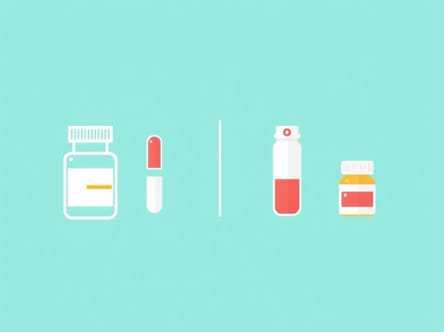
Learning about prescription and nonprescription drugs is an important part of early health education, even for young children in grade 2. At this stage, the goal is not to provide complex medical details but to help children understand basic ideas about medicine, safety, and the difference between drugs that need a doctor’s order and those that can be bought at a store. By teaching these concepts early, children can develop responsible habits and know when to ask adults for guidance about medicines.
Understanding What Drugs Are
Drugs are substances people use to help their bodies feel better when they are sick or in pain. Some drugs are made to fight infections, others reduce headaches, and some help with allergies or colds. For grade 2 students, it is important to learn that drugs are not candy, and they must only be taken with the help of a trusted adult.
Prescription Drugs Explained
Prescription drugs are medicines that require a doctor’s approval before someone can use them. These drugs are stronger, more specific, and sometimes have risks if they are not taken correctly. Doctors give prescriptions after checking a person’s health to make sure the medicine is the right choice.
Examples of Prescription Drugs
- Antibiotics to treat infections
- Asthma inhalers for children who have breathing problems
- Special allergy medicines prescribed by doctors
Children in grade 2 should understand that only a doctor or nurse can decide if a prescription drug is safe for them, and they must never take someone else’s medicine.
Nonprescription Drugs Explained
Nonprescription drugs, also known as over-the-counter (OTC) drugs, can be bought at a pharmacy, grocery store, or convenience store without a doctor’s order. These are usually mild medicines that help with common problems such as headaches, colds, or stomach aches. Even though they do not need a prescription, children should never take them on their own. An adult must always give the right amount of medicine.
Examples of Nonprescription Drugs
- Pain relievers like acetaminophen for headaches
- Cough syrup for mild colds
- Antacids for upset stomachs
These medicines are usually safe when used correctly, but taking too much or using them the wrong way can still cause harm.
Differences Between Prescription and Nonprescription Drugs
For children in grade 2, a simple way to understand the difference is this some medicines need a doctor’s note, while others do not. Both types can be helpful, but both also require adult supervision.
Key Differences
- Who DecidesA doctor gives prescription drugs, while nonprescription drugs can be chosen by adults at the store.
- StrengthPrescription drugs are usually stronger and treat more serious conditions.
- AvailabilityNonprescription drugs are easy to buy, but they still must be used carefully.
Why Safety is Important
Teaching children in grade 2 about drug safety helps prevent accidents. Medicines can be dangerous if taken in the wrong way or by the wrong person. That is why rules exist to protect everyone, especially children, from harm.
Simple Safety Rules for Kids
- Never take medicine without an adult’s help.
- Never share medicine with friends or classmates.
- Only use medicine that is given by a parent, nurse, or doctor.
- Keep all medicine away from small children or pets.
Learning About Labels
Another important part of learning about drugs is understanding labels. Even if grade 2 students cannot read every word, they can be taught that labels give important information about how much medicine to take, when to take it, and what it helps with.
Things Labels Show
- The name of the medicine
- How much to take (dosage)
- When to take it (morning, afternoon, or night)
- Warnings about side effects
Parents and teachers can show children that reading labels is a part of being safe and responsible with medicine.
Role of Parents and Teachers
For young children, adults play the biggest role in teaching safe medicine practices. Parents must explain why medicines are used and answer questions honestly, while teachers can reinforce lessons in class. This creates a strong foundation of awareness about prescription and nonprescription drugs.
Ways Adults Can Teach Children
- Use simple stories or examples to explain why a doctor gives a prescription.
- Show children where medicine is stored safely at home.
- Explain that taking too much medicine can be harmful, even if it tastes sweet.
- Encourage children to always ask before taking anything that looks like medicine.
Common Misunderstandings About Medicine
Children sometimes think all medicine is safe because it is meant to help people. This is not true. Prescription and nonprescription drugs must always be taken with care. Another misunderstanding is that medicine works the same for everyone, but different people may need different types or doses depending on their health and age.
How Schools Can Help
Schools can support children by teaching short lessons about medicine safety in grade 2 health classes. Simple activities such as identifying which items are food, candy, or medicine can help children learn to tell the difference. Role-playing activities where children practice asking an adult before taking medicine can also reinforce good habits.
Healthy Habits Beyond Medicine
Children should also learn that medicine is not the only way to feel better. Healthy habits like eating nutritious foods, drinking enough water, getting exercise, and sleeping well can often reduce the need for medicine. By combining healthy living with safe use of drugs, children develop balanced habits for the future.
Understanding the difference between prescription and nonprescription drugs in grade 2 lays the foundation for lifelong health awareness. By learning that prescription drugs require a doctor’s approval and nonprescription drugs can be bought at stores but still need adult guidance, children gain important safety knowledge. With the help of parents, teachers, and caregivers, children can grow up knowing how to use medicines safely and responsibly. This early education not only prevents accidents but also encourages healthier decision-making as they grow older.