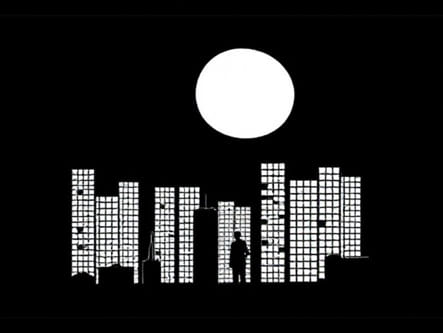
F. Scott Fitzgerald’s classic novelThe Great Gatsbyis widely celebrated for its lyrical prose, vivid imagery, and subtle use of literary devices. One rhetorical technique that adds to the elegance of Fitzgerald’s style is periphrasis the use of indirect or circumlocutory language to express a simple idea. Through periphrasis, Fitzgerald enriches his descriptions, builds atmosphere, and deepens character insights. This technique may not always be obvious, but its presence adds sophistication and a poetic rhythm to the novel’s narrative voice.
Understanding Periphrasis
Before diving into specific examples fromThe Great Gatsby, it is important to understand what periphrasis is and how it functions in literature. Periphrasis is a rhetorical strategy where the writer uses more words than necessary to describe something, often for emphasis, irony, or stylistic flair. Instead of saying something plainly, the writer chooses to wrap the meaning in elaborate phrasing.
In Fitzgerald’s writing, periphrasis is not simply decorative. It reflects the world of excess and illusion that the characters inhabit. In a novel obsessed with appearances, periphrasis mirrors the characters’ avoidance of directness and truth, especially in the world of wealth and status.
Examples of Periphrasis in The Great Gatsby
1. Describing Gatsby’s Persona
One of the most famous descriptions of Gatsby uses periphrastic language to express his enigmatic identity. Nick Carraway, the narrator, often avoids defining Gatsby directly, instead opting for poetic and extended descriptions
This is my middle-west not the wheat or the prairies or the lost Swede towns but the thrilling returning trains of my youth…
While this example also uses imagery and metaphor, it is periphrastic in how it skirts around a direct statement. Nick could simply say he misses his youth or his home, but instead, he expands on it through multiple images. This mirrors how he views Gatsby not as a simple man, but as a collection of dreams and illusions.
2. Daisy’s Voice
Another memorable instance is the description of Daisy Buchanan’s voice
Her voice is full of money, he said suddenly.
This short sentence is followed by a longer analysis that breaks down what this means. Instead of stating Daisy is rich and shallow, Fitzgerald unpacks her character through an abstract idea her voice carries wealth, privilege, and social class. This idea is explored further with elaboration, emphasizing how even Daisy’s tone evokes the seductive pull of wealth. The expansion of this single trait into a larger commentary on class is a classic use of periphrasis.
3. Gatsby’s Dream
Fitzgerald rarely states Gatsby’s goals in direct terms. Instead of plainly saying that Gatsby wants to reclaim his past with Daisy, the novel circles the idea with layered phrasing. Consider the iconic line
He had come a long way to this blue lawn, and his dream must have seemed so close that he could hardly fail to grasp it.
Rather than directly stating Gatsby’s desire to win back Daisy, Fitzgerald uses metaphorical and extended language to emphasize the elusiveness of the American Dream. The phrase come a long way and this blue lawn are symbolic and suggest more than just physical distance they imply emotional and psychological effort as well. This kind of elaborate restatement is periphrasis, contributing to the dreamlike quality of the narrative.
4. The Valley of Ashes
The novel’s portrayal of the Valley of Ashes is filled with periphrasis. Rather than saying it is a place of poverty and despair, Fitzgerald describes it in this way
This is a valley of ashes a fantastic farm where ashes grow like wheat into ridges and hills and grotesque gardens…
The description takes a symbolic turn, with metaphor and exaggeration. Fitzgerald chooses not to label the valley in realistic terms, but rather constructs a vision of moral decay and desolation through periphrastic, figurative language. This technique deepens the reader’s emotional response and sets a stark contrast with the opulence of Gatsby’s world.
The Function of Periphrasis in Characterization
Periphrasis plays a key role in building complex character portraits. The characters inThe Great Gatsbyare not simple figures; they are layered with dreams, pretensions, and contradictions. By using circumlocutory language, Fitzgerald emphasizes the emotional and psychological subtleties of each character.
- Nick CarrawayAs the narrator, Nick frequently avoids blunt judgment. He uses elaborate language to express uncertainty, moral ambiguity, and admiration. His periphrastic style reflects his internal conflict and evolving perception of Gatsby.
- Jay GatsbyGatsby himself is a figure of mystery. The way others talk about him through rumors and speculative language contributes to his mythic status. Even his real name, James Gatz, is shrouded in stories, half-truths, and verbal flourishes.
- Daisy BuchananDaisy’s charm lies in the unsaid, in suggestion and tone. Fitzgerald often surrounds her with poetic, evasive language that captures her beauty and emotional detachment, rather than directly critiquing her.
Periphrasis and the American Dream
One of the core themes of the novel is the American Dream the belief in self-made success and the pursuit of happiness. However, inThe Great Gatsby, this dream is shown to be illusory, corrupted by materialism and dishonesty. Fitzgerald uses periphrasis to reflect the distance between the dream and its reality.
Instead of addressing the failure of the American Dream in direct, expository terms, Fitzgerald presents it through symbols, metaphors, and extended descriptions. The final passage of the novel, for example, is deeply periphrastic
So we beat on, boats against the current, borne back ceaselessly into the past.
This concluding sentence could have been reduced to something more direct like We can’t escape our past, but the poetic and circular phrasing makes it far more memorable and poignant. It encapsulates the novel’s philosophical undertone that time and desire are eternally intertwined in a struggle we cannot win.
The Elegance of Indirectness
InThe Great Gatsby, periphrasis is more than a stylistic ornament. It is a deliberate technique that reflects the novel’s core themes of illusion, memory, and identity. Through roundabout language, Fitzgerald invites readers to explore beneath the surface to question what is said and what is left unsaid. Whether describing people, places, or dreams, Fitzgerald’s use of periphrasis enriches the novel’s emotional texture and creates an atmosphere that is both haunting and timeless.
For readers and students alike, understanding periphrasis inThe Great Gatsbyopens a deeper appreciation of Fitzgerald’s literary mastery. It allows us to see how the complexity of form mirrors the complexity of life, and how even the most indirect phrases can reveal profound truths.