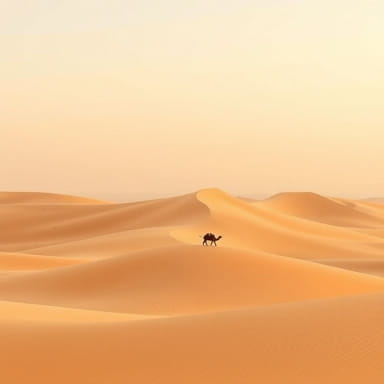
The Sahara Desert, often imagined as a vast sea of sand stretching endlessly under the scorching sun, is the largest hot desert in the world. While many people associate it with a single country, the truth is that the Sahara spans across a wide swath of northern Africa, covering several countries and shaping the geography, climate, and culture of the entire region. Its extreme weather, unique ecosystems, and historical significance make the Sahara a fascinating subject for geography, travel, and environmental studies.
Countries Containing the Sahara Desert
Widespread Geographic Presence
The Sahara Desert extends over approximately 9.2 million square kilometers (3.6 million square miles), making it larger than the entire United States. Instead of being confined to a single nation, the Sahara stretches across multiple countries, each of which contains a portion of this arid region. The countries include
- Algeria
- Chad
- Egypt
- Libya
- Mali
- Mauritania
- Morocco
- Niger
- Sudan
- Tunisia
- Western Sahara (disputed territory)
Each of these countries has a section of land that falls within the desert’s boundaries, contributing to its identity as a transnational geographical feature.
Algeria Home to the Largest Portion
Algeria holds the largest share of the Sahara Desert. Much of southern Algeria is covered by this arid landscape, including prominent features such as the Tassili n’Ajjer mountain range and expansive sand dunes. The desert influences Algeria’s climate, population distribution, and even its culture, especially in regions inhabited by Tuareg nomads.
Egypt Sahara Meets Ancient Civilization
In Egypt, the Sahara primarily covers the Western Desert, lying between the Nile River and Libya. This region includes notable features like the Great Sand Sea and several oases such as Siwa. The Egyptian Sahara played a crucial role in ancient trade routes and contains archaeological sites that still fascinate researchers and tourists alike.
Libya and Chad Central Desert Zones
Libya’s interior is dominated by the Libyan Desert, a part of the Sahara known for its harsh climate and minimal vegetation. Chad, to the south of Libya, features the Borkou-Ennedi-Tibesti region, home to dramatic rock formations and desert plateaus. These areas are known for extreme dryness and are among the least populated places on Earth.
Physical Features of the Sahara
Not Just Sand Dunes
Although many people picture the Sahara as an endless stretch of sand, this is only part of the picture. The desert includes a variety of landscapes
- Ergs – Sand seas with tall dunes
- Regs – Gravel plains
- Hamadas – Rocky plateaus
- Mountains – Including the Ahaggar and Tibesti ranges
- Oases – Fertile spots sustained by underground water sources
This diversity makes the Sahara more than just a sandy wasteland. It includes mountains over 3,000 meters high, ancient riverbeds, and even areas where snowfall occasionally occurs.
Climate Conditions
The Sahara has a hyper-arid climate with very low annual rainfall, sometimes less than 25 mm (1 inch) in some areas. Daytime temperatures can soar above 50°C (122°F), while nights may drop close to freezing, especially in winter. These extreme conditions make life challenging for both humans and wildlife, but some species have adapted remarkably well.
Flora and Fauna in the Sahara
Survival in Harsh Conditions
Despite its reputation as a lifeless expanse, the Sahara Desert supports a variety of plant and animal life. Native species have adapted to survive with minimal water and high temperatures. Common plant types include drought-resistant shrubs, acacias, and desert grasses. Animal species such as fennec foxes, addax antelopes, and sand vipers are well-suited to desert life.
Oases as Biodiversity Hotspots
Oases in the Sahara provide vital habitats and are often the centers of human settlement. These areas support date palms, fruit trees, and even small-scale agriculture. The presence of groundwater and vegetation attracts birds and mammals, making oases critical to desert biodiversity.
Human Presence and Culture
Nomadic Tribes
The Sahara has been home to nomadic peoples for thousands of years. The Tuareg, Berbers, and Bedouins have traversed its dunes and plains for generations, living off livestock, trade, and traditional crafts. Their culture is shaped by the environment, with unique music, textiles, and oral traditions that reflect their desert lifestyle.
Trade Routes and Historical Significance
Historically, the Sahara served as a vast trade corridor connecting sub-Saharan Africa with the Mediterranean. Camel caravans transported gold, salt, slaves, and textiles across the desert, creating cultural and economic links between distant regions. Ancient cities like Timbuktu in Mali and Ghadames in Libya emerged as trading hubs influenced by Saharan routes.
Tourism and Exploration
Adventure Tourism
The Sahara attracts adventurers, photographers, and tourists eager to experience its majestic landscapes. Visitors enjoy camel treks, overnight stays in desert camps, and visits to ancient ruins and rock art sites. Morocco, Tunisia, and Egypt are popular starting points for desert tours, offering easier access and organized excursions.
Scientific Research and Conservation
Scientists study the Sahara to understand climate patterns, ancient ecosystems, and human adaptation. Conservation efforts focus on preserving wildlife habitats and protecting archaeological sites from looting and degradation. The desert’s fragile environment is increasingly threatened by climate change and desertification, making it a priority for environmental monitoring.
The Sahara Desert is not confined to a single country but instead stretches across several nations, each contributing to its complex identity. From Algeria’s vast dunes to Egypt’s desert oases and the cultural heritage of Tuareg nomads, the Sahara is a mosaic of natural beauty and human resilience. Understanding which countries the Sahara is in helps clarify its geographical scope and highlights its global importance as one of Earth’s most iconic landscapes. Whether viewed from a map or experienced in person, the Sahara continues to captivate the imagination and challenge the spirit of all who encounter it.