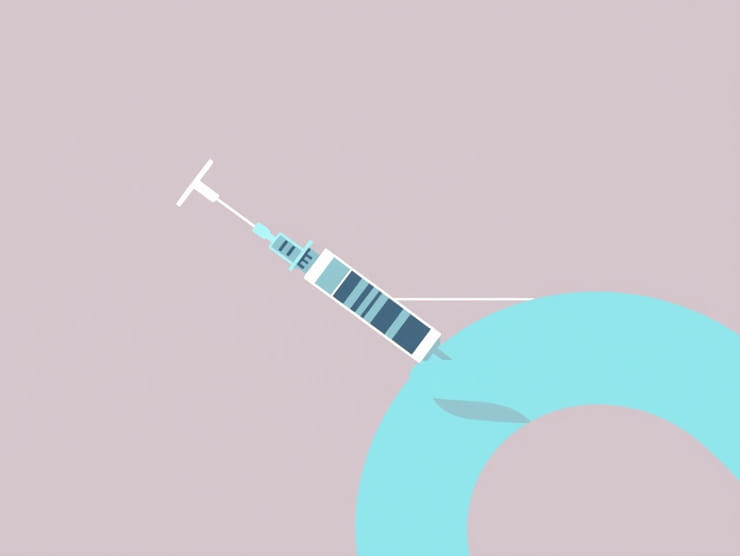
Intravenous injection is one of the most widely used medical techniques for delivering medication and fluids directly into the bloodstream. Unlike other methods of administration, such as oral tablets or intramuscular shots, this technique ensures rapid absorption and immediate effects. Because of its speed and accuracy, intravenous injection plays a crucial role in emergency medicine, surgeries, and treatments requiring precise dosing. To fully understand what intravenous injection is, it is important to explore its definition, purpose, procedure, benefits, and potential risks.
Definition of Intravenous Injection
An intravenous injection, often abbreviated as IV injection, is the process of delivering liquid substances directly into a vein using a needle or catheter. The word intravenous comes from intra meaning inside and venous referring to veins. This method bypasses the digestive system, allowing drugs, nutrients, or fluids to enter the bloodstream immediately. Because of this, intravenous injections are considered one of the fastest and most effective ways of administering treatments.
How Intravenous Injection Works
The human circulatory system is designed to transport oxygen, nutrients, and medications throughout the body. By injecting substances directly into a vein, healthcare providers ensure immediate distribution. The injected liquid mixes with blood and is carried to tissues and organs within seconds. This makes intravenous injection highly efficient, especially in life-threatening conditions where every second matters.
Types of Intravenous Injections
There are different ways intravenous injections can be administered, depending on the type of medication and the patient’s condition
- Bolus InjectionA single, quick injection directly into the vein. It is often used in emergencies for rapid effect.
- Infusion (Drip)A slower method where fluids or medications are delivered continuously over a set period through an IV drip.
- IV PushSimilar to bolus but usually performed with a syringe, pushing medication slowly into the vein over a few minutes.
Uses of Intravenous Injection
Intravenous injection is widely used in modern healthcare for various purposes. Some of the most common uses include
- Delivering emergency medications such as pain relievers, antibiotics, or clot-busting drugs.
- Administering anesthesia during surgery.
- Providing fluids to treat dehydration or restore blood volume.
- Supplying electrolytes and nutrients in patients unable to eat or drink.
- Chemotherapy treatments for cancer patients.
- Blood transfusions to replace lost blood during trauma or surgery.
Procedure of Intravenous Injection
The process of intravenous injection requires precision and sterile technique to prevent complications. The general steps are as follows
- The healthcare provider selects a suitable vein, often in the arm or hand.
- The area is cleaned with an antiseptic to prevent infection.
- A sterile needle or catheter is inserted into the vein carefully.
- The medication or fluid is injected directly or connected to an IV line for continuous infusion.
- The site is monitored to ensure proper flow and to detect any signs of complications such as swelling or discomfort.
Benefits of Intravenous Injection
There are several advantages of intravenous injection compared to other methods of medication delivery
- SpeedMedications reach the bloodstream instantly, which is essential in critical care situations.
- AccuracyThe exact dose is delivered without loss due to digestion or delayed absorption.
- ControlInfusions can be adjusted to provide a steady flow of medication over time.
- VersatilityA wide range of substances, from simple fluids to complex chemotherapy drugs, can be given intravenously.
- EffectivenessDrugs that are poorly absorbed orally can still be administered efficiently through IV injection.
Risks and Complications
Although intravenous injection is highly effective, it does carry potential risks if not performed properly. Some possible complications include
- InfectionBacteria can enter the bloodstream if sterile technique is not followed.
- PhlebitisInflammation of the vein due to irritation from the needle or medication.
- InfiltrationLeakage of fluid into surrounding tissues if the needle slips out of the vein.
- Air EmbolismRare but dangerous, this occurs when air enters the vein.
- Allergic ReactionsSome medications may cause immediate or delayed allergic responses.
Intravenous Injection vs. Other Routes
To better understand intravenous injection, it helps to compare it with other methods of medication administration
- Oral RouteEasy and convenient, but slower absorption and less accurate dosing.
- Intramuscular InjectionInjects medication into muscle tissue, slower than IV but longer-lasting effects.
- Subcutaneous InjectionPlaced under the skin, useful for insulin or vaccines, but less immediate than IV.
- Topical ApplicationApplied on skin, effective for local treatment but not systemic conditions.
Role in Emergency Medicine
One of the most important uses of intravenous injection is in emergency situations. When patients experience severe pain, cardiac arrest, stroke, or an allergic reaction, intravenous injection allows doctors to deliver lifesaving drugs immediately. IV access is often one of the first procedures performed by paramedics and emergency room staff to stabilize patients.
Intravenous Injection in Everyday Healthcare
Beyond emergencies, IV injections are a routine part of modern medicine. Patients undergoing surgery receive anesthesia intravenously. Cancer patients often receive chemotherapy drugs through an IV line. People who are severely dehydrated are treated with IV fluids to restore balance. This widespread use highlights the versatility and importance of intravenous injection in medical care.
Training and Safety Considerations
Intravenous injection must be performed by trained healthcare professionals such as nurses, paramedics, or doctors. Proper training ensures that the technique is safe, effective, and free from unnecessary complications. Safety guidelines require the use of sterile equipment, correct dosage, and careful monitoring of patients during and after the injection. Patient comfort is also important, as IV procedures can cause anxiety or discomfort.
Advancements in Intravenous Technology
Modern healthcare has developed advanced tools to make intravenous injections safer and more efficient. Automatic infusion pumps allow precise control of medication flow. Catheter designs have improved to reduce irritation and infection risks. Some hospitals even use vein visualization devices to help providers locate veins more easily, reducing patient discomfort and failed attempts.
Intravenous injection is a critical medical technique that ensures rapid delivery of fluids and medications directly into the bloodstream. Its effectiveness, speed, and reliability make it indispensable in both emergency care and routine medical treatments. While it carries some risks, proper training and sterile procedures minimize complications. Understanding what intravenous injection is, how it works, and its benefits allows patients to appreciate why it remains one of the most important methods of treatment in healthcare today.