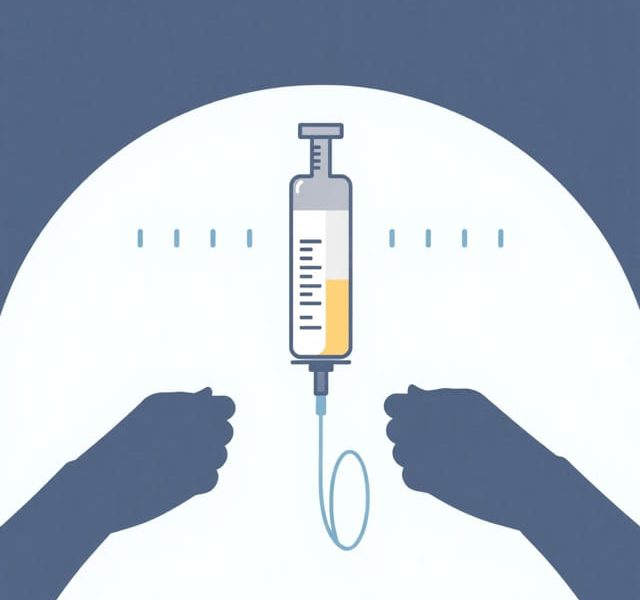
In modern medicine, intravenous infusion is one of the most common and effective ways to deliver fluids, nutrients, and medications directly into the body. This method ensures that essential substances enter the bloodstream quickly and efficiently, bypassing the digestive system. Intravenous infusion is widely used in hospitals, emergency care, and even wellness clinics for different therapeutic purposes. Understanding what intravenous infusion is, how it works, and why it is important can help people appreciate its role in healthcare and recovery.
Definition of Intravenous Infusion
Intravenous infusion, often shortened as IV infusion, is the administration of fluids or medication directly into a vein using a needle or catheter. The word intravenous” means “within a vein.” This method allows substances to reach the bloodstream almost instantly, making it faster and more reliable than oral or intramuscular administration. IV infusion is especially important in situations where quick delivery of medication or hydration is critical.
How Intravenous Infusion Works
The process of intravenous infusion involves inserting a small needle or plastic tube called a cannula into a vein, usually in the arm or hand. Once the vein is accessed, fluids are delivered through a sterile bag connected by tubing. The rate of flow can be adjusted depending on the patient’s condition and the type of solution being given. Healthcare professionals carefully monitor the process to ensure the patient receives the correct dosage and volume.
Types of Intravenous Infusion
There are several types of IV infusion, each serving a different medical purpose. The main types include
Continuous Infusion
This method delivers a steady flow of fluid or medication over an extended period. Continuous infusion is commonly used for hydration, electrolyte balance, or long-term medication delivery such as antibiotics or chemotherapy.
Intermittent Infusion
In this method, fluids or medications are administered at specific intervals rather than continuously. Intermittent infusion is often used for antibiotics, pain relief, or other treatments that do not require constant delivery.
Bolus Infusion
A bolus infusion involves delivering a large dose of medication or fluid quickly, usually in emergencies. For example, patients experiencing severe dehydration, shock, or allergic reactions may receive a bolus to stabilize their condition.
Total Parenteral Nutrition (TPN)
When patients cannot eat or digest food normally, they may receive total parenteral nutrition through an IV. This solution contains glucose, amino acids, fats, vitamins, and minerals to provide complete nourishment.
Common Uses of Intravenous Infusion
Intravenous infusion serves many purposes in healthcare. Some of the most common uses include
- Rehydrating patients suffering from dehydration due to illness, heat, or excessive fluid loss
- Delivering essential electrolytes and minerals to correct imbalances
- Administering pain relief, anesthesia, or sedation during surgery
- Providing antibiotics or antiviral drugs for serious infections
- Delivering chemotherapy medications for cancer treatment
- Supplying vitamins, nutrients, or blood products to patients who need support
- Emergency treatment for severe allergic reactions, poisoning, or trauma
Solutions Used in Intravenous Infusion
Different types of IV fluids are used depending on the patient’s condition. Some common solutions include
- Saline solution– a mixture of salt and water, commonly used for hydration and as a carrier for medications
- Ringer’s lactate– contains electrolytes like sodium, potassium, calcium, and lactate, useful for restoring fluid balance
- Dextrose solution– provides glucose for patients who need quick energy or have low blood sugar
- Colloid solutions– such as albumin, used for patients who need volume expansion in their bloodstream
Advantages of Intravenous Infusion
There are many benefits to using IV infusion in medical care, including
- Rapid delivery of fluids and medications into the bloodstream
- Precise control over dosage and flow rate
- Ability to administer substances that cannot be taken orally
- Immediate effect in emergency situations
- Effective for patients who are unconscious, vomiting, or unable to swallow
Risks and Complications
Although intravenous infusion is generally safe, it can sometimes lead to complications if not properly managed. Potential risks include
- Infection at the site of needle insertion
- Vein irritation or inflammation known as phlebitis
- Infiltration, where fluid leaks into surrounding tissue instead of the vein
- Allergic reactions to medications or fluids
- Fluid overload, which can stress the heart and lungs if too much is given
To reduce these risks, healthcare professionals follow strict protocols for hygiene, monitoring, and dosage control.
Who Performs Intravenous Infusion?
Intravenous infusions are typically performed by trained medical staff such as nurses, doctors, or paramedics. They are responsible for selecting the right vein, inserting the IV line, preparing the solution, and monitoring the patient. In some wellness or outpatient clinics, IV therapy may also be offered for hydration and vitamin supplementation under medical supervision.
Intravenous Infusion in Emergency Care
IV infusion is a lifesaving tool in emergency medicine. For patients suffering from trauma, shock, poisoning, or severe dehydration, intravenous infusion provides immediate access to fluids and medication. Emergency responders often use IV lines in ambulances to stabilize patients before they reach the hospital.
Intravenous Infusion in Chronic Conditions
Beyond emergencies, IV infusion plays a role in managing chronic illnesses. Patients with cancer, autoimmune disorders, or gastrointestinal problems may require regular infusions. For example, chemotherapy drugs are often delivered through IV, as are biologic medications for conditions like rheumatoid arthritis or Crohn’s disease. This ensures steady and effective absorption of the treatment.
Wellness and Non-Medical Use of IV Infusion
In recent years, intravenous infusion has also become popular outside hospitals. Wellness clinics offer IV vitamin therapy, hydration treatments, and energy-boosting infusions. While some people report feeling benefits such as improved energy or quicker recovery from fatigue, medical professionals often caution that such uses should be carefully monitored to avoid unnecessary risks.
Future of Intravenous Infusion
Medical technology continues to improve IV therapy, making it safer and more efficient. Innovations such as smart pumps, improved catheter designs, and portable infusion devices are helping both patients and healthcare providers. In the future, IV infusion may become even more precise and tailored to individual needs.
Intravenous infusion is a vital medical technique that allows rapid delivery of fluids, nutrients, and medications directly into the bloodstream. It plays a crucial role in emergency care, surgery, chronic illness management, and even wellness treatments. While it offers many advantages, IV infusion must be performed with care to avoid complications. By providing reliable and effective treatment, intravenous infusion remains one of the most important tools in modern healthcare, helping patients recover faster and improving overall outcomes.