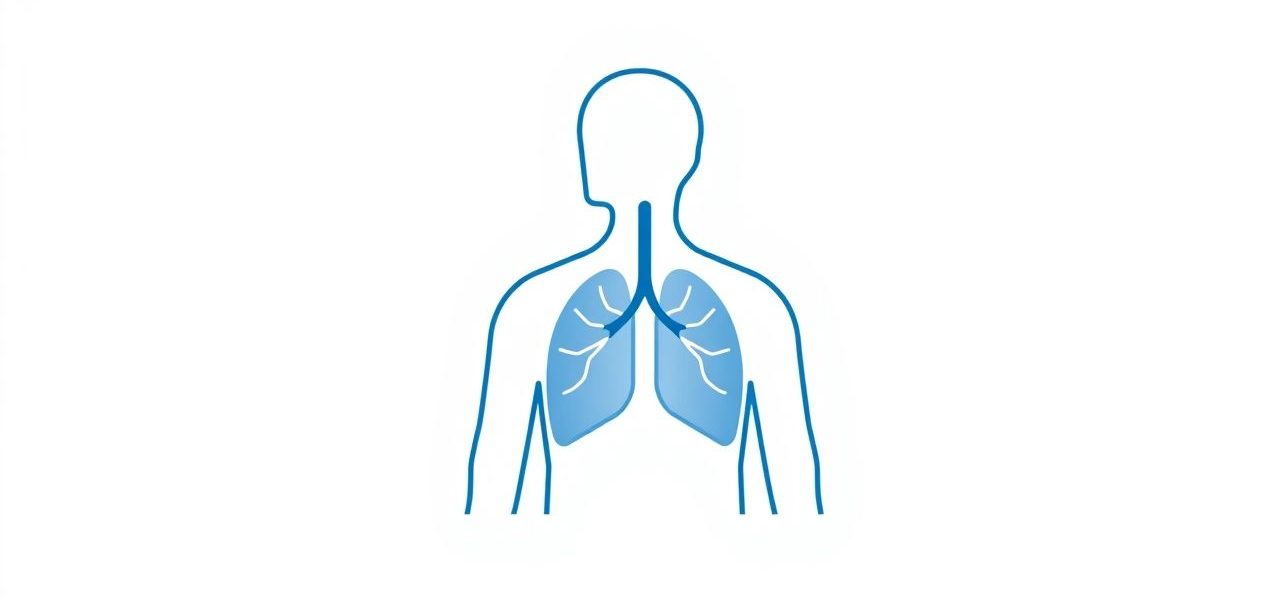
Breathing difficulty can be a distressing symptom that affects people of all ages, ranging from shortness of breath during physical activity to severe respiratory distress that requires urgent medical attention. In the healthcare setting, accurate diagnosis and proper medical coding are essential for documentation, insurance claims, and patient care planning. The ICD-10 coding system provides standardized codes to classify medical conditions, including various forms of breathing difficulty, ensuring that healthcare providers and institutions can communicate effectively and maintain accurate records.
Understanding Breathing Difficulty in Clinical Practice
Breathing difficulty, also known as dyspnea, can result from multiple underlying causes, such as lung diseases, heart conditions, anxiety disorders, or even temporary physical exertion. Clinicians assess the severity of the symptom by considering the onset, duration, associated signs, and underlying health conditions. In the medical field, clear documentation supported by the International Classification of Diseases, 10th Revision (ICD-10), is vital for proper diagnosis and billing purposes.
ICD-10 Codes for Breathing Difficulty
In ICD-10, breathing difficulty is categorized under respiratory system diseases, symptoms, and abnormal clinical findings. The most commonly used code isR06.00for unspecified dyspnea, but there are several specific codes that help identify the exact nature of the symptom. Accurate selection of these codes is crucial for patient records, insurance claims, and statistical health data analysis.
Common ICD-10 Codes Related to Breathing Difficulty
- R06.00– Dyspnea, unspecified
- R06.01– Orthopnea (shortness of breath when lying flat)
- R06.02– Shortness of breath
- R06.03– Acute respiratory distress
- R06.09– Other forms of dyspnea
- R06.2– Wheezing
- R06.3– Periodic breathing
- R06.4– Hyperventilation
- R06.6– Hiccough
- R06.8– Other abnormalities of breathing
Clinical Relevance of ICD-10 Coding
ICD-10 codes are more than just numbers; they provide an internationally recognized way to identify symptoms and conditions. In the context of breathing difficulty, correct coding ensures that the condition is recorded accurately, guiding treatment decisions and allowing public health agencies to track respiratory health trends. For example, distinguishing between R06.02 (shortness of breath) and R06.03 (acute respiratory distress) helps indicate the urgency of care and appropriate interventions.
Causes of Breathing Difficulty
The ICD-10 system codes the symptom of breathing difficulty itself, but understanding the underlying causes is essential for accurate treatment. Some of the most common causes include
- Chronic respiratory diseases such as asthma and chronic obstructive pulmonary disease (COPD)
- Cardiovascular conditions like heart failure or arrhythmias
- Respiratory infections including pneumonia and bronchitis
- Allergic reactions causing airway constriction
- Anxiety or panic attacks
- Obesity-related breathing problems
- Pulmonary embolism or blood clots in the lungs
Acute vs. Chronic Breathing Difficulty
Breathing problems can be acute, developing suddenly due to infections, allergic reactions, or injuries, or chronic, persisting for months or years due to long-term diseases like COPD. In ICD-10 coding, the same symptom code may apply, but additional codes for the underlying condition are often included to provide a complete clinical picture.
Importance of Proper Documentation
When documenting breathing difficulty in medical records, healthcare professionals must note the patient’s medical history, physical examination findings, and diagnostic test results. For ICD-10 purposes, details such as whether the dyspnea is exertional, nocturnal, or positional can help determine the most accurate code. This level of specificity ensures that insurance claims are processed correctly and that the patient receives appropriate care.
Impact on Insurance and Billing
Medical billing systems rely heavily on ICD-10 codes to determine reimbursement rates and coverage eligibility. Incorrectly coding breathing difficulty can result in denied claims or payment delays. For example, using R06.00 (unspecified) when more specific information is available may lead to reduced accuracy in the patient’s medical history and billing records.
Diagnostic Approach for Breathing Difficulty
When a patient presents with breathing difficulty, doctors typically follow a systematic diagnostic process that includes
- Medical history review to identify risk factors
- Physical examination, focusing on lung and heart sounds
- Pulse oximetry and arterial blood gas measurements
- Chest X-ray or CT scan to evaluate lung structure
- Electrocardiogram (ECG) to assess heart function
- Spirometry to measure lung capacity
Managing Breathing Difficulty
Management strategies vary depending on the underlying cause. For example, inhalers and bronchodilators may be prescribed for asthma, while diuretics might be used for heart failure-related shortness of breath. In emergency situations, oxygen therapy or mechanical ventilation may be necessary.
Examples of Treatment Approaches
- AsthmaQuick-relief inhalers, corticosteroids
- COPDLong-term oxygen therapy, pulmonary rehabilitation
- Pulmonary embolismAnticoagulant medication
- Heart failureDiuretics, beta-blockers
- Anxiety-induced dyspneaBreathing exercises, counseling
Prevention and Monitoring
While not all cases of breathing difficulty can be prevented, early detection and management of underlying conditions can reduce the frequency and severity of episodes. Regular check-ups, smoking cessation, healthy weight maintenance, and proper treatment of chronic illnesses are essential steps in preventing severe respiratory symptoms.
Breathing difficulty ICD-10 coding plays a vital role in modern healthcare, bridging clinical documentation with administrative and financial processes. By using specific codes such as R06.02 for shortness of breath or R06.03 for acute respiratory distress, healthcare providers can ensure accurate medical records, facilitate proper treatment, and streamline insurance claims. Understanding the coding structure and clinical context behind breathing difficulty allows both medical professionals and patients to navigate healthcare systems more effectively, ultimately improving patient care and health outcomes.