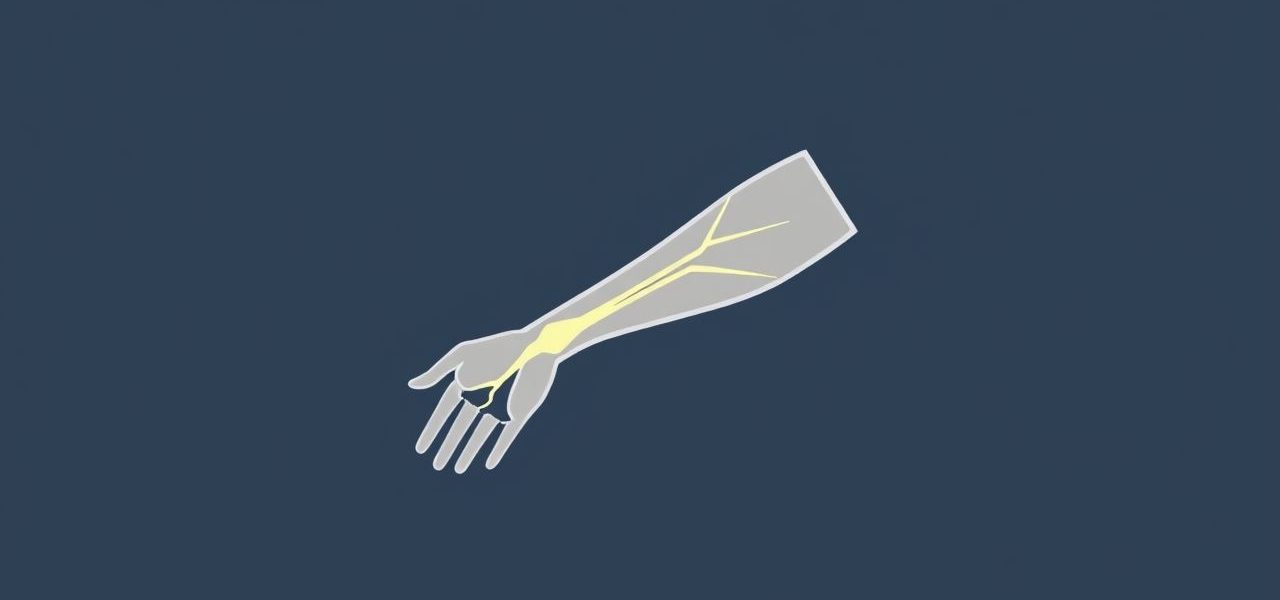
Damage to the radial nerve is a common neurological condition that can significantly impact arm and hand function. This nerve plays a crucial role in controlling movement and sensation in parts of the upper limb. When the radial nerve is injured, individuals may experience symptoms ranging from weakness and loss of sensation to complete paralysis of certain muscles in the forearm and hand. Understanding the causes, symptoms, diagnosis, and treatment options for radial nerve damage is essential for effective management and recovery.
Anatomy and Function of the Radial Nerve
The radial nerve originates from the brachial plexus, a network of nerves near the neck that supplies the upper limb. It travels down the arm, wrapping around the humerus bone before branching into smaller nerves that control muscle movements and sensation in the forearm, wrist, and fingers. Its motor function includes extending the wrist and fingers, while its sensory function covers the back of the hand and part of the forearm.
Common Causes of Radial Nerve Damage
Radial nerve injury can result from various causes. Trauma is one of the most frequent factors, especially fractures of the humerus bone, which can directly injure the nerve. Compression or prolonged pressure on the nerve, sometimes called Saturday night palsy,” occurs when the arm is compressed against a hard surface during unconsciousness. Other causes include
- Fractures and dislocations of the arm
- Direct trauma or lacerations
- Prolonged compression during surgery or immobilization
- Entrapment syndromes due to repetitive movements or anatomical abnormalities
- Systemic conditions such as diabetes causing nerve damage
- Tumors or cysts compressing the nerve
Signs and Symptoms of Radial Nerve Injury
The symptoms vary depending on the location and severity of the nerve damage. Common signs include weakness or paralysis of wrist and finger extension, leading to a condition known as “wrist drop.” Sensory symptoms such as numbness or tingling typically affect the back of the hand and forearm. Other symptoms can include
- Difficulty straightening the wrist and fingers
- Loss of grip strength
- Burning or sharp pain along the nerve path
- Muscle atrophy in severe or prolonged cases
Diagnosis of Radial Nerve Damage
Diagnosing radial nerve injury starts with a detailed medical history and physical examination. Doctors assess muscle strength, reflexes, and sensory function. Imaging studies such as X-rays or MRI scans help identify fractures or nerve compression sources. Electrophysiological tests, including nerve conduction studies and electromyography (EMG), provide information about nerve function and the extent of damage.
Physical Examination
During the exam, the doctor evaluates wrist and finger movements, checking for wrist drop or weakness. Sensory testing determines areas of numbness or altered sensation. Reflexes may also be assessed to evaluate nerve integrity.
Imaging and Electrophysiological Tests
- X-raysTo detect fractures or bone abnormalities.
- MRITo visualize soft tissue structures and possible nerve compression.
- Nerve conduction studiesMeasure how fast electrical signals travel along the nerve.
- Electromyography (EMG)Assesses electrical activity of muscles controlled by the radial nerve.
Treatment Options for Radial Nerve Injury
Treatment depends on the cause, severity, and duration of the injury. Mild injuries often recover with conservative management, while severe cases may require surgical intervention.
Conservative Treatment
In cases where the nerve is bruised or compressed but not severed, rest and physical therapy are essential. Therapies focus on maintaining joint mobility and strengthening unaffected muscles. Splinting or bracing the wrist helps prevent deformity such as wrist drop. Pain management includes medications and, sometimes, nerve pain-specific drugs.
Surgical Treatment
Surgery is considered if there is nerve transection, persistent compression, or failure of conservative treatment after several months. Surgical options include nerve repair, grafting, or decompression to restore function. Postoperative physical therapy is crucial for regaining strength and movement.
Recovery and Prognosis
Recovery time varies widely depending on the injury type and treatment method. Mild injuries can heal within weeks to months, while severe cases may take longer or result in permanent deficits. Early diagnosis and appropriate management improve outcomes. Physical therapy and rehabilitation are vital components to maximize function and prevent complications such as muscle contractures.
Preventing Radial Nerve Damage
Preventive measures include avoiding prolonged pressure on the arm, especially during sleep or anesthesia. Proper care during surgeries and awareness of potential trauma risks also reduce the chance of nerve injury. For individuals with repetitive strain or anatomical predispositions, ergonomic adjustments and medical monitoring help prevent entrapment syndromes.
Summary
- Radial nerve damage affects motor and sensory functions of the arm and hand.
- Common causes include trauma, compression, fractures, and systemic diseases.
- Symptoms range from wrist drop and weakness to numbness and pain.
- Diagnosis involves physical exam, imaging, and nerve studies.
- Treatment varies from conservative management to surgical repair.
- Recovery depends on injury severity and timely intervention.
Damage to the radial nerve can have a significant impact on daily activities due to impaired movement and sensation. Understanding the anatomy, causes, symptoms, and treatment options is crucial for timely diagnosis and effective management. Early intervention improves the chances of recovery and helps prevent long-term disability. If you suspect radial nerve injury, consult a healthcare professional for thorough evaluation and personalized care.