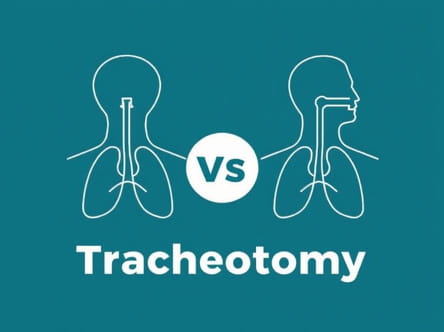
Understanding the difference between a tracheostomy and a tracheotomy is essential for patients, caregivers, and healthcare professionals. While these terms are often used interchangeably, they refer to related but distinct procedures involving the airway. Both are surgical interventions that create an opening in the trachea to assist with breathing, but the purpose, duration, and context of each procedure can vary significantly. Clarifying the differences helps in making informed decisions about care, understanding medical reports, and communicating effectively with healthcare providers.
What is a Tracheotomy?
A tracheotomy is a surgical procedure in which an incision is made in the trachea, typically through the neck, to establish an airway. This procedure is often performed in emergency situations when a patient cannot breathe due to obstruction, swelling, trauma, or other acute conditions. The incision allows immediate access to the trachea for ventilation and oxygen delivery.
Key Features of Tracheotomy
- Usually performed as an emergency or short-term intervention.
- Can be done at the bedside in urgent cases or in an operating room under controlled conditions.
- The primary goal is to bypass upper airway obstruction quickly.
- Typically involves temporary use of a tube or stent to maintain the airway.
- May or may not require long-term care after the initial procedure.
What is a Tracheostomy?
A tracheostomy refers to the creation of a more permanent or long-term opening in the trachea. While the surgical technique may resemble a tracheotomy, a tracheostomy is generally intended for patients who require prolonged mechanical ventilation, chronic airway management, or long-term respiratory support. The procedure often involves placing a tracheostomy tube that can be maintained and replaced over time.
Key Features of Tracheostomy
- Designed for long-term airway management.
- Typically performed in a controlled surgical environment.
- Facilitates prolonged ventilation or airway support in chronic conditions.
- Involves regular cleaning, maintenance, and monitoring of the tracheostomy tube.
- Can improve patient comfort and reduce complications compared to prolonged intubation.
Main Differences Between Tracheostomy and Tracheotomy
Although both procedures involve accessing the trachea to assist with breathing, there are distinct differences
Duration
Tracheotomy is usually a temporary, short-term measure, often performed in emergency situations. A tracheostomy, on the other hand, is intended for long-term or permanent use, especially for patients who require extended ventilatory support.
Purpose
The purpose of a tracheotomy is primarily immediate airway relief in critical situations. A tracheostomy serves broader purposes including long-term ventilation, airway protection, secretion management, and patient comfort over prolonged periods.
Timing and Setting
Tracheotomy can be performed quickly at the bedside in emergencies, whereas tracheostomy is usually scheduled in a surgical suite under controlled conditions, ensuring a sterile environment and precise placement.
Maintenance
A tracheotomy may require minimal maintenance if it is temporary and intended to resolve an acute condition. A tracheostomy requires ongoing care including cleaning, tube changes, and monitoring to prevent infection, blockage, or other complications.
Patient Population
Tracheotomy is often seen in acute care or emergency patients, such as those with airway obstruction due to trauma or severe swelling. Tracheostomy is common among patients with chronic respiratory failure, neuromuscular disorders, or those recovering from prolonged intubation.
Indications for Each Procedure
When a Tracheotomy is Performed
- Acute airway obstruction from trauma, tumors, or swelling
- Severe infections causing upper airway blockage
- Emergency ventilation when intubation is not possible
- Temporary airway management in critical care settings
When a Tracheostomy is Performed
- Prolonged mechanical ventilation
- Chronic respiratory diseases requiring long-term airway access
- Neurological conditions affecting breathing or swallowing
- Patients with recurrent aspiration or airway clearance issues
- Planned surgeries that necessitate long-term airway support
Advantages and Disadvantages
Tracheotomy
Advantages
- Rapid airway access in emergencies
- Simple and quick procedure
- Temporary solution, often avoiding complex surgery
Disadvantages
- Short-term solution may require further procedures
- Higher risk of complications if emergency conditions are uncontrolled
- Limited use for long-term respiratory management
Tracheostomy
Advantages
- Provides long-term airway access safely
- Reduces complications from prolonged intubation
- Allows better patient comfort and communication options
- Facilitates airway suctioning and secretion management
Disadvantages
- Requires surgical setting and expertise
- Ongoing maintenance and monitoring needed
- Potential risks include infection, bleeding, and tracheal stenosis
Post-Procedure Care
Both procedures require attentive post-operative care, but the intensity and duration differ. After a tracheotomy, the focus is on ensuring the airway remains open until the underlying issue resolves. For a tracheostomy, long-term care includes regular cleaning of the tube, monitoring for infection, managing secretions, and routine tube changes to maintain airway integrity.
Patient Education
Patients and caregivers must understand the importance of hygiene, monitoring for signs of infection, and recognizing any signs of airway obstruction. Proper training ensures safety and reduces complications associated with either procedure.
Although tracheostomy and tracheotomy are related procedures that provide airway access, they serve different purposes and contexts. Tracheotomy is generally a short-term, emergency procedure aimed at immediate airway relief, while tracheostomy is a planned, long-term intervention for chronic respiratory management. Understanding the distinctions, indications, and care requirements for each procedure is crucial for patients, families, and healthcare providers. Proper application and post-procedure care enhance patient outcomes, improve comfort, and reduce the risk of complications, making these procedures vital tools in modern respiratory and critical care medicine.