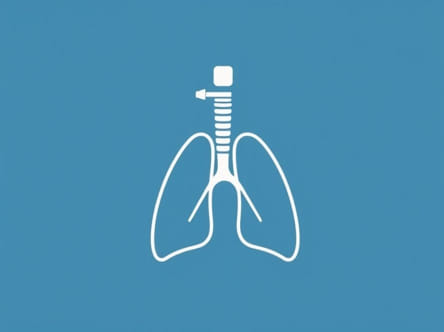
Understanding medical terminology is essential for both healthcare professionals and patients who wish to have a clearer insight into various medical procedures and conditions. One such term that often comes up in clinical settings is tracheostomy.” This procedure plays a crucial role in respiratory care, particularly for individuals who face difficulty breathing due to airway obstruction or other underlying medical conditions. Knowing the definition, purpose, and implications of a tracheostomy can help patients and their families make informed decisions about healthcare.
Definition of Tracheostomy
A tracheostomy is a medical procedure in which an opening is surgically created through the neck into the trachea, also known as the windpipe. This opening allows direct access to the airway for breathing when normal breathing is obstructed or impaired. The term “tracheostomy” comes from the Greek words “tracheia,” meaning trachea, and “stoma,” meaning mouth or opening. Essentially, it describes an artificial opening in the trachea to facilitate respiration.
Purpose of a Tracheostomy
The primary purpose of a tracheostomy is to maintain a patent airway. Patients who may require this procedure include those with
- Severe upper airway obstruction caused by trauma, tumors, or swelling.
- Prolonged need for mechanical ventilation in cases of respiratory failure.
- Neurological conditions that impair normal breathing, such as spinal cord injuries or neuromuscular diseases.
- Congenital anomalies of the airway that restrict normal airflow.
By creating a direct airway, a tracheostomy can significantly improve oxygen delivery to the lungs and enhance overall respiratory function.
Types of Tracheostomy
Tracheostomies can be categorized based on how they are performed and the duration for which they are needed
- Temporary TracheostomyOften used for short-term needs, such as post-surgical recovery or temporary airway obstruction.
- Permanent TracheostomyRequired in cases where long-term airway access is necessary, such as in patients with irreversible airway damage or chronic respiratory conditions.
- Percutaneous TracheostomyA minimally invasive method performed at the bedside, typically for patients in intensive care units.
- Surgical TracheostomyConducted in an operating room under general anesthesia, often for patients who require a permanent or long-term airway solution.
Medical Terminology Related to Tracheostomy
Understanding the terminology associated with tracheostomy can provide a clearer comprehension of its clinical context
- StomaThe actual opening created in the trachea through which air passes.
- Tracheostomy TubeA medical device inserted into the stoma to maintain the airway. These tubes come in various sizes and materials depending on patient needs.
- CuffAn inflatable portion of some tracheostomy tubes that seals the airway to prevent aspiration of fluids or secretions.
- DecannulationThe process of removing the tracheostomy tube once the patient can breathe adequately on their own.
- Ventilator SupportOften used in conjunction with a tracheostomy for patients who cannot breathe independently.
Indications for a Tracheostomy
Medical professionals consider a tracheostomy when conventional breathing support is insufficient or impractical. Common indications include
- Obstructive sleep apnea with severe airway blockage.
- Severe trauma to the head, neck, or face affecting the airway.
- Chronic lung diseases requiring long-term mechanical ventilation.
- Infections causing swelling or blockage of the airway.
- Neuromuscular disorders that compromise respiratory function.
Procedure and Aftercare
Performing a tracheostomy involves careful planning and precise surgical technique. The procedure generally includes the following steps
- Administering anesthesia and preparing the surgical site on the neck.
- Making an incision in the skin and underlying tissues to expose the trachea.
- Creating a stoma by opening the tracheal wall.
- Inserting the tracheostomy tube to maintain the airway.
- Securing the tube and providing immediate respiratory support if needed.
After the procedure, ongoing care is essential to prevent complications. Patients or caregivers are instructed on proper cleaning of the stoma, humidifying the airway, suctioning secretions, and monitoring for signs of infection. Regular follow-ups with healthcare providers ensure the tracheostomy remains effective and safe for long-term use.
Potential Risks and Complications
While tracheostomy is generally safe when performed by skilled professionals, it carries certain risks. Complications may include
- Infection at the stoma site.
- Bleeding during or after the procedure.
- Accidental dislodgement of the tracheostomy tube.
- Granulation tissue formation leading to airway obstruction.
- Scarring or narrowing of the trachea over time.
Healthcare providers closely monitor patients for these potential issues and provide guidance on how to minimize risks.
Benefits of Tracheostomy
When appropriately indicated and managed, a tracheostomy offers numerous benefits
- Improved breathing for patients with obstructed airways.
- Enhanced comfort compared to prolonged endotracheal intubation.
- Facilitates weaning from mechanical ventilation in critically ill patients.
- Reduces the risk of lung infections associated with prolonged intubation.
- Allows patients to speak and swallow with specialized tracheostomy tubes and techniques.
The term “tracheostomy” encompasses both the medical procedure and the resulting artificial airway that can significantly improve respiratory function in patients with compromised breathing. Understanding the definition, indications, types, and care involved in a tracheostomy equips patients, families, and healthcare providers with the knowledge necessary for safe and effective management. With proper care, tracheostomy can be a life-saving intervention that restores normal breathing and enhances quality of life.