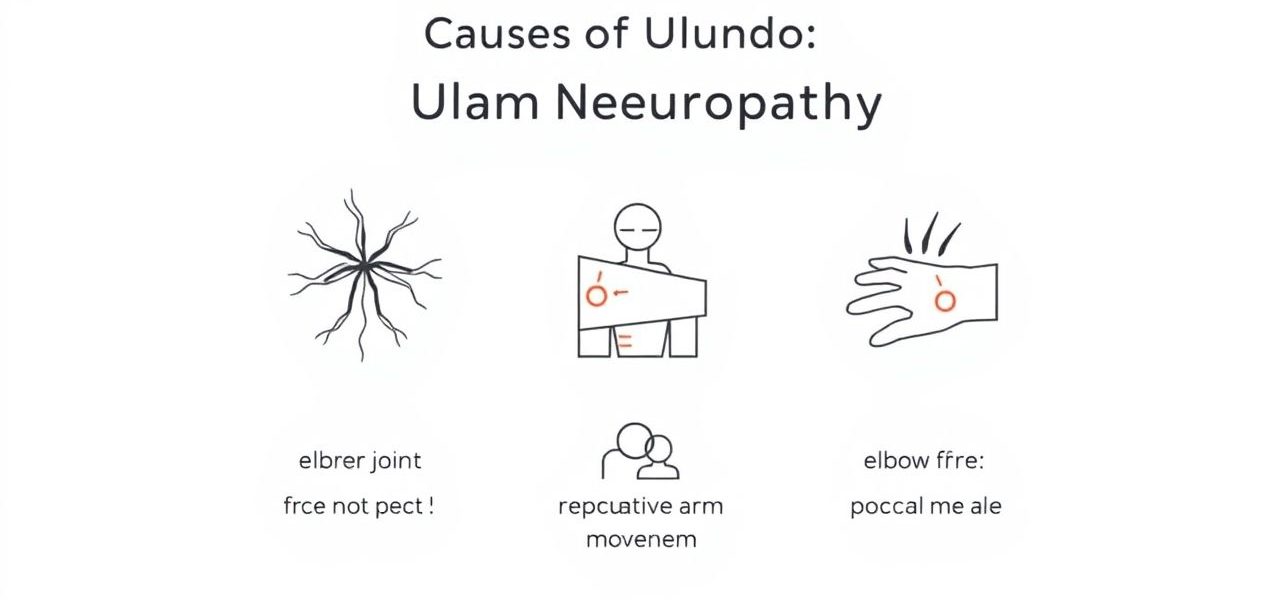
Ulnar neuropathy is a nerve condition that occurs when the ulnar nerve, which runs from the neck down to the hand, becomes compressed or irritated. This nerve controls sensation in the ring and little fingers and helps move certain muscles in the hand and forearm. When the ulnar nerve is affected, it can lead to numbness, tingling, weakness, or even muscle wasting in severe cases. Understanding the causes of ulnar neuropathy is essential for preventing long-term nerve damage and managing symptoms effectively.
Understanding Ulnar Neuropathy
The ulnar nerve travels through several narrow anatomical passages, making it vulnerable to compression at multiple points. The two most common sites of entrapment are the elbow, in an area known as the cubital tunnel, and the wrist, at Guyon’s canal. Pressure or injury to the nerve can occur suddenly due to trauma or develop gradually over time from repetitive movements or prolonged positioning.
Common Causes of Ulnar Neuropathy
Many factors can contribute to the development of ulnar neuropathy. These causes may be related to injury, anatomical variations, or medical conditions that increase nerve vulnerability.
Direct Trauma to the Elbow or Wrist
A sudden impact to the inner elbow or wrist can injure the ulnar nerve directly. Because the nerve is relatively exposed in these areas, even minor injuries can cause temporary or permanent damage.
- Sports injuries such as falls or collisions
- Work-related accidents involving machinery or tools
- Fractures or dislocations around the elbow or wrist
Prolonged Elbow Flexion
Bending the elbow for extended periods increases tension on the ulnar nerve. This is a common cause in people who frequently talk on the phone, sleep with bent arms, or rest their elbows on hard surfaces for long durations.
Compression in the Cubital Tunnel
The cubital tunnel is a narrow passage at the elbow through which the ulnar nerve travels. Swelling, inflammation, or structural narrowing in this tunnel can compress the nerve. Causes include
- Repetitive elbow bending from certain jobs or sports
- Arthritis or bone spurs narrowing the tunnel
- Thickened connective tissue around the nerve
Occupational and Lifestyle Factors
Some professions and habits increase the risk of ulnar neuropathy due to repetitive stress or pressure on the nerve.
Repetitive Arm Movements
Jobs that involve frequent bending and straightening of the elbow, such as assembly line work, carpentry, or musicianship, can gradually damage the nerve.
Frequent Use of Vibrating Tools
Handheld vibrating tools, such as jackhammers or drills, can cause both direct trauma and micro-injuries to the ulnar nerve over time.
Prolonged Cycling
In cyclists, prolonged gripping of handlebars can compress the ulnar nerve at the wrist, leading to a condition sometimes called handlebar palsy.”
Medical Conditions That Contribute to Ulnar Neuropathy
Certain health issues make individuals more susceptible to nerve compression or injury.
Arthritis
Inflammatory joint diseases such as rheumatoid arthritis can cause swelling and joint deformities that narrow nerve pathways.
Diabetes Mellitus
Diabetes can damage nerves directly and also make them more vulnerable to compression. Even mild pressure may cause significant symptoms in people with diabetic neuropathy.
Thyroid Disorders
Hypothyroidism can contribute to swelling in tissues, which may increase pressure on the ulnar nerve.
Structural and Anatomical Causes
In some cases, ulnar neuropathy results from inherent differences in anatomy or structural changes due to aging or injury.
Bone Spurs and Fracture Healing
Following fractures near the elbow or wrist, bone spurs or irregular healing can encroach on the nerve’s path.
Anatomical Narrowing
Some individuals naturally have narrower cubital tunnels or Guyon’s canals, increasing the likelihood of nerve entrapment without any external injury.
Post-Surgical Complications
Ulnar neuropathy can sometimes develop after surgery on the elbow, wrist, or shoulder. Swelling, scar tissue formation, or improper limb positioning during recovery may contribute to nerve damage.
Inflammatory and Autoimmune Disorders
Conditions that cause chronic inflammation can also lead to ulnar nerve compression.
- Systemic lupus erythematosus
- Psoriatic arthritis
- Chronic inflammatory demyelinating polyneuropathy (CIDP)
Sports-Related Causes
Certain sports put athletes at higher risk for ulnar neuropathy due to repetitive arm motions or direct impacts.
Throwing Sports
Baseball pitchers, javelin throwers, and tennis players often place significant strain on the elbow joint, which can irritate or compress the ulnar nerve.
Contact Sports
Football, rugby, and martial arts involve frequent impacts to the arm, increasing the risk of direct nerve trauma.
Symptoms Related to the Causes
The exact symptoms of ulnar neuropathy depend on the site and severity of the nerve compression. Early warning signs include tingling in the ring and little fingers, hand weakness, and difficulty gripping objects. If untreated, prolonged compression can lead to permanent muscle wasting in the hand.
Preventing Ulnar Neuropathy
Prevention involves addressing the common causes and reducing repeated stress or pressure on the nerve. Strategies include
- Avoiding prolonged elbow flexion, especially during sleep
- Using ergonomic workstations and cushioned elbow supports
- Taking frequent breaks from repetitive arm activities
- Managing chronic conditions such as diabetes and arthritis
- Wearing protective gear during sports or heavy labor
When to Seek Medical Attention
Persistent tingling, numbness, or weakness in the hand should not be ignored, especially if it worsens over time. Early diagnosis and treatment can often reverse symptoms and prevent permanent nerve damage. A healthcare provider may recommend nerve conduction studies, imaging, or other diagnostic tests to pinpoint the cause and determine the best course of treatment.
The causes of ulnar neuropathy are diverse, ranging from repetitive movements and direct trauma to underlying medical conditions and anatomical variations. Identifying the specific cause is key to effective treatment and prevention. By recognizing risk factors early and making lifestyle adjustments, individuals can significantly reduce their chances of developing this nerve disorder and protect the long-term health of their arms and hands.