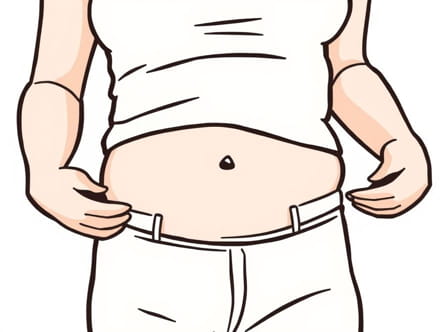
A pudgy belly can be a source of frustration for many people, affecting self-confidence and overall health. This common condition is often the result of excess body fat accumulating around the abdominal area due to poor diet, sedentary lifestyle, stress, or hormonal imbalances. While spot reduction is not possible, a combination of healthy eating, regular exercise, and lifestyle adjustments can help reduce belly fat over time. Understanding the contributing factors and adopting a sustainable approach is key to achieving a slimmer, healthier midsection.
Understanding the Causes of a Pudgy Belly
Before taking action, it is important to identify the underlying causes of excess belly fat. Recognizing these factors can help tailor strategies that effectively target fat reduction and improve overall health.
Poor Diet
High-calorie diets rich in refined sugars, processed foods, and unhealthy fats contribute significantly to abdominal fat accumulation. Frequent consumption of sugary drinks, fast food, and snacks with low nutritional value can lead to weight gain around the belly.
Lack of Physical Activity
A sedentary lifestyle reduces calorie expenditure, making it easier to accumulate fat. Limited movement combined with high-calorie intake often results in weight gain, particularly around the midsection.
Stress and Cortisol Levels
Chronic stress increases cortisol, a hormone that promotes fat storage in the abdominal area. High stress levels can also trigger emotional eating and poor food choices, further contributing to a pudgy belly.
Hormonal Imbalances
Changes in hormones due to aging, menopause, or thyroid dysfunction can affect metabolism and fat distribution. These hormonal shifts often make it more difficult to lose abdominal fat even with a healthy diet and exercise routine.
Dietary Strategies to Reduce Belly Fat
Adjusting your diet is essential for reducing belly fat. Focus on nutrient-dense foods, portion control, and balanced meals to support fat loss while maintaining overall health.
Eat Whole, Unprocessed Foods
Consume vegetables, fruits, lean proteins, whole grains, nuts, and seeds. These foods are high in fiber and essential nutrients, helping you feel full while reducing calorie intake.
Reduce Sugar and Refined Carbs
Limiting sugary beverages, desserts, and white bread can help lower insulin levels and reduce fat storage. Opt for complex carbohydrates such as oats, quinoa, and brown rice for sustained energy and better blood sugar control.
Increase Protein Intake
Protein supports muscle growth, boosts metabolism, and promotes satiety. Include lean meats, fish, eggs, beans, and plant-based protein sources in your diet to help manage belly fat effectively.
Practice Portion Control
Being mindful of portion sizes helps prevent overeating, which contributes to fat accumulation. Using smaller plates, measuring portions, and avoiding eating straight from packaging are practical strategies to reduce calorie intake.
Exercise for a Slimmer Midsection
Regular physical activity is essential for burning calories, improving metabolism, and building muscle, all of which help reduce belly fat. A combination of cardiovascular, strength, and core exercises is most effective.
Cardiovascular Exercise
Activities such as brisk walking, running, cycling, or swimming increase heart rate and burn calories. Aim for at least 150 minutes of moderate-intensity cardio per week or 75 minutes of vigorous exercise.
Strength Training
Building muscle helps increase metabolism and burn more calories even at rest. Incorporate exercises like squats, lunges, push-ups, and weight training into your routine two to three times per week.
Core-Focused Workouts
While targeted exercises alone won’t eliminate belly fat, strengthening core muscles improves posture and gives the abdomen a firmer appearance. Include planks, leg raises, and bicycle crunches to enhance core strength.
Lifestyle Changes to Support Fat Loss
Adopting healthy lifestyle habits is critical for sustainable belly fat reduction. Small, consistent changes can have a significant impact over time.
Manage Stress
Practice relaxation techniques such as meditation, yoga, deep breathing, or journaling to reduce cortisol levels. Lower stress helps prevent fat accumulation and emotional eating.
Prioritize Sleep
Adequate sleep is essential for metabolism, hormone regulation, and appetite control. Aim for 7-9 hours of quality sleep per night to support fat loss and overall health.
Stay Hydrated
Drinking sufficient water helps with digestion, satiety, and metabolism. Replace sugary beverages with water or herbal teas to reduce calorie intake and improve fat loss results.
Consistency and Patience
Reducing a pudgy belly takes time and commitment. Results are gradual, and maintaining consistency in diet, exercise, and lifestyle habits is key. Avoid quick fixes, fad diets, or extreme measures, as these are often unsustainable and may harm long-term health.
Tracking Progress and Staying Motivated
Monitoring your progress can keep you motivated and help adjust strategies for optimal results. Use methods such as
- Taking measurements of your waist and hips
- Tracking body weight or body fat percentage
- Keeping a food and exercise journal
- Celebrating milestones, such as improved endurance or strength
Tracking non-scale victories, like increased energy or better fitting clothes, reinforces motivation and provides a broader view of progress beyond just appearance.
Getting rid of a pudgy belly requires a holistic approach that combines a healthy diet, consistent exercise, and lifestyle adjustments. Focus on nutrient-dense foods, portion control, and reducing sugar and refined carbs. Engage in cardiovascular activities, strength training, and core exercises to burn calories, build muscle, and improve posture. Managing stress, prioritizing sleep, and staying hydrated further support fat loss. Progress may be gradual, but with patience, consistency, and sustainable habits, it is possible to achieve a slimmer, healthier midsection while enhancing overall fitness and well-being.