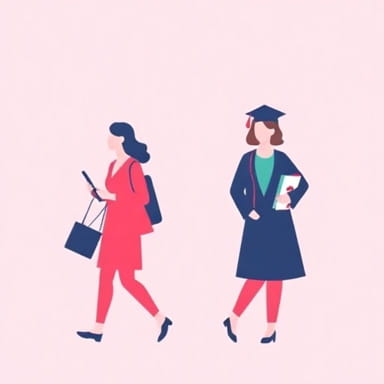
In recent decades, a significant shift has occurred in global education trends women are increasingly outpacing men in academic achievement across multiple levels of education. From elementary school to postgraduate studies, girls and women are demonstrating higher levels of performance, enrollment, and completion rates. This trend reflects changing social attitudes, better access to education, and the growing importance placed on equal opportunities. The rise of women in education not only benefits individuals but also shapes the future of economies and societies worldwide.
Academic Performance from an Early Age
Research shows that girls tend to perform better than boys from early childhood education through primary and secondary schooling. Studies across countries reveal that girls generally score higher in reading, writing, and even science in many cases. This advantage in early performance lays a strong foundation for their future academic success.
Factors Contributing to Early Success
- Better Classroom Behavior– On average, girls tend to be more organized, focused, and cooperative in classroom settings, which contributes to higher academic outcomes.
- Reading Skills– Girls typically develop reading and verbal skills earlier than boys, giving them a head start in subjects that require strong communication.
- Supportive Learning Environments– Schools today are often structured in ways that reward consistent behavior, attention to detail, and participation traits more commonly found among female students.
This early academic edge has long-term implications, influencing subject choices, self-confidence, and future education plans.
University Enrollment and Graduation Trends
In many countries, women now represent the majority of university students. In both developed and developing nations, more women than men are enrolling in and graduating from college-level programs.
Statistics Reflecting the Shift
- In the United States, women have earned more bachelor’s degrees than men every year since the early 1980s.
- In Europe, the gender gap in higher education is even wider, with women making up over 55% of all tertiary education graduates in many EU countries.
- In parts of Asia, Latin America, and Africa, female university enrollment is rising rapidly, often surpassing male enrollment in urban areas.
This dominance is not only in terms of numbers but also in academic achievement. Female students are more likely to complete their degrees on time and with higher grades than their male counterparts.
Changing Gender Norms and Cultural Shifts
Historically, social and cultural barriers limited women’s access to education. In many societies, girls were expected to prioritize domestic roles over schooling. However, changes in gender norms have helped shift this dynamic. Today, many families actively encourage daughters to pursue academic and professional goals.
Key Cultural Drivers
- Policy Support– Governments around the world have launched initiatives to promote girls’ education, from scholarships to awareness campaigns.
- Role Models– Increased visibility of successful women in science, politics, business, and the arts provides inspiration for young girls to pursue higher education.
- Economic Shifts– As economies evolve, there’s greater demand for skilled, educated workers regardless of gender. This creates more incentives for families to invest in their daughters’ education.
These shifts have created a more level playing field, allowing women to not only catch up with men but to surpass them in academic achievement in many regions.
Male Underachievement A Growing Concern
While celebrating women’s progress, educators and policymakers are also paying attention to the growing problem of male underachievement in education. In many systems, boys are more likely to drop out, less likely to attend college, and often perform poorly in reading and writing.
Possible Reasons for the Gap
- Disengagement– Some boys may find traditional classroom settings less engaging or relevant to their interests.
- Social Pressures– In certain communities, academic success is not always encouraged among boys, who may face peer pressure to appear tough or uninterested in school.
- Lack of Male Teachers– Fewer male role models in early education can influence how boys relate to school and authority.
Addressing male underachievement is essential, not to compete with female progress, but to ensure that all students receive the support they need to succeed.
Implications for the Workforce and Economy
The growing academic success of women is reshaping the labor market. More women than ever are entering professional fields, graduate programs, and leadership positions. Education is a key pathway to economic independence and upward mobility, and women are seizing these opportunities.
Positive Impacts
- Diverse Workplaces– Educated women contribute to more inclusive and innovative business environments.
- Higher Household Incomes– When women are educated, entire families and communities benefit economically.
- Improved Societal Outcomes– Education among women is linked to lower child mortality, better health outcomes, and stronger civic engagement.
As women continue to outpace men in education, we may see long-term changes in industry leadership, wage structures, and family dynamics.
Challenges That Remain
Despite these advancements, barriers still exist. Women may lead in classrooms, but they still face obstacles in the workplace, especially in fields like engineering, tech, and leadership roles. Additionally, gender biases and societal expectations can still limit women’s choices and progression.
Areas for Continued Focus
- Closing the STEM Gap– More efforts are needed to encourage girls and women to pursue careers in science, technology, engineering, and mathematics.
- Addressing Pay Inequality– Even educated women continue to earn less than men in many parts of the world.
- Balancing Family and Career– Societal expectations around motherhood and caregiving can impact women’s ability to advance professionally.
These issues remind us that educational success is only one piece of the puzzle. Achieving full gender equality requires progress in other areas too.
Women outpacing men in education is one of the most notable social shifts of the 21st century. It reflects not just academic achievement, but also changing values, improved access to opportunities, and the breaking of historical barriers. While this progress should be celebrated, it also highlights new challenges particularly in supporting boys in education and ensuring that educational success translates into equal opportunities in the workforce. As societies evolve, the focus must remain on providing inclusive, supportive environments where all individuals regardless of gender can thrive and contribute to their fullest potential.