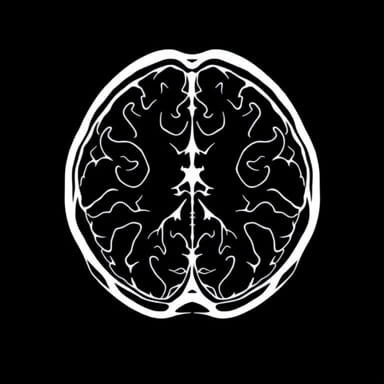
Non Wilsonian Hepatolenticular Degeneration (NHLD) represents a rare group of neurodegenerative disorders affecting the liver and basal ganglia, closely resembling Wilson’s disease but without the hallmark copper metabolism abnormalities. This condition presents unique challenges in diagnosis, particularly in radiology, as imaging plays a critical role in distinguishing it from Wilson’s disease and other neurodegenerative disorders. Early recognition through radiological assessment can guide appropriate management, prevent misdiagnosis, and improve patient outcomes, especially when clinical presentations overlap with other hepatic or neurological disorders.
Definition and Overview
Non Wilsonian Hepatolenticular Degeneration refers to hepatic and neurological changes similar to those seen in Wilson’s disease but occurring without copper accumulation or genetic mutations in the ATP7B gene. Patients often exhibit movement disorders, psychiatric symptoms, and liver dysfunction. The disease is sometimes referred to as idiopathic hepatolenticular degeneration, highlighting the unknown etiology and multifactorial pathogenesis. Unlike Wilson’s disease, serum ceruloplasmin levels, urinary copper excretion, and hepatic copper content remain normal, complicating the diagnostic process.
Clinical Features
Patients with NHLD often present with a combination of neurological and hepatic symptoms. Common manifestations include
- Neurological symptomsTremors, dystonia, bradykinesia, and choreoathetosis are frequently observed. Speech and swallowing difficulties may also occur.
- Psychiatric manifestationsMood disturbances, depression, and cognitive changes can precede motor symptoms.
- Hepatic involvementMild hepatomegaly, elevated liver enzymes, or hepatocellular injury may be present, but without evidence of copper accumulation.
- Ocular findingsUnlike Wilson’s disease, Kayser-Fleischer rings are typically absent, which can aid in differential diagnosis.
Role of Radiology in NHLD
Radiological imaging is pivotal in the evaluation of Non Wilsonian Hepatolenticular Degeneration. Advanced imaging techniques allow for the identification of characteristic changes in the brain and liver that help differentiate NHLD from Wilson’s disease and other neurodegenerative disorders.
Magnetic Resonance Imaging (MRI)
MRI is the primary imaging modality for assessing basal ganglia and other brain structures in NHLD. Key findings include
- Basal ganglia hyperintensityT2-weighted images often show symmetric hyperintensities in the putamen, globus pallidus, and caudate nucleus.
- Thalamic and brainstem involvementAbnormal signals may extend to the thalamus, midbrain, and pons in advanced cases.
- No evidence of copper depositionUnlike Wilson’s disease, susceptibility-weighted imaging or gradient-echo sequences do not reveal paramagnetic effects from copper accumulation.
Computed Tomography (CT)
CT scans are less sensitive than MRI for early neurological changes but can demonstrate structural brain abnormalities in advanced disease. Findings may include
- Basal ganglia hypodensity due to gliosis or necrosis.
- Ventricular enlargement secondary to cerebral atrophy.
- Occasional calcifications in the basal ganglia, which are not typical of Wilson’s disease.
Liver Imaging
Hepatic assessment in NHLD primarily involves ultrasound, CT, or MRI to evaluate liver size and parenchymal changes. Common radiological features include
- Mild hepatomegaly without significant fibrosis or cirrhosis.
- Normal hepatic copper quantification on MRI or specialized sequences.
- Occasional steatosis or non-specific parenchymal heterogeneity.
Differential Diagnosis
Distinguishing NHLD from other disorders is crucial for accurate management. Radiology aids in differentiating it from
- Wilson’s diseaseCharacterized by copper accumulation, Kayser-Fleischer rings, and positive ATP7B mutations. MRI may show face of the giant panda” sign in midbrain, absent in NHLD.
- Other metabolic disordersManganese toxicity and hepatic encephalopathy may produce basal ganglia signal changes but have distinct clinical and biochemical profiles.
- Neurodegenerative diseasesParkinson’s disease, Huntington’s disease, and other extrapyramidal disorders can mimic NHLD clinically, but radiological findings differ in distribution and pattern of basal ganglia involvement.
Laboratory Correlation
Although radiology is central to diagnosis, laboratory evaluation complements imaging by excluding Wilson’s disease and other metabolic disorders. Key points include
- Normal serum ceruloplasmin and 24-hour urinary copper excretion.
- Absence of ATP7B gene mutations.
- Standard liver function tests may show mild abnormalities but are not diagnostic.
- Additional metabolic panels can help rule out manganese toxicity or other hepatic-related neurological conditions.
Management Strategies
Management of Non Wilsonian Hepatolenticular Degeneration is largely symptomatic and supportive, given the absence of targeted chelation therapy. Key approaches include
Neurological Symptom Management
- Use of anticholinergic medications, dopamine agonists, or muscle relaxants for movement disorders.
- Physical therapy to maintain mobility and prevent complications from dystonia or rigidity.
- Occupational therapy to assist with daily activities and improve quality of life.
Hepatic Care
- Monitoring liver function and imaging to assess for progression or complications.
- Supportive care for hepatomegaly or mild liver enzyme elevations.
- Avoidance of hepatotoxic medications and lifestyle modifications to maintain liver health.
Multidisciplinary Approach
Optimal care involves collaboration between neurologists, hepatologists, radiologists, and rehabilitation specialists. Early recognition through imaging allows timely interventions, minimizing functional decline and improving patient outcomes.
Prognosis
Prognosis in NHLD varies depending on the severity of neurological and hepatic involvement. Generally, the disease progresses more slowly than Wilson’s disease and is less likely to cause severe hepatic failure. With supportive care and symptom management, patients can maintain functional independence for many years. Radiological follow-up plays an important role in monitoring disease progression, especially in basal ganglia signal changes and liver morphology.
Non Wilsonian Hepatolenticular Degeneration represents a unique diagnostic challenge due to its clinical similarity to Wilson’s disease and other neurodegenerative disorders. Radiology, particularly MRI, is central to identifying characteristic basal ganglia changes and excluding copper accumulation, guiding accurate diagnosis. Early recognition, laboratory correlation, and a multidisciplinary approach ensure appropriate symptom management and favorable long-term outcomes. As research advances, understanding the pathophysiology and radiological markers of NHLD will improve diagnostic accuracy, patient care, and quality of life for affected individuals.