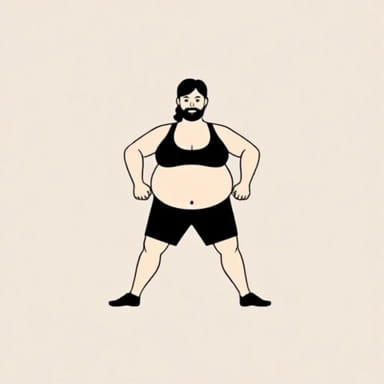
Exercise for overweight and unfit individuals is a crucial step toward improving overall health, increasing energy levels, and reducing the risk of chronic diseases. Many people who are overweight or have low fitness levels may feel intimidated by traditional exercise routines, but with proper guidance and gradual progression, physical activity can become manageable and even enjoyable. Engaging in the right types of exercises can help build stamina, improve cardiovascular health, strengthen muscles, and support weight management while minimizing the risk of injury.
Understanding the Importance of Exercise for Overweight and Unfit Individuals
Exercise is not just about losing weight; it is about enhancing physical and mental well-being. Overweight and unfit individuals often face increased risks of heart disease, diabetes, joint problems, and decreased mobility. Incorporating regular exercise helps improve insulin sensitivity, lowers blood pressure, strengthens the heart and lungs, and supports joint health. Additionally, exercise has mental health benefits, including reducing stress, improving mood, and boosting self-esteem, which are particularly important for those starting their fitness journey.
Choosing the Right Type of Exercise
Selecting exercises suitable for overweight and unfit individuals is critical for safety, motivation, and effectiveness. Low-impact activities that minimize strain on joints are ideal for beginners.
1. Walking
Walking is one of the simplest and most accessible forms of exercise. It requires no special equipment and can be done anywhere. Start with short durations, such as 10-15 minutes, and gradually increase to 30-60 minutes. Walking improves cardiovascular fitness, burns calories, and strengthens leg muscles.
2. Swimming and Water Aerobics
Water exercises are gentle on the joints while providing resistance that strengthens muscles. Swimming and water aerobics are excellent options for overweight individuals, helping improve endurance, flexibility, and overall body strength without causing joint pain.
3. Cycling
Stationary or outdoor cycling is a low-impact exercise that enhances cardiovascular health and strengthens the lower body. Begin with short sessions and moderate intensity, gradually increasing duration as fitness improves.
4. Resistance Training
Strength training using bodyweight, resistance bands, or light weights helps build muscle mass, which increases metabolism and supports weight management. Focus on major muscle groups and perform 2-3 sessions per week with proper rest in between.
5. Chair Exercises
For individuals with limited mobility or severe obesity, chair exercises provide a safe starting point. These exercises can include seated leg lifts, arm curls, or seated marching to gently build strength and flexibility.
Designing a Safe and Effective Exercise Routine
When creating an exercise routine for overweight and unfit individuals, it is important to prioritize safety and gradual progression to avoid injury or discouragement.
- Start SlowlyBegin with low-intensity exercises and gradually increase intensity and duration.
- Set Realistic GoalsFocus on achievable milestones such as walking a certain distance or completing a short workout routine consistently.
- Incorporate VarietyMix cardio, strength, and flexibility exercises to prevent boredom and promote overall fitness.
- Listen to Your BodyRest when needed and avoid pushing through pain, particularly in joints or muscles.
- Monitor ProgressTrack improvements in endurance, strength, and overall health rather than solely focusing on weight loss.
Benefits of Exercise for Overweight and Unfit Individuals
Consistent exercise brings a wide range of benefits, particularly for those who are overweight or unfit. These include
- Improved cardiovascular health and reduced risk of heart disease
- Enhanced muscle strength and endurance
- Better joint flexibility and reduced pain from arthritis or obesity-related stress
- Support for weight management and increased metabolism
- Improved mood, reduced anxiety, and better stress management
- Enhanced energy levels and daily functional ability
Overcoming Common Challenges
Starting an exercise routine can be challenging for overweight and unfit individuals. Common obstacles include lack of motivation, physical discomfort, or fear of injury. Strategies to overcome these challenges include
- Exercising with a friend or joining group classes to maintain accountability
- Choosing enjoyable activities to increase adherence
- Wearing proper footwear and supportive clothing to prevent discomfort
- Breaking exercise into shorter sessions throughout the day if long sessions feel overwhelming
- Seeking guidance from a certified personal trainer or physical therapist specializing in weight management
Incorporating Lifestyle Changes Alongside Exercise
Exercise alone is not always sufficient for achieving optimal health. Combining physical activity with other lifestyle modifications enhances results and overall well-being. These include
- Adopting a balanced diet rich in whole foods, lean proteins, fruits, and vegetables
- Staying hydrated and limiting sugary beverages
- Getting adequate sleep to support recovery and hormonal balance
- Reducing sedentary behavior by taking breaks to move throughout the day
- Managing stress through mindfulness, meditation, or gentle stretching exercises
Exercise for overweight and unfit individuals is a powerful tool for improving physical and mental health, supporting weight management, and enhancing quality of life. By starting with low-impact, safe activities such as walking, swimming, cycling, and resistance training, individuals can gradually build stamina, strength, and confidence. Designing a personalized routine, setting realistic goals, and addressing common challenges helps ensure long-term adherence and success. When combined with healthy lifestyle habits, regular exercise can transform health outcomes, increase energy, reduce the risk of chronic disease, and foster a sense of accomplishment and well-being for individuals at any fitness level.