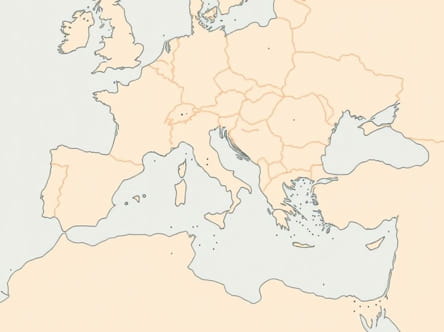
Located in the western part of modern-day Turkey, Ephesus is an ancient city that once stood as a prominent center of culture, trade, and religion. It is one of the most well-preserved and frequently visited archaeological sites in the world. Many travelers and history enthusiasts often wonder where exactly Ephesus is on a map, especially considering its historical significance during the Greek and Roman eras. Understanding its precise geographical location helps give context to its ancient importance and enduring legacy.
Geographic Coordinates and General Location
Position on the Map
Ephesus is located near the western coast of Turkey, close to the Aegean Sea. Specifically, it lies in the İzmir Province, within the Selçuk district. The approximate geographic coordinates of Ephesus are 37.9390° N latitude and 27.3411° E longitude. This places it a short distance inland from the modern coastal town of Kuşadası and around 70 kilometers (43 miles) south of the major city of İzmir.
Ancient Region of Ionia
In antiquity, Ephesus was part of the historical region of Ionia, which encompassed parts of the central western coast of Anatolia. The Ionian cities were known for their advances in science, philosophy, and the arts. Ephesus stood out among these cities due to its strategic coastal location and its temple dedicated to Artemis, which was one of the Seven Wonders of the Ancient World.
Nearby Landmarks and Modern Access Points
Selçuk The Nearest Town
The closest town to Ephesus today is Selçuk, which serves as a gateway for tourists visiting the ancient site. Selçuk is easily accessible by road and rail and has various accommodations, restaurants, and transport options for visitors. The ruins of Ephesus are located just a few kilometers from the town center, making it a convenient starting point for exploration.
Proximity to İzmir and Kuşadası
- İzmirOne of Turkey’s largest cities and a major transport hub. İzmir Adnan Menderes Airport is the nearest international airport to Ephesus, located about 60 kilometers away.
- KuşadasıA popular coastal resort town located approximately 20 kilometers from Ephesus. Many cruise ships dock here, and guided tours often include a visit to the archaeological site.
Understanding the Historical Map of Ephesus
Location in Ancient Times
In ancient times, Ephesus was located right along the coastline of the Aegean Sea. However, due to centuries of sedimentation and shifting landscapes, the site is now several kilometers inland. The Cayster River (known today as the Küçük Menderes River) played a significant role in altering the geography of the region by depositing silt that eventually pushed the shoreline away from the city.
Role as a Port City
Its location near a natural harbor made Ephesus a thriving port and commercial hub in the ancient world. Goods from Asia, Europe, and Africa passed through its markets. Even though the sea has receded, ancient remains such as the harbor street and warehouses still provide clues about its once-bustling maritime activity.
Map Context Within Turkey and the Aegean Region
Turkey’s Western Aegean Region
Ephesus lies within Turkey’s Aegean Region, known for its mild Mediterranean climate, fertile lands, and numerous historical ruins. This area is one of the most archaeologically rich parts of the country. On a map of Turkey, you will find Ephesus toward the western edge, not far from the curved coastline that outlines the Aegean Sea.
How to Locate Ephesus on Different Types of Maps
- Political MapsLook for the İzmir Province, and then locate Selçuk. Ephesus is just south of this town.
- Tourist MapsEphesus is usually highlighted with symbols denoting archaeological sites, often near Kuşadası or labeled under UNESCO heritage zones.
- Topographic MapsYou will find elevation changes and ancient structures marked around the Ephesus valley, close to the modern hills of Ayasuluk.
Famous Structures to Locate Within the Site
Key Monuments in Ephesus
When exploring a detailed map of the ancient city itself, you will find a range of well-known historical landmarks
- Library of CelsusOne of the most photographed ruins, formerly a grand library with ornate facades.
- Great TheatreCapable of seating around 25,000 spectators, this large amphitheater is still largely intact.
- Temple of ArtemisOnce considered one of the Seven Wonders of the Ancient World, only ruins remain today, located near the Ephesus Archaeological Museum.
- Harbor StreetAlso known as Arcadiane Street, this road once connected the harbor to the heart of the city.
Surrounding Attractions
In addition to the main site, maps of the region may also show nearby attractions such as the House of the Virgin Mary, located on Mount Koressos, and the Basilica of St. John in Selçuk. These sites add further historical depth to the region and attract pilgrims and tourists alike.
How to Use GPS or Digital Maps to Find Ephesus
Using Navigation Tools
Modern GPS tools like Google Maps or navigation apps can easily guide users to Ephesus. Entering Ephesus Ancient City or Efes Antik Kenti (its Turkish name) into the search bar will provide directions and an overview of the site’s layout.
Map Integration With Travel Apps
Many travel applications offer downloadable offline maps of Ephesus, which include walking paths, key monuments, and rest areas. These are especially useful for visitors who want to explore independently without a guide.
Why Location Matters for Historical Context
Strategic Importance
Ephesus’s strategic location on the western coast of Asia Minor allowed it to flourish economically and culturally. Its position on major trade routes connected it to cities like Athens, Rome, and Alexandria, which contributed to its wealth and diverse population.
Religious and Cultural Hub
In addition to commerce, the city became a religious center. It was home to significant Christian history, including associations with the Apostle Paul and the early church. Its geographical position helped it become a melting pot of beliefs, ideas, and architectural styles.
To find Ephesus on a map, you should look to the western coast of Turkey, in the region surrounding Selçuk in İzmir Province. Once a bustling port city on the Aegean Sea, it now rests slightly inland due to natural geographic changes. Understanding where Ephesus is located enriches any visit to the site, connecting its stunning ruins with the larger story of its historical and cultural significance. Whether you’re a traveler, student, or history enthusiast, locating Ephesus on a map adds valuable context to this extraordinary city of the ancient world.