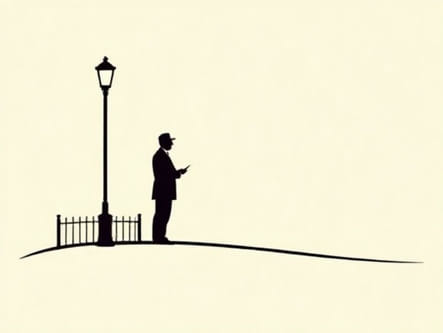
Charles Dickens’ The Signalman” is a chilling short story that explores themes of fate, supernatural warning, and the psychological toll of isolation. The narrative revolves around a railway signalman who encounters eerie visions and receives mysterious warnings that foretell tragic events. Dickens skillfully blends elements of Gothic horror with psychological drama to create a suspenseful tale that captivates readers. The story delves into the human mind’s struggle to make sense of unexplained phenomena and the fear that accompanies foreknowledge of disaster.
Introduction to the Story
“The Signalman” is set near a remote railway cutting, where the signalman works in a lonely signal box overlooking a tunnel entrance. The story is told through the perspective of an unnamed narrator who visits the signalman after hearing about strange occurrences reported at the location. The isolated setting and the mysterious atmosphere establish a sense of suspense that builds throughout the narrative.
The Meeting Between Narrator and Signalman
- The narrator describes the signalman’s melancholy and anxious demeanor.
- The signalman shares his experiences of ghostly apparitions.
- The conversation reveals the signalman’s fear and confusion over these supernatural warnings.
The narrator listens intently as the signalman recounts his disturbing encounters, setting the stage for the unfolding mystery.
The Signalman’s Visions
The core of the story revolves around the signalman’s repeated sightings of a ghostly figure that appears near the tunnel entrance. Each apparition seems to serve as a warning of impending disasters on the railway.
First Vision
The signalman describes seeing a figure waving and beckoning him at the mouth of the tunnel. The gesture is unsettling, and the signalman struggles to understand its meaning.
Second Vision
The apparition returns, this time with a gesture of covering its face, conveying a sense of sorrow or dread. This vision deepens the signalman’s anxiety.
The Mysterious Warning
The signalman believes these visions are premonitions linked to tragic events involving the railway. His sense of duty drives him to stay vigilant, but the visions also isolate him further from others.
The Psychological Impact on the Signalman
Throughout the story, Dickens explores the mental and emotional toll these supernatural experiences have on the signalman. The loneliness of his job exacerbates his fear and uncertainty.
Isolation and Fear
The signalman’s solitary position makes it difficult for him to share his fears or seek comfort. His psychological state deteriorates as the visions continue, and he becomes increasingly consumed by dread.
Desire for Understanding
Despite his fear, the signalman yearns to comprehend the purpose of the warnings and their connection to actual events. His efforts to rationalize the visions highlight the human need for meaning in the face of the unknown.
Foreshadowing and Suspense
Dickens expertly uses foreshadowing to build suspense throughout the story. The signalman’s descriptions of his visions and the narrator’s observations hint at tragic outcomes that slowly come into focus.
Symbolism of the Tunnel
The tunnel represents a threshold between safety and danger, the known and the unknown. The signalman’s position at its entrance symbolizes his role as a guardian who is powerless against fate.
The Role of the Bell
The signalman mentions a mysterious bell sound that he cannot explain. The bell’s ominous tone serves as a supernatural signal and heightens the eerie atmosphere.
Climactic Events and Resolution
As the story reaches its climax, the narrator learns of a tragic railway accident at the very spot the signalman warned about. The signalman’s visions are revealed to be premonitions of real events, blurring the line between reality and the supernatural.
The Signalman’s Fate
In a haunting conclusion, the signalman himself becomes a victim of the tragedy. His death mirrors the warnings he received, underscoring the inevitability of fate and the limits of human agency.
The Narrator’s Reflection
The story ends with the narrator contemplating the mysterious and tragic events, leaving readers to ponder the nature of fate, supernatural communication, and the human psyche.
Thematic Analysis
“The Signalman” touches on several profound themes that contribute to its enduring appeal and relevance.
Fate and Predestination
The story questions whether fate is unavoidable or if foreknowledge offers any chance to change destiny. The signalman’s warnings do not prevent disaster, suggesting a tragic inevitability.
Isolation and Mental Health
Dickens portrays how isolation and stress can impact mental health. The signalman’s loneliness amplifies his fears and contributes to his tragic end.
Supernatural vs. Rationality
The tension between supernatural experiences and rational explanation is central to the story. The signalman’s visions challenge the boundaries of reason, leaving both him and the reader uncertain about the truth.
Literary Style and Impact
Dickens uses a first-person narrative combined with vivid descriptions and atmospheric detail to create a suspenseful and immersive story. The use of dialogue and the gradual revelation of events maintain reader engagement and build emotional tension.
Use of Gothic Elements
The eerie setting, ghostly apparitions, and themes of doom align with Gothic literary traditions, enhancing the story’s haunting mood.
Psychological Realism
The signalman’s inner turmoil is portrayed with psychological depth, making his fears relatable and compelling.
“The Signalman” by Charles Dickens is a masterful blend of supernatural suspense and psychological drama. Through the tragic story of a lonely railway signalman haunted by mysterious visions, Dickens explores themes of fate, isolation, and the limits of human understanding. The narrative’s rich atmosphere, symbolic elements, and emotional depth continue to captivate readers, making it a timeless piece in the canon of ghost stories and psychological fiction.