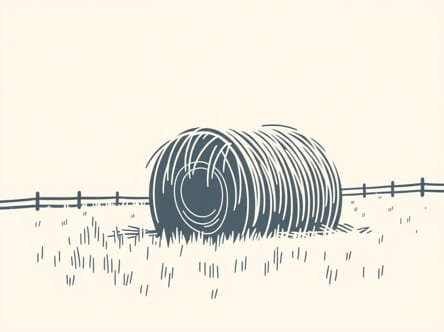
Driving through the countryside, especially in summer, one can’t help but notice golden bales scattered across open fields. This is hay cut, dried, and carefully arranged for use in feeding livestock. On the country roads, hay in the country is more than just a seasonal sight; it represents a rhythm of rural life, a symbol of agriculture, and a critical resource for farming. Its presence connects communities to nature, sustainability, and the longstanding practices that continue to shape rural economies and traditions.
What Is Hay?
Hay is a type of animal fodder made primarily from grasses, legumes, or other herbaceous plants that have been cut and dried. It is distinct from straw, which is a byproduct of cereal crops and used mostly for bedding rather than feeding. Hay is a key element in animal husbandry, especially in areas where pastures are not available year-round due to seasonal changes or climate conditions.
Common Types of Hay
- Timothy Hay– Popular for horses, it has a high fiber content and balanced nutrition.
- Alfalfa Hay– Rich in protein and calcium, commonly used for dairy cattle and goats.
- Clover Hay– Nutritious but often mixed with grass hays for better balance.
- Orchard Grass– Palatable and soft, used for a variety of animals.
Farmers choose the type of hay depending on the livestock they are feeding, the soil quality, and the local climate. Hay in the country is more than just dry grass; it’s a carefully grown and managed crop that supports animals through the colder months.
The Process of Making Hay
In rural communities, haymaking is both a science and an art. Timing, weather, and equipment all play crucial roles in producing quality hay. Here’s an overview of how hay is produced
1. Growing
The process begins with planting the right mix of grasses or legumes. Fields are usually seeded in spring or fall and require proper soil preparation and fertilization.
2. Cutting
Hay is cut when it reaches optimal maturity usually just before full bloom for maximum nutrients. This is often done with a mower or swather.
3. Drying (Curing)
Once cut, the hay is left to dry in the field. This stage is crucial; hay that’s baled while still wet can mold or spontaneously combust due to internal heat buildup.
4. Raking
After drying, the hay is raked into windrows to make it easier to pick up during baling and to help finish the drying process evenly.
5. Baling
When the hay is sufficiently dry, it is baled using machinery. Bales can be small squares, large rounds, or massive rectangular blocks depending on storage needs and the type of livestock.
The Importance of Hay in the Country
For people living in urban areas, hay might seem like an afterthought. But in rural regions, it is a major part of agricultural life. Its importance lies in both its economic and ecological roles.
Feeding Livestock
In areas where animals cannot graze during winter or droughts, hay serves as a primary source of nutrition. Horses, cows, goats, sheep, and rabbits all depend on hay to stay healthy year-round.
Economic Value
Hay farming supports local economies. Many small farms produce hay both for their own animals and for sale to others. Some farmers even specialize in high-quality hay for export, especially in regions where local production is insufficient.
Land Management
Growing hay is also beneficial for soil conservation. It reduces erosion, improves soil structure, and encourages biodiversity when rotational grazing or natural grasslands are used.
Hay Storage and Transportation
Storing hay properly is just as important as growing it. Poorly stored hay can become moldy or infested with pests, leading to economic losses and health problems for animals.
Storage Methods
- Barn Storage– Protects from rain, sun, and rodents. Ideal for smaller bales.
- Outdoor Stacking with Tarps– Common for large round bales. Less expensive but requires careful covering.
- Wrapped Bales (Silage)– Some hay is baled wet and wrapped in plastic to ferment. This process creates haylage, a moist, fermented feed product.
Transporting hay in the country also plays a vital role. Trucks and trailers frequently move hay from fields to barns or from rural farms to urban buyers. This movement of hay connects rural production with wider markets.
Challenges of Hay Production
Although hay in the country is essential, it’s not without its difficulties. Farmers must deal with a variety of challenges each season.
Weather Dependence
Rain during cutting or drying can ruin a batch of hay. Extended wet periods reduce yield and delay harvest.
Pest and Disease Control
Insects like armyworms and diseases like blight can damage hay crops. Farmers often use integrated pest management techniques to protect their fields.
Equipment Costs
Modern haymaking equipment is expensive. Tractors, balers, rakes, and mowers require maintenance and fuel, which adds to the cost of production.
Environmental and Cultural Significance
Beyond its practical use, hay in the country carries cultural and environmental importance. The image of hay bales in a field is often associated with the peaceful simplicity of rural life. Hayrides, harvest festivals, and rustic decorations often include hay as a symbol of agricultural abundance.
Environmentally, hay fields can serve as habitats for wildlife, especially when grown using sustainable practices. Native grasses and rotational fields support birds, pollinators, and other beneficial species.
Hay in the country is far more than a background detail on a scenic drive. It’s a critical component of rural life, sustaining animals, supporting farmers, and enriching the landscape. From planting to baling, the process of haymaking reflects a deep connection to nature and community. Understanding hay what it is, how it’s made, and why it matters provides insight into the agricultural heartbeat of the countryside. Whether you’re a farmer, a gardener, or just a curious observer, recognizing the value of hay enriches our appreciation for the hard work that feeds the world.