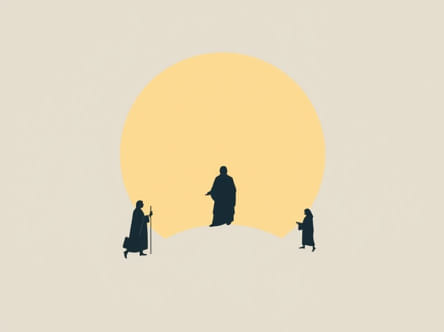
The phrase Whither the Fates carry us captures a sense of surrender to destiny and the unknown forces that guide human life. It suggests that no matter how much we plan, certain aspects of our journey are determined by forces beyond our control. Rooted in ancient literary and philosophical traditions, this expression invites reflection on fate, free will, and the unfolding path of our lives. Understanding its meaning involves exploring both its historical background and its relevance in modern thinking about destiny.
Origin and Context of the Phrase
The word whither is an old English term meaning to what place or to where. When combined with the Fates, it refers to the direction or outcome determined by fate. In classical mythology, the Fates were three goddesses Clotho, Lachesis, and Atropos responsible for spinning, measuring, and cutting the thread of human life. They symbolized the idea that human destiny was woven long before it unfolded in reality.
In literature, Whither the Fates carry us often appears in contexts of uncertainty or resignation, where the speaker acknowledges that their path is no longer in their own hands. This expression reflects a worldview in which fate is an undeniable force, steering human lives toward inevitable ends.
The Role of the Fates in Mythology
In Greek and Roman mythology, the Fates known as the Moirai in Greek culture were believed to be more powerful than even the gods in determining the course of life. Each goddess played a specific role
- Clothospun the thread of life, representing birth and beginnings.
- Lachesismeasured the thread, symbolizing the span of a person’s life.
- Atroposcut the thread, signifying death and the end of one’s earthly journey.
The phrase Whither the Fates carry us draws on this imagery to evoke the inevitability of life’s unfolding events.
Philosophical Implications
Philosophers and poets have long debated the balance between fate and free will. This expression leans toward the belief that fate plays a decisive role in our lives. However, it does not necessarily reject human agency. Rather, it recognizes that while we can make choices, larger forces often shape the results.
In Stoic philosophy, for example, the wise person accepts what fate brings, focusing on virtue and moral integrity rather than resisting inevitable outcomes. This aligns closely with the sentiment expressed in Whither the Fates carry us, which emphasizes trust in the journey even when the destination is uncertain.
Use in Literature
Writers have used this phrase to convey moments of surrender, acceptance, or reflection. It can appear in epic poetry, philosophical prose, or dramatic narratives where characters acknowledge that their path is guided by forces they cannot control.
For example, a character facing a dangerous voyage might utter this phrase as a way of accepting whatever outcome awaits them be it triumph, tragedy, or transformation. This literary device deepens the emotional impact by connecting personal experiences to universal truths about destiny.
Modern Interpretations
In contemporary contexts, Whither the Fates carry us can be interpreted metaphorically to describe the unpredictability of life. It can refer to career changes, relationships, personal challenges, or global events that alter our course unexpectedly.
Modern readers might relate it to
- Embracing unexpected opportunities
- Coping with sudden changes or losses
- Trusting the process during uncertain times
Even without belief in literal mythological Fates, the phrase resonates as a poetic way to describe life’s uncertainties.
Connection to Fate and Destiny in Culture
Across cultures, the concept of fate appears in different forms karma in Hindu and Buddhist traditions, providence in Christian theology, and predestination in Islamic thought. All of these ideas share a recognition that human life is shaped by forces beyond our direct control.
Whither the Fates carry us fits within this broader cultural framework, expressing a universal human experience the journey into the unknown.
Balancing Fate and Free Will
While the phrase emphasizes fate, it does not erase the role of personal action. One way to interpret it is as an invitation to make meaningful choices while accepting that the final outcome might still be shaped by forces we cannot foresee.
This balance is at the heart of many philosophical traditions. We can
- Act with intention and purpose
- Prepare for various outcomes
- Accept the twists and turns of the journey with resilience
By living this way, we honor both our agency and the mysterious unfolding of life’s path.
Symbolism and Emotional Impact
The emotional power of Whither the Fates carry us lies in its blend of mystery and inevitability. It invites humility, reminding us that despite our efforts to control every detail, life often has its own plan.
This recognition can be both comforting and unsettling. Comforting, because it releases us from the burden of complete control; unsettling, because it forces us to confront our vulnerability to the unknown.
Practical Lessons from the Phrase
Beyond its literary and philosophical beauty, this phrase offers practical wisdom
- AcceptanceSome events cannot be changed, only accepted.
- AdaptabilityBeing flexible allows us to adjust to new directions.
- MindfulnessFocusing on the present helps us navigate uncertainty with clarity.
These lessons are as valuable today as they were in the times when myth and poetry first gave voice to them.
Whither the Fates carry us is more than an old-fashioned phrase; it is a timeless reminder of the interplay between destiny and choice. Rooted in the mythology of the Fates, it speaks to the universal human experience of moving forward into an uncertain future. It encourages acceptance of life’s unpredictability while still honoring our power to act meaningfully within it. Whether used in literature, philosophy, or personal reflection, this expression continues to inspire a thoughtful approach to life’s unfolding journey.