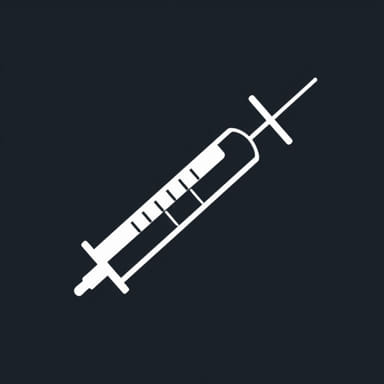
Understanding the parts of a syringe and needle is essential for healthcare professionals, students, and anyone interested in medical procedures. Syringes and needles are fundamental tools used for administering medications, vaccines, and drawing blood. Despite their simple appearance, these instruments are carefully designed to ensure accuracy, safety, and efficiency. Each component has a specific function, contributing to the overall performance and reliability of injections. Familiarity with these parts helps reduce errors, prevent infections, and enhance patient comfort during medical procedures.
Parts of a Syringe
Barrel
The barrel is the main body of the syringe and is typically made of clear plastic or glass. It is a cylindrical tube that holds the liquid medication or fluid to be injected. The barrel has measurement markings, usually in milliliters (mL) or cubic centimeters (cc), allowing healthcare providers to measure the precise volume of fluid to be administered. Accurate measurement is crucial to ensure the correct dosage and avoid over- or under-dosing.
Plunger
The plunger is a movable component that fits tightly inside the barrel. By pulling the plunger back, the syringe can draw fluid into the barrel, and by pushing it forward, it expels the fluid through the needle. The plunger often has a rubber stopper at the end to create a seal, ensuring that liquid does not leak during the injection process. The smooth operation of the plunger is important for controlled administration of medication.
Needle Hub Connection
The needle hub connection is the part of the syringe where the needle is attached. Some syringes use a Luer lock mechanism, which allows the needle to be securely twisted onto the syringe, preventing accidental detachment. Others may have a Luer slip design, where the needle is pushed onto the syringe without twisting. The connection must be secure to maintain sterility and prevent leakage during injection.
Flange
The flange is located at the open end of the barrel, opposite the needle connection. It provides a surface for the fingers to rest while pushing or pulling the plunger. The flange ensures a stable grip, giving the user better control over the injection process. This is especially important when precise dosage delivery is required, such as in insulin administration or pediatric injections.
Parts of a Needle
Hub
The hub is the base of the needle that attaches to the syringe. It is usually color-coded to indicate the gauge or thickness of the needle. The hub provides stability and ensures a secure connection to the syringe. Different hub designs, such as Luer lock or Luer slip, affect how the needle is connected and removed safely.
Shaft
The shaft is the long, thin metal part of the needle that penetrates the skin and tissue. It is typically made of stainless steel, ensuring strength and durability. The length and gauge of the shaft vary depending on the type of injection. For example, intramuscular injections require a longer needle, while subcutaneous injections use a shorter one. The shaft must be smooth and precise to minimize pain and tissue damage.
Bevel
The bevel is the angled tip of the needle that allows it to easily penetrate the skin. The angle and sharpness of the bevel affect the comfort of the injection. A properly designed bevel reduces tissue trauma and pain for the patient. Needles may have single or multiple bevels depending on their intended use, such as standard injections or specialized procedures like drawing blood.
Lumen
The lumen is the hollow interior of the needle through which fluid flows. The diameter of the lumen is determined by the needle gauge. A larger gauge number indicates a thinner needle, which is generally less painful but may require more time to deliver medication. The lumen ensures smooth and consistent flow of fluid from the syringe to the patient’s body.
Safety Features
Modern needles often include safety features designed to reduce the risk of needle-stick injuries. These may include retractable needles, protective caps, or shields that cover the needle after use. Safety mechanisms are particularly important in healthcare settings to protect medical staff from exposure to bloodborne pathogens.
Additional Considerations
Material and Sterility
Syringes and needles must be made from biocompatible materials that do not react with the medication or the body. Plastic barrels are commonly disposable, while glass barrels may be reusable under strict sterilization protocols. All components must remain sterile until use to prevent infections. Single-use syringes are widely preferred to maintain hygiene and prevent cross-contamination.
Gauge and Length Selection
Choosing the appropriate needle gauge and length is essential for safe and effective injections. Gauge selection depends on the type of medication, the volume to be injected, and the injection site. Thicker medications may require larger gauge needles, while thinner medications are administered with smaller gauges. The needle length must match the target tissue depth to ensure proper absorption and minimize complications.
Maintenance and Disposal
Proper handling, storage, and disposal of syringes and needles are critical to maintaining safety. Used needles should be disposed of in puncture-resistant sharps containers to prevent accidental injury. Healthcare providers should also follow guidelines for safe handling and never recap needles to avoid needle-stick accidents. Maintaining a clean environment and adhering to safety protocols ensures optimal outcomes and protects both patients and medical staff.
The syringe and needle are indispensable tools in healthcare, and understanding their parts is fundamental for anyone involved in medical procedures. From the barrel and plunger to the needle hub, shaft, and bevel, each component plays a vital role in ensuring accurate, safe, and effective administration of medications. Awareness of these parts, along with proper selection, handling, and disposal, enhances patient comfort, reduces risks, and promotes best practices in medical care. Knowledge of syringe and needle anatomy is not just a technical detail it is a key factor in achieving safe and successful healthcare outcomes.
By understanding the parts of a syringe and needle, healthcare professionals can deliver medications more safely, minimize pain for patients, and ensure that medical procedures are carried out efficiently. This knowledge is essential for improving both patient outcomes and overall safety in clinical settings.