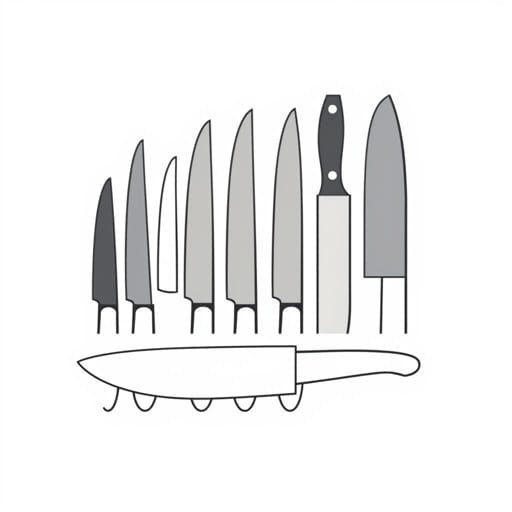
A case of knives may sound like a simple kitchen accessory or a collector’s prize, but the phrase carries different meanings depending on context. From professional chefs to outdoor enthusiasts, and even within criminal investigations or literature, a case of knives holds various forms and significance. Whether it refers to a protective container for cutlery, a metaphor in storytelling, or something darker in nature, this topic opens a sharp discussion pun intended about the roles knives play in everyday life and human culture. Understanding its uses, implications, and symbolism helps us appreciate its practicality while remaining aware of its layered meanings.
What Is a Case of Knives?
At its most basic, a case of knives refers to a storage or carrying container that holds multiple knives. Typically, it is designed for protection, convenience, and organization. Commonly used by chefs, hunters, and craftsmen, a knife case ensures that blades remain sharp, accessible, and safe during transport or storage.
Types of Knife Cases:
- Chef’s knife rolls Soft, foldable cases used by culinary professionals
- Hard cases Sturdy boxes with foam inserts for outdoor or tactical knives
- Display cases Glass-fronted wooden boxes used by collectors
- Tool kits Multi-purpose containers including knives with other gear
Materials used for these cases range from leather and canvas to plastic and metal, each serving different needs in durability and aesthetic. Regardless of the setting, a case of knives offers secure transportation and elegant storage for valuable tools.
Utility and Importance in Culinary Arts
In the kitchen, especially in professional settings, having a case of knives is essential. Chefs often travel with their own knife sets, customized to suit their cooking style and preferences. These cases keep tools clean, organized, and ready for use.
Common Knives in a Chef’s Case:
- Chef’s knife All-purpose and essential for slicing, chopping, and mincing
- Paring knife Ideal for peeling and detailed work
- Boning knife Used for removing bones from meat and fish
- Bread knife Serrated blade for cutting through crusty loaves
- Santoku or utility knife Compact and multipurpose for precision tasks
A high-quality knife case not only protects these blades but also reflects the professionalism and pride of the chef. In many culinary schools and competitions, showing up with your own case of knives is standard and expected.
A Case of Knives in Literature and Symbolism
Beyond its practical use, the phrase a case of knives has been employed metaphorically in literature and art. It can suggest a collection of hidden truths, emotional sharpness, or the presence of danger. Knives themselves often symbolize power, betrayal, or survival, and when grouped together in a case, they may imply tension or readiness.
In some crime novels or dramas, a case of knives can be both a literal object and a narrative device used as evidence, a weapon, or a clue to someone’s character. The cold glint of steel, lined up in a box, can represent control, threat, or discipline.
Symbolic Themes Associated with Knives:
- Conflict and violence
- Precision and mastery
- Trust and betrayal
- Protection and danger
Writers often play with these themes to enrich their storytelling. A case of knives could appear in a suspenseful scene, hidden in plain sight, or serve as a metaphor for internal struggle or buried secrets.
Knives as Collectibles and Heirlooms
Some individuals view a case of knives not as tools, but as valuable collectibles. These might include antique blades, hand-forged pieces, or knives with historical significance. Cases are custom-built to house each item securely and display them with pride.
Collectors often seek knives from specific regions, periods, or artisans. In some cultures, knives are passed down through generations as heirlooms, symbolizing strength, skill, and family legacy. A beautifully crafted case of knives can thus hold sentimental and cultural value beyond its monetary worth.
Popular Knife Collections:
- Japanese kitchen knives (e.g., Gyuto, Nakiri)
- Vintage military knives
- Custom hunting knives
- Traditional folding knives with engraved handles
Each knife in a collector’s case tells a story about craftsmanship, function, and the people who used it. Displaying such a case invites conversation and admiration for the intricate blend of form and function.
Knives in Crime and Investigation
In forensic and criminal contexts, a case of knives can take on a darker meaning. When knives are found at a crime scene, especially in an organized case, investigators analyze their placement, usage, and possible links to the suspect. The presence of multiple blades may indicate premeditation or a collector’s involvement.
Forensic experts examine details such as fingerprints, blade length, residue, and blood spatter to understand how a knife was used. A case containing a variety of knives may raise questions: Were they tools or weapons? Was the case for utility or concealment?
Investigative Uses of Knife Cases:
- Tracing ownership through registration or purchase history
- Analyzing patterns of cuts and wounds
- Comparing blade shapes with injuries or evidence
- Linking similar knives to multiple incidents
While most cases of knives are innocent and professional, in law enforcement, context matters. What is protective in a kitchen might be suspicious in an abandoned warehouse. Understanding that contrast is crucial.
Travel and Legal Considerations
Owning a case of knives also comes with responsibility. Different countries, states, and cities have strict regulations regarding carrying, transporting, and using knives. Even chefs and tradespeople must follow specific guidelines to avoid legal issues.
General Legal Guidelines:
- Knives should be stored securely and not carried openly in public
- Length and type restrictions apply in many regions
- Justification for possession may be required (e.g., culinary student, tradesman)
- Some knives are classified as prohibited weapons
Before traveling with a case of knives, it’s essential to check local laws and airline policies. Even a well-packed chef’s roll can be flagged by security if not declared properly. Responsible ownership includes knowing how and where to carry your tools legally and safely.
More Than Just Blades in a Box
A case of knives is not a simple object it’s a reflection of utility, craftsmanship, symbolism, and sometimes danger. Whether you’re a chef transporting your favorite blades, a collector preserving tradition, or a reader drawn to the metaphor in a thriller, the concept touches multiple layers of culture and purpose. The care with which knives are selected, stored, and displayed tells us as much about the owner as it does about the tools themselves.
Sharp, precise, and often beautiful, knives carry stories. When housed in a dedicated case, those stories are preserved, organized, and ready for use whether in the kitchen, the wild, or the imagination. In understanding the meaning behind a case of knives, we uncover far more than steel and leather. We find purpose, identity, and a cutting edge that defines both function and meaning.