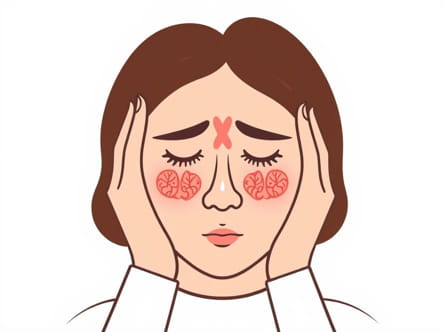
Sinus headaches and pressure can be extremely uncomfortable and often interfere with your daily life. The feeling of fullness around your cheeks, forehead, and eyes can make even the simplest tasks difficult. Whether it’s triggered by allergies, a cold, or sinus infection, this type of headache is usually caused by inflammation and congestion in the sinus passages. Understanding the best medicine for sinus headache and pressure can help you find quick and lasting relief. The right treatment depends on the cause, severity, and symptoms you experience, and it’s important to know your options to manage the pain effectively.
Understanding Sinus Headaches
A sinus headache is typically the result of inflamed or blocked sinuses. This condition causes pressure to build up in your nasal cavities, leading to pain in the forehead, cheeks, and around the eyes. It may also be accompanied by symptoms such as nasal congestion, facial tenderness, fatigue, and a stuffy nose. These headaches are different from migraines or tension headaches and often worsen with sudden head movements or when bending over.
Common Causes of Sinus Headaches
- Sinus infections (bacterial or viral)
- Seasonal allergies or hay fever
- Colds or upper respiratory infections
- Nasal polyps or structural blockages
- Weather or air pressure changes
Identifying the root cause of your sinus headache is crucial in selecting the most effective treatment. In some cases, over-the-counter medicine is enough, while others may need prescription drugs or additional therapies.
Best Over-the-Counter Medicines for Sinus Headache and Pressure
Many people prefer to start with over-the-counter (OTC) options when dealing with sinus headaches. These medications are widely available and can provide significant relief when used correctly.
1. Decongestants
Decongestants help shrink swollen blood vessels and reduce inflammation in the sinus passages, allowing mucus to drain and relieving pressure. They are especially effective for short-term use.
- Pseudoephedrine – Found in many oral decongestants, it provides systemic relief.
- Phenylephrine – Another common decongestant used in nasal sprays or pills.
- Oxymetazoline nasal spray – Offers fast relief but should not be used for more than 3 consecutive days to avoid rebound congestion.
2. Pain Relievers
To manage the pain associated with sinus pressure, you can use non-prescription analgesics.
- Ibuprofen – An anti-inflammatory that also reduces pain and fever.
- Acetaminophen – Provides pain relief without reducing inflammation, ideal for sensitive stomachs.
- Naproxen – Offers longer-lasting pain relief and also reduces inflammation.
3. Antihistamines
If your sinus headache is caused by allergies, antihistamines can be very helpful. They reduce the allergic reaction that leads to sinus inflammation.
- Loratadine – A non-drowsy option that relieves allergy symptoms.
- Cetirizine – Offers 24-hour relief with minimal side effects.
- Diphenhydramine – Effective but may cause drowsiness, better suited for nighttime use.
4. Combination Medications
Some OTC drugs combine decongestants, pain relievers, and antihistamines into one tablet. These are designed to target multiple symptoms at once, making them convenient for treating sinus headaches and pressure.
- Sinus pain relief tablets (containing acetaminophen and phenylephrine)
- Allergy and sinus relief combos (with loratadine and pseudoephedrine)
When to Consider Prescription Medicine
If your symptoms persist beyond 10 days, worsen over time, or come with a fever, you may be dealing with a bacterial sinus infection. In such cases, over-the-counter remedies may not be enough, and prescription medications might be necessary.
Prescription Options Include
- Antibiotics – Used when sinus infections are confirmed to be bacterial.
- Nasal corticosteroids – Help reduce severe inflammation (e.g., fluticasone, mometasone).
- Leukotriene receptor antagonists – Often prescribed for chronic sinusitis linked to allergies or asthma.
It’s always best to consult a healthcare professional if your condition doesn’t improve or becomes more severe. Prolonged sinus issues may require imaging studies or evaluation by an ENT (ear, nose, and throat) specialist.
Natural Remedies to Support Sinus Relief
In addition to medications, there are several natural treatments that can help ease sinus headaches and pressure. These methods are often used alongside medical treatments to enhance comfort and recovery.
Effective Natural Approaches
- Nasal irrigation – Using a saline rinse or neti pot can help clear mucus and reduce blockages.
- Steam inhalation – Breathing in warm steam helps moisturize and open nasal passages.
- Warm compresses – Applying heat to the sinuses can reduce pain and loosen congestion.
- Hydration – Drinking plenty of fluids keeps mucus thin and promotes drainage.
- Rest – Allowing your body time to recover can speed up healing and reduce inflammation.
These methods are especially beneficial when sinus symptoms are caused by viral infections, allergies, or environmental triggers. While not a replacement for medicine, they can improve overall comfort and promote sinus health.
Preventing Future Sinus Headaches
Managing the underlying causes of sinus headaches can reduce the frequency and severity of future episodes. Prevention strategies focus on avoiding triggers and maintaining good sinus health.
Tips to Reduce Sinus Problems
- Avoid known allergens and irritants like dust, smoke, and pollen.
- Use a humidifier in dry environments to keep nasal passages moist.
- Practice good hygiene to prevent colds and respiratory infections.
- Manage seasonal allergies with appropriate medications.
- Seek prompt treatment for nasal congestion or infections to avoid complications.
Staying proactive with your health can reduce your need for frequent medications and minimize the disruption caused by sinus headaches.
When to See a Doctor
While most sinus headaches resolve with over-the-counter treatment and home care, there are times when medical attention is necessary. Seek professional help if you experience any of the following
- Severe or persistent pain lasting more than 10 days
- Recurring sinus infections
- High fever or facial swelling
- Vision changes or stiff neck
- Symptoms that worsen despite treatment
Early diagnosis and appropriate treatment can prevent complications and lead to faster recovery. Don’t hesitate to talk to a healthcare provider if your symptoms don’t improve.
Choosing the best medicine for sinus headache and pressure depends on understanding the cause of your symptoms and how your body responds to different treatments. From decongestants and pain relievers to antihistamines and prescription drugs, a variety of options are available to provide relief. Complementing medicine with natural remedies and preventive care can make a significant difference in your overall comfort and sinus health. If symptoms persist or become more severe, consulting a healthcare professional is the best course of action. With the right combination of care and awareness, sinus headaches don’t have to interfere with your daily life.