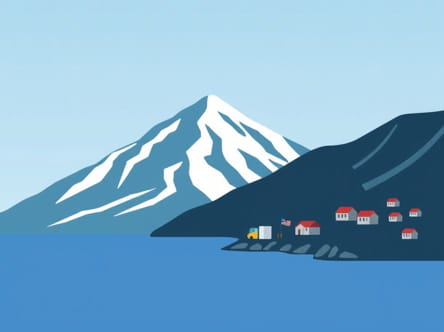
The leeward side of a mountain is an area that receives significantly less rainfall compared to the windward side due to the rain shadow effect. This difference in climate and environment profoundly influences the types of economic activities that can be sustained there. While the windward side may be lush and suitable for certain crops, the leeward side is often drier, with unique challenges and opportunities for economic development. Understanding the economic activities on the leeward side requires examining its climate, natural resources, and how human communities adapt to these conditions. This topic explores various economic pursuits such as agriculture, livestock rearing, industry, and tourism, illustrating how geography shapes livelihoods in these regions.
Understanding the Leeward Side Environment
The leeward side of a mountain is typically characterized by low precipitation, higher temperatures, and sometimes arid or semi-arid conditions. As moist air rises on the windward side, it cools and releases moisture through rainfall. By the time the air descends on the leeward side, it is dry and warm, creating a rain shadow zone. This climatic feature directly impacts soil quality, vegetation, and water availability, influencing the economic activities practiced by inhabitants.
Climate and Soil Characteristics
- Low rainfall leads to drier soils and limited natural vegetation.
- Soils may be sandy or rocky, with lower organic content compared to windward slopes.
- Temperature fluctuations are often more extreme, with hotter days and cooler nights.
These conditions require adaptation in economic activities to efficiently use available resources.
Agriculture on the Leeward Side
Agriculture remains a major economic activity on many leeward slopes, but it tends to focus on drought-resistant crops and farming techniques adapted to limited water availability. The type of crops grown is influenced by soil conditions, climate, and access to irrigation.
Drought-Resistant Crops
- Cereals such as millet, sorghum, and barley, which tolerate dry conditions.
- Legumes like chickpeas and lentils that enrich soil nitrogen and survive with less water.
- Some fruits like olives and dates that thrive in arid climates.
Farming Techniques
Farmers use water-conserving methods such as drip irrigation, mulching, and terracing to reduce soil erosion and retain moisture. Rainwater harvesting and groundwater utilization are also common strategies to sustain agriculture.
Livestock Rearing
Livestock farming is another important economic activity on the leeward side, particularly where crop farming is limited. The dry, open landscapes are suitable for grazing animals adapted to arid environments.
Common Livestock
- Sheep and goats, which require less water and feed.
- Camels, in some desert or semi-desert areas, valued for transportation and milk.
- Cattle breeds adapted to heat and sparse vegetation.
Livestock provides meat, milk, wool, and hides, supporting both subsistence needs and local trade.
Forestry and Resource Extraction
Though natural forests may be sparse, some leeward areas support scrubland and drought-tolerant tree species. These forests can provide timber, fuelwood, and non-timber products.
Forest Products
- Wood for construction and cooking fuel.
- Medicinal plants and herbs used in traditional remedies.
- Gum, resins, and other harvestable materials.
Extraction must be managed sustainably to prevent desertification and maintain ecological balance.
Industry and Manufacturing
Industrial activities on the leeward side often depend on the availability of local resources and infrastructure. Some dry regions develop specialized industries based on mineral extraction or agro-processing.
Mining and Minerals
- Extraction of minerals such as gypsum, limestone, and salt is common in arid mountainous regions.
- Quarrying of stone and gravel supports local construction.
Agro-Industry
Processing of drought-resistant crops and livestock products, including milling cereals, producing oils, and textile manufacturing from wool or cotton, supports local economies and provides employment.
Tourism on the Leeward Side
Despite its dry climate, the leeward side often attracts tourists interested in unique landscapes, cultural heritage, and adventure activities. Tourism can be a growing sector, supplementing traditional economic activities.
Tourist Attractions
- Scenic mountain views and deserts provide opportunities for hiking, camping, and photography.
- Cultural villages and festivals showcase traditional lifestyles adapted to harsh environments.
- Historical sites such as forts, temples, and ancient trade routes offer educational experiences.
Ecotourism and sustainable tourism models are promoted to preserve fragile environments and benefit local communities.
Challenges Faced by Economic Activities
Operating economic activities on the leeward side comes with several challenges that must be addressed for sustainable development.
Water Scarcity
Limited and irregular rainfall makes water management critical. Overuse of groundwater and inefficient irrigation can worsen water shortages.
Soil Degradation
Soils on the leeward side are vulnerable to erosion and loss of fertility, particularly if vegetation cover is removed.
Infrastructure Limitations
Remote and rugged terrain can limit access to markets, healthcare, and education, affecting economic growth.
Strategies for Sustainable Economic Development
To overcome these challenges, various strategies are implemented to support livelihoods and conserve natural resources on the leeward side.
Water Conservation and Management
- Implementation of rainwater harvesting systems.
- Promotion of efficient irrigation methods like drip and sprinkler systems.
- Rehabilitation of natural water bodies such as ponds and springs.
Soil Conservation Practices
- Afforestation and reforestation using native drought-resistant species.
- Terracing and contour plowing to reduce soil erosion.
- Use of organic fertilizers and mulching to enhance soil fertility.
Economic Diversification
Encouraging alternative livelihoods such as handicrafts, renewable energy projects, and ecotourism can reduce pressure on natural resources and create new income sources.
The leeward side of a mountain, despite its challenging climate and terrain, supports a range of economic activities adapted to its unique conditions. Agriculture, livestock rearing, forestry, industry, and tourism all contribute to local economies, shaped by the availability of water, soil quality, and cultural practices. Sustainable management of resources and innovative adaptation strategies are crucial to ensure that these economic activities continue to thrive without degrading the environment. By understanding the economic dynamics of the leeward side, planners and communities can work together to build resilient and prosperous mountain regions.