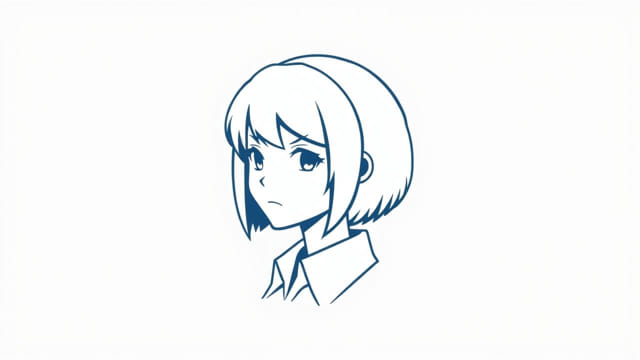
In the expansive and emotionally charged world of Persona 3, characters are designed to feel complex and relatable, often expressing a wide range of emotions and behavior. Among them, Yukari Takeba stands out as one of the core members of SEES, known for her sharp wit, sensitivity, and layered personality. However, a scene in the game has led to debate and confusion among fans over whether she uses a slur in one particular line. This controversy, often referred to online as the ‘Yukari slur’ incident, brings attention to localization practices, cultural interpretation, and the evolving standards of media sensitivity.
The Controversial Scene Explained
What the Line Was
The specific moment in question occurs during a confrontation scene in Persona 3, where Yukari speaks in frustration. In the English localization of the game, her line is, You’re such a r. This word, historically used as a derogatory term for individuals with intellectual disabilities, is widely regarded as offensive in English-speaking regions today. Its presence in a game as beloved as Persona 3 has sparked discussion, especially as awareness around inclusive language continues to grow.
Context Within the Game
Yukari says the line during a heated exchange, one of many emotionally intense moments throughout the game. Her character, who often acts as both a voice of reason and emotional tension within SEES, expresses deep anger and sarcasm in the scene. While some argue that this shows how real and raw the characters can be, others are uncomfortable with the use of such a term, regardless of the narrative justification.
Localization Versus Original Japanese Script
Did Yukari Really Say That?
To understand whether the term was truly intended by the original writers, fans have examined the Japanese version of the scene. In Japanese, the line is less severe and more along the lines of ‘You’re so stupid’ or ‘What are you, an idiot?’ phrasing that, while still harsh, does not carry the same stigma or offensive weight as the word used in English. The issue, then, lies in the localization choice, not the original script itself.
This brings up an important distinction: Yukari’s character, as written by the original developers, was not meant to use ableist language. Instead, the English translation team chose to localize her dialogue in a way that, perhaps at the time, seemed fitting for her tone but is now viewed as inappropriate and hurtful.
Why Localization Matters
Localization is not simply about translating words; it’s about adapting dialogue and meaning to fit cultural norms while preserving the intent of the original. In this case, the localization team made a call to intensify Yukari’s insult using language that was more extreme than necessary. It is now seen as a misstep that misrepresents her character and introduces an unintended controversy.
Community Reactions and Ongoing Debate
Mixed Feelings from Longtime Fans
Within the Persona community, reactions to the Yukari slur controversy vary. Some fans view the line as a product of its time Persona 3 was originally released in 2006, when awareness of ableist language was not as widespread in media discussions. They argue that condemning the game for this one line without considering its context and time period is an overreach.
Others disagree, emphasizing that regardless of when the game was made, harmful language should always be acknowledged and challenged. They argue that recognizing this mistake is important, not to attack the game or its creators, but to better understand how media evolves and how we can do better going forward.
Defending Yukari’s Character
Some players also worry that the incident unfairly paints Yukari in a negative light. As a fictional character, her actions and words are dictated by writers and translators. Blaming her for a poor localization decision misplaces the criticism. Yukari, throughout the game, is shown to care deeply about her friends, struggle with grief, and grow as a person traits that contradict the image this one line might suggest if taken out of context.
Impact on Modern Persona Releases
Changes in Remakes and Ports
When Persona 3 Portable and Persona 3 Reload were released in later years, players were quick to check if this line had been altered. In some versions, especially newer releases and ports, the localization has been adjusted to remove the offensive term, replacing it with less harmful language. This change reflects the game developers’ and publishers’ awareness of shifting cultural standards and their efforts to adapt accordingly.
These updates also show how companies can take responsibility for past choices without compromising the game’s original tone or storytelling. Adjustments like these allow new players to experience the game without the distraction or harm caused by outdated language.
Lessons Learned for Future Games
The Yukari slur controversy serves as a case study for modern game development and localization. It demonstrates the importance of sensitivity readers, cultural consultants, and open feedback loops between developers and communities. As localization becomes more nuanced and inclusive, instances like this become less common but they’re still worth reflecting on.
The Larger Discussion: Language in Games
Media Responsibility and Social Change
Video games, like any form of media, influence how people think, feel, and interact. They carry cultural weight and can either reinforce harmful norms or challenge them. Recognizing problematic elements in older games is not about canceling them; it’s about understanding where we’ve come from and how we can do better in future narratives.
Developers and fans alike benefit from these discussions. Players become more aware of the language they use, and developers gain insight into how to create games that are inclusive, respectful, and enjoyable for broader audiences.
Fan Edits and Community Fixes
In addition to official changes, the community often takes localization into its own hands. Fan translations, modded dialogue patches, and community-created localization guides have all become part of how players interact with games like Persona 3. In some fan edits, the offensive line is removed or replaced to align more closely with the original Japanese intent.
This reflects the active role fans play in shaping the cultural legacy of the games they love. While the original content remains a product of its time, the community has found ways to respect the source while removing unnecessary harm.
The Yukari Persona 3 slur controversy is more than just one poorly localized line it’s a window into how games, language, and culture evolve. It shows how even small choices in translation can have lasting impacts on how a character is perceived and how a game is remembered. By discussing these issues openly and honestly, fans and creators can work together to ensure that future storytelling in games reflects empathy, understanding, and respect for all players. Yukari’s character, with all her flaws and strengths, remains an important part of Persona 3 and her story deserves to be told with care and clarity.