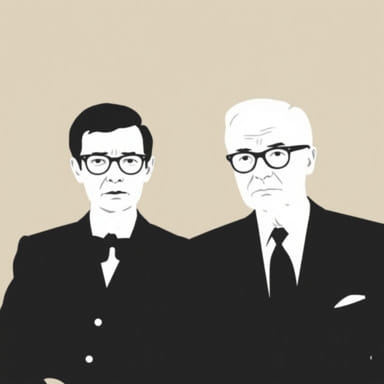
Gore Vidal and Truman Capote are two towering figures in American literature, each leaving a unique mark on the cultural and literary landscape of the 20th century. Both were known not only for their extraordinary writing but also for their flamboyant personalities and sharp wit. Their works often pushed boundaries and explored themes that challenged social norms, giving them a special place in the canon of modern American authors. Though different in style and focus, Vidal and Capote’s lives and careers offer a fascinating comparison of literary genius and public persona.
Background and Early Life
Gore Vidal’s Early Years
Gore Vidal was born in 1925 into a politically prominent family; his grandfather was a U.S. senator. This environment exposed Vidal to politics and history from an early age, which profoundly influenced his writing style and subject matter. Educated at prestigious institutions, Vidal began publishing novels in his late teens and quickly gained attention for his incisive style and social commentary. His experiences in World War II and his education shaped his views on power, politics, and society, themes that became central to his works.
Truman Capote’s Childhood
Truman Capote was born in 1924 in New Orleans and raised in the South. His childhood was marked by instability and a complicated family life, which influenced the emotional depth of his writing. Capote showed literary promise early, publishing a novella at age 17. Unlike Vidal, Capote’s background was less political and more immersed in Southern culture and society. His early experiences shaped his fascination with complex characters and social nuances, which became hallmarks of his storytelling.
Literary Contributions
Gore Vidal’s Diverse Body of Work
Vidal was a versatile writer whose work spanned novels, essays, screenplays, and plays. His historical novels, such as Burr” and “Lincoln,” re-examined American history with a critical eye, blending fact and fiction to explore the nature of power and identity. He was also an outspoken essayist and critic, known for his sharp political commentary and cultural criticism. Vidal’s writing often challenged conventional morality and political orthodoxy, making him a controversial figure but also a respected intellectual.
Truman Capote’s Literary Style and Impact
Capote is best known for his novella “Breakfast at Tiffany’s” and his groundbreaking work of literary journalism, “In Cold Blood.” The latter, often considered the first true crime novel, blurred the lines between journalism and fiction, showcasing Capote’s innovative narrative style. His prose was elegant, detailed, and emotionally rich, capturing the complexity of human relationships and societal undercurrents. Capote’s works often focused on the subtleties of human nature and social status, particularly in the American South.
Personalities and Public Life
Gore Vidal’s Public Persona
Vidal was known for his intellectual arrogance, wit, and unabashed critiques of American politics and culture. He often appeared in public debates and was unafraid to challenge political figures and social norms. His openly bisexual identity and progressive views on sexuality and civil rights made him a pioneering figure in the fight for social acceptance. Vidal’s public persona was as sharp and provocative as his writing, and he cultivated a reputation as a fearless commentator on contemporary issues.
Truman Capote’s Celebrity Status
Capote, on the other hand, was equally famous for his socialite lifestyle and flamboyant personality. He moved comfortably among celebrities, aristocrats, and artists, often hosting lavish parties. His charm and wit made him a popular figure in the media, but his personal struggles with addiction and loneliness were well documented. Capote’s openness about his homosexuality, at a time when it was taboo, also contributed to his complex public image. Despite personal difficulties, he remained a beloved figure in literary and social circles.
Relationship and Interaction
Although Gore Vidal and Truman Capote were contemporaries and occasionally crossed paths in literary and social events, their relationship was marked by rivalry and occasional hostility. Both were known for their sharp tongues and were critical of each other in public statements and interviews. This rivalry fueled media interest but also reflected deeper differences in their personalities and approaches to life and writing. Vidal once famously called Capote a social-climbing toady, while Capote dismissed Vidal’s work as overly intellectual and cold. Despite this tension, both men respected each other’s talents in private conversations.
Legacy and Influence
Vidal’s Enduring Intellectual Legacy
Gore Vidal’s influence extends beyond literature into the realms of political thought and cultural criticism. His fearless approach to discussing controversial topics paved the way for future generations of writers and thinkers. Vidal’s historical novels remain valued for their incisive exploration of America’s past, and his essays continue to inspire debate and reflection. His commitment to freedom of expression and social justice marks him as an essential figure in American letters.
Capote’s Impact on Narrative and Popular Culture
Truman Capote’s legacy lies in his innovative blending of fiction and nonfiction, particularly with “In Cold Blood,” which set a new standard for narrative nonfiction. His unique voice and storytelling techniques influenced countless writers in crime fiction and beyond. Capote’s stylish prose and vivid character studies continue to captivate readers, while his role as a cultural icon highlights the complex interplay between celebrity and creativity in modern literature.
Gore Vidal and Truman Capote remain two of the most intriguing and influential figures in 20th-century American literature. Their contrasting styles, personalities, and life experiences offer rich insights into the literary and cultural fabric of their time. Both challenged conventions in their own ways Vidal through his sharp political critiques and historical narratives, and Capote through his lyrical prose and innovative storytelling. Together, they embody the diversity and complexity of American letters and continue to inspire readers and writers around the world.