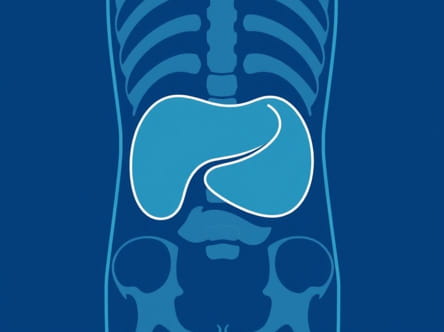
Peritoneal carcinomatosis is a severe medical condition that occurs when cancer spreads to the peritoneum, the thin lining that surrounds the abdominal organs. This condition is not a primary cancer but rather a metastatic manifestation of cancers that originate elsewhere, most commonly in the stomach, colon, appendix, or ovaries. It is considered an advanced stage of disease and often requires complex treatment approaches. For accurate diagnosis, treatment documentation, and insurance billing, it is essential to use the correct International Classification of Diseases, Tenth Revision (ICD-10) code for peritoneal carcinomatosis. Understanding these codes helps healthcare providers, coders, and patients in ensuring proper medical reporting and optimized care management.
What is Peritoneal Carcinomatosis?
Peritoneal carcinomatosis refers to the spread of malignant cancer cells within the peritoneal cavity. These cancer cells implant themselves on the surface of the peritoneum, leading to multiple tumor nodules that interfere with normal abdominal function. Unlike localized tumors, peritoneal carcinomatosis is usually associated with systemic disease progression and often signals late-stage cancer.
Causes and Origins
This condition is rarely a primary peritoneal cancer but instead results from metastasis. The most common cancers associated with peritoneal carcinomatosis include
- Colorectal cancer
- Gastric cancer
- Ovarian cancer
- Pancreatic cancer
- Appendiceal tumors (such as mucinous adenocarcinoma)
These cancers release malignant cells into the peritoneal cavity, where they implant and multiply, causing widespread peritoneal disease.
ICD-10 Code for Peritoneal Carcinomatosis
The ICD-10 coding system classifies diseases to ensure accurate medical reporting. Peritoneal carcinomatosis is not given a single dedicated code but is instead categorized under codes for secondary malignant neoplasms. The most relevant ICD-10 code is
- C78.6– Secondary malignant neoplasm of retroperitoneum and peritoneum
This code is used when cancer has spread to the peritoneum, regardless of the primary cancer site. In addition, healthcare providers often use site-specific primary cancer codes alongside C78.6 to indicate the origin of the disease, such as colon, stomach, or ovarian cancer. Correct coding ensures proper reimbursement and accurate documentation of disease progression.
Related ICD-10 Codes
- C18-C20– Malignant neoplasm of colon and rectum (often the primary source)
- C16– Malignant neoplasm of stomach
- C56– Malignant neoplasm of ovary
- C48.2– Malignant neoplasm of peritoneum
- C80.1– Malignant (primary) neoplasm, unspecified
By combining these codes, clinicians can indicate both the presence of peritoneal carcinomatosis and the original source of cancer. This dual approach provides a clearer medical picture and aids in research and treatment strategies.
Symptoms and Clinical Presentation
Peritoneal carcinomatosis can present with a wide range of symptoms depending on the extent of disease. Some patients may initially have vague abdominal discomfort, while others present with severe complications. Common symptoms include
- Abdominal swelling due to ascites (fluid accumulation)
- Unexplained weight loss
- Persistent abdominal pain
- Nausea and vomiting
- Loss of appetite
- Bowel obstruction in advanced stages
Because these symptoms are not specific, imaging studies such as CT scans, MRIs, and sometimes diagnostic laparoscopy are needed to confirm the diagnosis.
Diagnosis and the Role of Coding
Accurate diagnosis is key to effective treatment planning. Physicians rely on imaging and pathology to confirm peritoneal carcinomatosis. Once confirmed, the condition must be documented properly for medical records. ICD-10 coding ensures that this diagnosis is consistently recorded, supporting not only billing but also epidemiological studies that track cancer progression and survival rates.
Importance of ICD-10 Code C78.6
The code C78.6 plays a vital role in identifying secondary cancers of the peritoneum. Without using the correct code, the severity of the patient’s condition may be underreported, which can affect insurance approval for treatments such as cytoreductive surgery or hyperthermic intraperitoneal chemotherapy (HIPEC). Proper coding ensures that healthcare providers and patients gain access to the right medical resources.
Treatment Options for Peritoneal Carcinomatosis
Managing peritoneal carcinomatosis is challenging, as the disease often represents advanced cancer. However, treatment strategies can extend survival and improve quality of life. Treatment options include
- Cytoreductive surgery (CRS)– Removal of visible tumor deposits in the peritoneum
- Hyperthermic intraperitoneal chemotherapy (HIPEC)– Heated chemotherapy applied directly into the abdominal cavity after surgery
- Systemic chemotherapy– Drugs delivered intravenously to control cancer spread
- Palliative care– Symptom management to improve comfort and quality of life
The choice of treatment depends on the origin of the cancer, patient health, and the extent of peritoneal involvement.
Prognosis and Patient Outcomes
Historically, peritoneal carcinomatosis carried a poor prognosis, with limited survival times. However, advances in surgical techniques and the introduction of HIPEC have improved outcomes for selected patients. With the right treatment, some patients achieve longer survival and better quality of life. Accurate ICD-10 coding ensures that treatment outcomes can be studied and compared across healthcare systems, helping to advance cancer care.
Factors Affecting Prognosis
- Type of primary cancer
- Extent of peritoneal spread
- Response to chemotherapy
- Overall health and nutritional status of the patient
- Eligibility for cytoreductive surgery and HIPEC
Research and Clinical Significance
ICD-10 codes not only serve immediate clinical and financial needs but also provide valuable data for research. By analyzing trends in coding for peritoneal carcinomatosis, researchers can better understand which cancers most commonly spread to the peritoneum and how treatments impact survival. These insights guide new treatment protocols and influence cancer policy worldwide.
Peritoneal carcinomatosis is a serious condition that reflects advanced cancer spread within the abdominal cavity. Correct use of the ICD-10 code for peritoneal carcinomatosis, particularly C78.6, ensures accurate medical documentation, appropriate insurance coverage, and valuable data collection for research. By combining precise coding with effective treatment approaches such as cytoreductive surgery and HIPEC, healthcare providers can improve patient outcomes in this challenging condition. Ultimately, proper documentation and coding help bridge the gap between diagnosis, treatment, and ongoing advancements in cancer care.