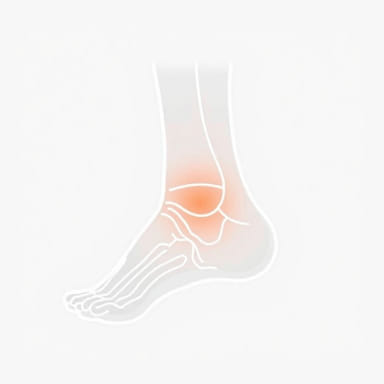
A sprained medial ligament in the ankle is a common injury that can happen during sports, physical activity, or even daily movements. This type of injury involves the stretching or tearing of the ligaments on the inner side of the ankle, which provide stability and support for walking, running, and jumping. Unlike lateral ankle sprains, medial ligament injuries are less frequent but can be more severe due to the strong ligaments involved. Understanding the causes, symptoms, treatment options, and recovery process is essential for proper management and to prevent long-term complications such as chronic instability or recurrent sprains.
Understanding the Medial Ligament of the Ankle
The medial ligament, also known as the deltoid ligament, is a strong band of tissue located on the inner side of the ankle. It connects the tibia (shin bone) to the talus and other bones in the foot, stabilizing the ankle during movement. The deltoid ligament consists of multiple components, including superficial and deep fibers, which work together to resist excessive eversion of the foot. Injury to this ligament often occurs when the ankle rolls inward, a movement that can happen during sports activities, uneven surfaces, or sudden twisting motions.
Anatomy of the Medial Ligament
- Superficial fibers Provide support for everyday ankle movements
- Deep fibers Offer strong stabilization during high-impact activities
- Connection to tibia and talus Maintains ankle alignment and prevents over-eversion
Causes of a Medial Ligament Ankle Sprain
Medial ligament sprains are usually caused by excessive force applied to the ankle, particularly when the foot turns outward while the ankle turns inward. Common causes include
- Sports injuries, such as basketball, soccer, or football, where sudden changes in direction occur
- Tripping or falling on an uneven surface
- Improper footwear that does not provide adequate support
- Previous ankle injuries that weaken the ligament structure
Risk Factors
Certain factors can increase the likelihood of sustaining a medial ligament sprain, including
- History of ankle sprains or chronic instability
- Poor physical conditioning or weak ankle muscles
- High-impact sports or frequent jumping activities
- Uneven terrain or slippery surfaces
Symptoms of a Medial Ligament Sprain
Recognizing the symptoms of a medial ligament ankle sprain is important for early treatment and recovery. Common signs include
- Pain on the inner side of the ankle, which may worsen with weight-bearing
- Swelling and bruising around the ankle joint
- Limited range of motion or difficulty walking
- Instability or a feeling that the ankle may give way
- In severe cases, a popping sound may be heard at the time of injury
Grading the Sprain
Medial ligament sprains are typically classified into three grades
- Grade I Mild stretching with minimal pain and swelling
- Grade II Partial tear of the ligament with moderate pain, swelling, and difficulty walking
- Grade III Complete tear of the ligament causing severe pain, instability, and significant swelling or bruising
Treatment Options
Proper treatment depends on the severity of the sprain. Most mild to moderate sprains can be managed conservatively, while severe injuries may require immobilization or surgery.
Initial Care (RICE Method)
- Rest Avoid putting weight on the injured ankle
- Ice Apply ice packs for 15-20 minutes several times a day to reduce swelling
- Compression Use an elastic bandage or ankle brace to support the joint
- Elevation Keep the ankle raised above heart level to minimize swelling
Medications and Pain Management
Over-the-counter pain relievers, such as acetaminophen or nonsteroidal anti-inflammatory drugs (NSAIDs), can help alleviate pain and reduce inflammation. In some cases, a healthcare provider may recommend prescription medications for more severe discomfort.
Rehabilitation and Physical Therapy
Once initial pain and swelling subside, physical therapy plays a crucial role in restoring strength, flexibility, and balance. Key rehabilitation exercises include
- Range of motion exercises to improve ankle mobility
- Strengthening exercises targeting the calf and surrounding muscles
- Balance and proprioception training to prevent future sprains
- Gradual return to sports or physical activity under supervision
When Surgery May Be Necessary
Severe Grade III sprains or cases where the ligament fails to heal with conservative treatment may require surgical intervention. Surgery typically involves repairing or reconstructing the torn ligament to restore stability. Postoperative rehabilitation is essential for regaining full function and preventing re-injury.
Post-Surgery Recovery
- Immobilization in a cast or boot for several weeks
- Gradual weight-bearing as recommended by the surgeon
- Physical therapy to restore strength and mobility
- Monitoring for complications such as infection or stiffness
Prevention of Future Sprains
Preventing medial ligament ankle sprains involves a combination of strength training, flexibility exercises, and lifestyle adjustments. Wearing supportive footwear, warming up before physical activity, and incorporating balance exercises can reduce the risk of injury. Athletes or active individuals may benefit from ankle braces or taping during high-risk activities.
Tips for Prevention
- Strengthen ankle and leg muscles with regular exercises
- Practice balance and stability drills to improve proprioception
- Wear appropriate shoes for sports or uneven terrain
- Avoid sudden changes in direction without proper warm-up
- Address previous injuries promptly to prevent chronic instability
A sprained medial ligament in the ankle can be a painful and disruptive injury, but with proper care, most individuals recover fully. Early recognition, appropriate treatment, and structured rehabilitation are key to restoring ankle strength and preventing long-term complications. By understanding the causes, symptoms, and effective management strategies, patients can take proactive steps to recover safely and maintain active lifestyles. Preventive measures, including strengthening exercises and proper footwear, also play a crucial role in reducing the risk of future sprains, ensuring overall ankle health and stability.