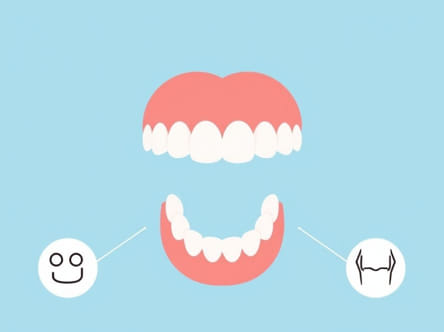
A misaligned jaw, also known as malocclusion or temporomandibular joint (TMJ) disorder, can significantly impact daily life, affecting chewing, speaking, and even overall facial appearance. This condition occurs when the upper and lower jaws do not meet properly, causing uneven bite patterns, jaw strain, and discomfort. Misaligned jaws can result from genetic factors, trauma, prolonged habits such as thumb sucking, or dental issues like missing teeth. Recognizing the symptoms of a misaligned jaw early is crucial, as untreated malocclusion can lead to chronic pain, dental problems, and other health complications. Awareness of the signs can guide individuals toward timely dental or orthodontic interventions.
Understanding Jaw Misalignment
Jaw misalignment refers to a condition where the teeth and jaws do not align correctly when the mouth is closed. This misalignment can be minor, causing only cosmetic concerns, or severe, resulting in significant functional problems. The temporomandibular joint (TMJ), which connects the jaw to the skull, is particularly affected by malocclusion. TMJ dysfunction can produce a wide range of symptoms that extend beyond the mouth and jaw, influencing overall health and quality of life.
Causes of Jaw Misalignment
Several factors can contribute to jaw misalignment, including
- Genetic predisposition leading to structural jaw abnormalities
- Childhood habits such as thumb sucking, prolonged pacifier use, or tongue thrusting
- Trauma or injury to the jaw or face
- Dental issues, including missing, crowded, or misaligned teeth
- Arthritis affecting the temporomandibular joint
- Teeth grinding (bruxism) that alters jaw positioning over time
Understanding the root cause of a misaligned jaw helps dental professionals recommend effective treatment options, ranging from orthodontics to surgical interventions in severe cases.
Common Symptoms of a Misaligned Jaw
The symptoms of jaw misalignment can vary depending on severity, age, and underlying causes. They often affect both dental and muscular systems, as well as overall posture. Recognizing these symptoms is key to seeking timely medical or dental care.
Jaw Pain and Discomfort
One of the most frequent signs of jaw misalignment is chronic jaw pain or discomfort. Individuals may experience
- Pain or tenderness in the jaw muscles
- Difficulty or discomfort when chewing or opening the mouth
- Clicking, popping, or grating sounds when moving the jaw
- Locking of the jaw in an open or closed position
These symptoms can intensify during activities such as eating, talking, or yawning, reflecting stress on the temporomandibular joint and surrounding muscles.
Dental Issues
Jaw misalignment often contributes to dental problems due to uneven pressure on teeth. Common signs include
- Abnormal tooth wear or chipping
- Increased sensitivity due to enamel erosion
- Difficulty biting or chewing evenly
- Gaps or crowding of teeth
- Frequent cavities or gum irritation caused by uneven pressure distribution
Regular dental check-ups can reveal these issues, allowing early intervention to prevent long-term dental damage.
Headaches and Facial Pain
Misaligned jaws can trigger tension headaches and facial pain. This occurs because the muscles surrounding the jaw work harder to compensate for the improper alignment. Common manifestations include
- Persistent headaches, especially around the temples or forehead
- Facial muscle fatigue or soreness
- Ear pain or pressure without infection
- Neck and shoulder discomfort related to altered posture from jaw strain
These symptoms may mimic other conditions, making it important to consider jaw alignment as a potential underlying factor.
Additional Symptoms
Speech and Eating Difficulties
Jaw misalignment can interfere with normal speech and eating patterns. Individuals may notice
- Difficulty articulating certain words or sounds
- Chewing on one side of the mouth to avoid discomfort
- Frequent biting of the cheeks or tongue
- Feeling that the bite is off or uneven
Addressing the alignment can significantly improve speech clarity and ease of eating.
Posture and Neck Problems
Chronic jaw misalignment can affect overall posture and contribute to musculoskeletal issues. Symptoms include
- Forward head posture or rounded shoulders
- Neck stiffness and tension
- Upper back or shoulder pain related to compensatory muscle strain
These secondary symptoms highlight the interconnectedness of jaw alignment with musculoskeletal health.
Diagnosis of Jaw Misalignment
Accurate diagnosis involves a combination of physical examination, dental assessment, and imaging studies. Key diagnostic approaches include
Clinical Examination
Dentists and orthodontists assess jaw movement, bite patterns, and signs of wear on teeth. They may evaluate TMJ function, check for tenderness, and observe jaw alignment at rest and during motion.
Imaging Studies
X-rays, CT scans, or MRI can provide detailed views of the jaw bones and temporomandibular joints. These images help identify structural abnormalities, arthritis, or dislocations contributing to misalignment.
Bite Analysis
Specialized tools and models may be used to analyze the patient’s bite and occlusion. This assessment helps determine the degree of misalignment and guides orthodontic or surgical treatment planning.
Treatment Options for Jaw Misalignment
Treatment depends on severity, underlying cause, and patient age. Common approaches include
Orthodontic Treatment
- Braces or clear aligners to correct teeth alignment
- Functional appliances to adjust jaw positioning in growing children
- Retainers to maintain corrected alignment
Therapeutic Interventions
- Physical therapy to strengthen jaw muscles and improve mobility
- Occlusal splints or mouthguards to reduce teeth grinding and alleviate TMJ stress
- Pain management with anti-inflammatory medications or muscle relaxants
Surgical Options
In severe cases, corrective jaw surgery (orthognathic surgery) may be recommended to realign the jawbones, restore proper bite function, and improve facial aesthetics.
Preventive Measures
Preventing jaw misalignment involves addressing risk factors early. Recommendations include
- Avoiding prolonged habits such as thumb sucking or tongue thrusting in children
- Seeking prompt treatment for dental issues like crowded or missing teeth
- Wearing mouthguards during sports to prevent jaw injuries
- Managing teeth grinding through stress reduction and protective devices
- Maintaining regular dental check-ups for early detection of alignment issues
Symptoms of a misaligned jaw can range from mild discomfort and irregular bite patterns to chronic pain, headaches, and speech difficulties. Early signs such as jaw tenderness, teeth wear, and clicking noises should prompt evaluation by a dental professional to prevent progression. Treatment options include orthodontics, therapeutic interventions, and, in severe cases, corrective surgery. Understanding the causes, recognizing the symptoms, and seeking timely care are essential for maintaining proper jaw function, relieving discomfort, and improving overall oral and musculoskeletal health.