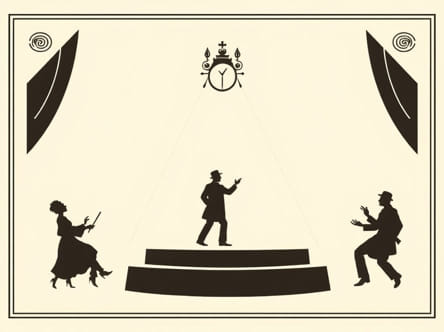
Set in the charming but shadowy world of Victorian England, The Mystery of Edwin Drood musical offers a thrilling theatrical experience filled with comedy, suspense, and audience interaction. Based on Charles Dickens’ final, unfinished novel, this musical adaptation transforms an old literary mystery into a vibrant, self-aware stage production that keeps viewers entertained from beginning to end. With multiple possible endings and a clever meta-theatrical twist, the show stands out as one of the most unique musicals in modern theatre history. Its mix of period drama, musical flair, and interactive storytelling has drawn fans of classic literature, musical theater, and whodunit mysteries alike.
Background of the Original Novel
The musical is adapted from The Mystery of Edwin Drood, a novel that Charles Dickens began in 1870 but left incomplete due to his death. The story revolves around the suspicious disappearance of young Edwin Drood and the tangled relationships among the residents of the fictional town of Cloisterham. Dickens left no notes regarding the ending, leaving readers with an unsolved literary puzzle that has fascinated scholars and fans for generations.
Among the central characters are
- Edwin Drood– a young man engaged to Rosa Bud
- Rosa Bud– Drood’s fiancée, admired by several men
- John Jasper– Drood’s uncle and choirmaster, secretly obsessed with Rosa
- Neville Landless– a hot-tempered outsider who clashes with Drood
- Helena Landless– Neville’s protective sister
In the novel, Drood vanishes mysteriously, and the story builds toward revealing what happened to him. However, Dickens’ death left the mystery unsolved an ideal opportunity for theatrical innovation.
The Concept of the Musical Adaptation
Created by Rupert Holmes, The Mystery of Edwin Drood musical premiered in 1985 and immediately drew attention for its inventive approach. Rather than trying to guess how Dickens would have ended the novel, Holmes turned the incomplete story into an interactive musical comedy where the audience chooses the ending.
The musical is presented as a show-within-a-show, performed by a Victorian music hall troupe. The actors play both their theatrical roles and their characters within the mystery, breaking the fourth wall and engaging directly with the audience. This self-aware format adds humor, unpredictability, and excitement to the production.
Key Elements of the Musical
- Interactive endingAt a certain point, the audience votes on critical elements of the plot, including the identity of the murderer and the resolution of love triangles.
- Multiple endingsThe cast has to be prepared to perform any number of combinations, depending on audience choices.
- Music and comedyThe show blends musical numbers with farcical elements, poking fun at both Dickensian drama and melodramatic tropes.
- Meta-theatrical formatThe actors double as characters in the mystery and as flamboyant members of the music hall company, adding layers to the performance.
The Characters and Performances
One of the standout aspects of the musical is its rich ensemble of characters, many of whom carry hidden motives, secrets, or comic quirks. Because of the musical’s structure, each character is played by an actor with their own music hall persona. This dual-layered performance allows for a great deal of theatrical play and improvisation.
Main Characters in the Musical
- ChairmanThe host and narrator, who often breaks the fourth wall and keeps the action moving.
- Edwin Drood / Alice NuttingTypically played by a woman in a breeches role, Drood’s character disappears halfway through the show.
- John JasperA dramatic figure torn between affection and obsession, a prime suspect in Drood’s disappearance.
- Rosa BudA sweet and gentle character with hidden strength.
- Neville LandlessMysterious and misunderstood, with a temper that makes him suspect.
- Helena LandlessClever, perceptive, and fiercely loyal to her brother.
The ensemble cast includes other quirky roles such as Princess Puffer, Durdles the stonemason, and Bazzard, each of whom may be chosen by the audience as the killer, depending on the night’s performance.
Musical Numbers and Highlights
The score of The Mystery of Edwin Drood features catchy melodies and witty lyrics that enhance the playful tone of the production. Songs vary in mood, from comic duets to dramatic solos, showcasing the cast’s vocal range and character depth.
Some notable musical numbers include
- There You Are– An upbeat introduction to the Music Hall Royale and its players.
- Moonfall– A hauntingly beautiful ballad sung by Rosa Bud.
- Don’t Quit While You’re Ahead– A rousing number that gets repeated in different endings.
- Perfect Strangers– A romantic duet exploring new possibilities.
Each song contributes to the musical’s ability to balance humor, mystery, and emotional storytelling, creating a truly engaging experience.
The Audience’s Role in Solving the Mystery
What truly sets The Mystery of Edwin Drood musical apart is the active participation of the audience. Near the end of Act II, the Chairman addresses the audience to solve the central mystery Who killed Edwin Drood?
Audience members vote to determine
- Who murdered Drood
- Which pair of lovers will be united
- Whether Drood is truly dead or will return
The cast tallies the votes quickly, and then improvises the final scenes accordingly. Because the ending is different each night, the show offers a fresh and exciting experience with every performance. This interactivity creates a powerful connection between the audience and the story, making viewers feel like active participants in the theatrical journey.
Critical Reception and Legacy
Since its Broadway debut, The Mystery of Edwin Drood musical has received widespread acclaim for its originality and inventiveness. It won five Tony Awards in 1986, including Best Musical, Best Book, and Best Original Score. Audiences and critics alike praised its humor, charm, and unique format.
The musical has since been revived in numerous regional, school, and professional productions. A successful Broadway revival took place in 2012, introducing the show to a new generation of theatergoers. Its flexible script, engaging songs, and interactive ending continue to make it a favorite among performers and directors.
A One-of-a-Kind Musical Experience
The Mystery of Edwin Drood musical is a joyful and inventive celebration of theatre itself. Blending the suspense of a classic whodunit with the vibrant energy of a music hall production, it offers an experience unlike any other in the world of musical theatre. With audience participation at its core and multiple possible conclusions, the show honors Dickens’ legacy while inviting viewers to become part of the story. Whether you’re a fan of mysteries, musicals, or interactive performances, The Mystery of Edwin Drood delivers entertainment, creativity, and charm in equal measure.