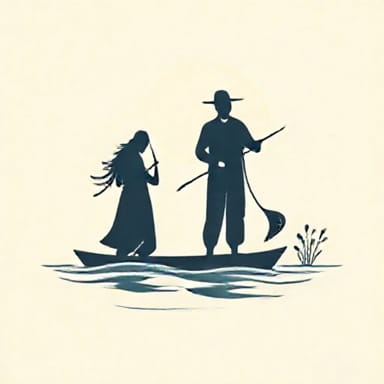
Among the many tales of myth and magic, the story ofThe Naiad and the Fishermanis one of enchantment, longing, and the eternal divide between two worlds. This romantic and symbolic tale follows a water spirit and a mortal man whose fates become intertwined through chance, curiosity, and forbidden love. Deeply poetic and rich with allegory, this story explores the boundary between the natural and human world, highlighting themes of desire, sacrifice, and transformation. Its mystical setting and emotional depth continue to resonate with readers who are drawn to stories of tragic beauty and ethereal romance.
Introduction to the Myth
The tale ofThe Naiad and the Fishermanhas roots in ancient folklore, often told around rivers and lakes where whispers of water nymphs have long stirred the imagination. A naiad is a freshwater nymph in Greek mythology, typically bound to a specific body of water such as a stream, spring, or lake. These creatures are graceful, immortal beings, deeply connected to nature and known for their elusive presence. The fisherman, on the other hand, symbolizes humanity earthbound, mortal, and bound by the need to survive.
The story begins as a solitary fisherman casts his net each morning at the same quiet lake. One day, he begins to sense something watching him ripples that appear without wind, songs drifting over the water. What follows is an unfolding relationship between two vastly different beings, drawn together by forces they cannot fully understand or control.
The Fisherman’s World
Living in a humble cottage by the lake, the fisherman leads a life of repetition and solitude. He finds peace in the rhythm of his days, though he harbors a quiet longing for something beyond his reach. He has heard tales of naiads from old village storytellers beings that protect the waters and lure men into the depths but he never believed them to be real. That changes when he begins to catch glimpses of a figure just below the surface of the water, with hair like riverweed and eyes that gleam like moonlit waves.
- His tools a net, a wooden boat, and patience forged by years of survival.
- His fear losing what little he has in the face of the unknown.
- His desire to understand the mystery that now haunts his every cast.
The Naiad’s Perspective
The naiad, bound to the waters of the lake, has existed for centuries in silence and solitude. She is curious about mortals but is warned by her sisters to never become entangled with humans. Yet this fisherman, with his quiet determination and gentle hands, stirs something new in her. From beneath the surface, she watches him, sings to him, and eventually dares to speak.
As their interactions grow bolder, the naiad reveals herself to the fisherman one twilight evening. Her voice is soft, her presence both fragile and powerful. Though they belong to separate worlds, a connection is formed wordless at first, then filled with shared moments of wonder and sadness. The naiad teaches him the names of stars reflected in the lake. He tells her of human joys and hardships.
Impossible Love and Divine Limits
Like many mythological romances, their love is doomed from the beginning. The laws of nature do not allow a water spirit to leave her domain. The fisherman cannot breathe underwater or abandon his life entirely. Still, they try to find a space where their worlds overlap a hidden cove, a shared song, a stolen hour at sunset.
The fisherman begins to lose interest in his daily work, spending more time on the lake, searching for her presence. The villagers notice his change in behavior, whispering of madness or enchantment. He grows thinner, quieter, consumed by the enchantment of a love that defies reason. The naiad, in turn, becomes more attached to the human world, risking the wrath of river spirits and the pain of separation from her element.
Symbolism and Themes
Nature and Humanity
The story reflects the delicate relationship between humans and the natural world. The fisherman’s growing obsession with the naiad mirrors mankind’s tendency to romanticize and exploit nature, while the naiad’s growing affection shows nature’s capacity for empathy and destruction alike. Their love is beautiful, yet unsustainable a metaphor for the ecological balance between coexistence and overreach.
Transience and Eternity
Time functions differently for mortals and spirits. While the naiad is bound to her lake forever, the fisherman ages with each season. Their love cannot grow as equals; it remains suspended in time, never fully realized. This highlights the tragedy of impermanence and the longing for something that cannot last but still feels worth pursuing.
Isolation and Connection
Both characters begin the tale in solitude. Their meeting becomes a bridge between loneliness and love. But that bridge is fragile. The naiad cannot step fully into the human world, and the fisherman cannot live in hers. Their bond is powerful yet isolated like an echo between two distant shores.
The Ending Loss or Transformation?
In most versions of the tale, the ending is bittersweet. One morning, the fisherman sets out but never returns. His boat is found adrift, empty. Some say he drowned trying to join his beloved beneath the water. Others claim the naiad saved him from life’s cruelty by taking him into her world, transformed into a spirit himself. The lake grows still. The villagers say they sometimes hear laughter over the waves or see two figures dancing just below the surface at dusk.
This conclusion is open to interpretation. Is it a tale of tragic death, or of eternal unity beyond the mortal plane? Either way, the myth leaves a lasting impression both warning and wonder, beauty and loss.
Legacy of the Tale
The Naiad and the Fishermanhas inspired poetry, paintings, and modern retellings. Its core themes resonate in contemporary literature, reminding audiences of the enduring power of myth. The idea of forbidden love, connection between nature and humanity, and the yearning to cross boundaries remains deeply relevant today.
The story ofThe Naiad and the Fishermanis more than just a romantic fable. It is a meditation on longing, transformation, and the fragile bridges we build between what we are and what we desire. Whether seen as a metaphor for environmental connection or emotional vulnerability, this timeless myth continues to speak to the human heart. It invites us to listen closely to the whisper of water, the rhythm of solitude, and the dream of something just out of reach.