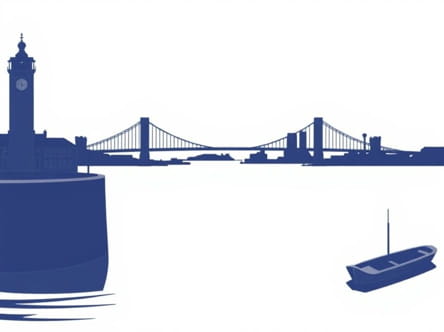
Twopence to Cross the Mersey is a moving autobiographical work by Helen Forrester that captures the struggles, resilience, and survival of a young girl and her family in Liverpool during the Great Depression. The narrative blends historical detail with a deeply personal perspective, making it a powerful testament to endurance in the face of poverty. The title itself refers to the small fare needed to cross the River Mersey, symbolizing both a literal and metaphorical journey of hardship, hope, and the quest for a better life.
Background and Historical Setting
The story is set in the 1930s, a period marked by severe economic downturn in Britain. Liverpool, a once-thriving port city, was hit particularly hard by unemployment, housing shortages, and widespread deprivation. Helen Forrester’s family, once financially comfortable, found themselves plunged into destitution after her father’s business collapsed. This sudden reversal of fortune forced them to adjust to a life of hardship they had never known before.
The Significance of Liverpool
- Once a bustling hub of commerce and trade, Liverpool suffered economic decline after World War I.
- The city’s docks, which had once brought prosperity, became quiet as global trade slowed.
- Working-class communities bore the brunt of poverty, with many families relying on charity to survive.
The Life of Young Helen
Helen Forrester’s memoir paints a vivid picture of her early years, focusing on the difficult transition from a privileged upbringing to the stark reality of urban poverty. She was forced to leave school at a young age to care for her siblings while her parents struggled to adjust to their new circumstances. This personal sacrifice left her yearning for education and independence, themes that run strongly throughout the memoir.
Responsibilities Beyond Her Years
With her mother in poor health and her father unable to secure stable employment, Helen became the primary caretaker for her younger siblings. She took on household chores, managed scarce resources, and ensured the family could get by day to day. This loss of childhood innocence is one of the most poignant aspects of Twopence to Cross the Mersey, highlighting how poverty often forces children into adult roles long before their time.
Title Meaning and Symbolism
The title refers to the small fare needed to cross the River Mersey from Liverpool to the Wirral Peninsula. While it may seem insignificant, the two pennies represented a cost that could be out of reach for a family living in extreme poverty. The crossing becomes symbolic of missed opportunities, unfulfilled dreams, and the thin line between hardship and hope. It also reflects the social divide between the struggling communities of Liverpool and the more prosperous areas just across the river.
Symbolic Interpretations
- The fare represents small but significant barriers faced by the poor.
- The Mersey acts as a physical and emotional boundary between different worlds.
- The crossing is a metaphor for aspirations and the challenges of reaching them.
Themes in Twopence to Cross the Mersey
Helen Forrester’s memoir is rich with themes that resonate far beyond its historical context. These themes speak to the universal struggles of the human spirit under pressure.
Poverty and Survival
The memoir offers an unflinching look at the grinding nature of poverty. It is not simply about the absence of money, but about the daily indignities and sacrifices required to survive. From wearing second-hand clothes to relying on food banks and charitable aid, the Forrester family’s life is a constant battle against deprivation.
Family Responsibility
Helen’s role in keeping her family afloat illustrates the heavy burden placed on young shoulders in times of crisis. Her story is one of loyalty and love, but also of the frustration that comes with having one’s own dreams sidelined for the sake of others.
Resilience and Determination
Despite the hardships, Helen’s determination to improve her circumstances never wavers. Her perseverance in the face of adversity becomes a central message of the memoir, inspiring readers to find strength even when the odds seem insurmountable.
Writing Style and Perspective
Helen Forrester writes in a clear, engaging style that makes her story accessible while still capturing the emotional weight of her experiences. Her first-person perspective draws readers into her world, making them feel the cold winters, the hunger, and the small moments of joy amid the struggle. The memoir’s straightforward language enhances its authenticity, allowing the emotional truth of her story to shine through.
Notable Features of Her Style
- Simple, vivid language that conveys deep emotion.
- Strong use of sensory details to immerse the reader in the setting.
- Balanced portrayal of hardship and hope.
Legacy and Impact
Twopence to Cross the Mersey remains one of the most enduring works of working-class literature from Britain’s 20th century. Its portrayal of economic hardship and family loyalty continues to resonate with readers who see parallels in modern struggles. The memoir also serves as a historical document, preserving the memory of a generation that lived through the Great Depression and its lasting effects.
Reasons for Its Continued Popularity
- It provides a relatable and humanized account of historical events.
- Its themes of resilience and determination are timeless.
- It appeals to readers interested in both history and personal memoirs.
Adaptations and Cultural Recognition
The story has been adapted into stage plays and continues to be discussed in educational contexts. Its enduring presence in popular culture speaks to the universal nature of its message. The title itself has become synonymous with overcoming adversity in the face of overwhelming odds.
Stage and Media Adaptations
- The memoir was adapted into a successful stage play, bringing its story to a wider audience.
- It is often recommended reading for students studying British social history.
- Its influence can be seen in later autobiographical works focusing on poverty and resilience.
Twopence to Cross the Mersey is more than just a memoir it is a testament to the human spirit’s ability to endure hardship without losing hope. Helen Forrester’s story captures the essence of survival during one of Britain’s most difficult periods, offering lessons that remain relevant today. The simple act of crossing the Mersey becomes a profound symbol of the barriers and possibilities that shape our lives. Through her honest and heartfelt account, Forrester ensures that her family’s struggle and the struggles of countless others will not be forgotten.