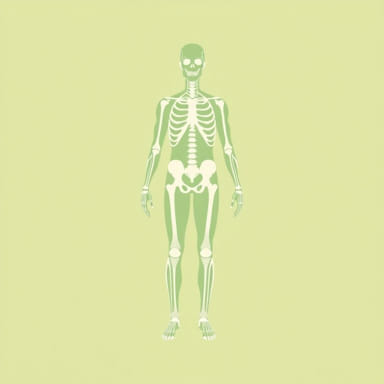
In the study of anatomy, many terms are used to describe the position of one body part in relation to another. One of these key directional terms is medial. While the word might sound technical, its meaning is straightforward once it is broken down. Medial refers to something located closer to the midline of the body, which is the imaginary vertical line that divides the body into left and right halves. Understanding the meaning of medial in anatomy helps students, healthcare professionals, and anyone interested in the human body to describe structures more accurately and avoid confusion in medical communication.
Understanding the Concept of Medial
The human body can be described using planes and directional terms that make it easier to explain where structures are located. The term medial specifically refers to proximity to the midline. For example, when comparing the position of the nose and the eyes, the nose is considered medial because it lies closer to the center of the body. This contrasts with the term lateral, which describes structures that are farther away from the midline, such as the ears.
The Importance of the Midline
The midline is the central reference point in anatomy. Without this imaginary line, it would be difficult to explain where body parts are located in relation to one another. Medial is always defined in relation to this line, so it is a term of comparison rather than an absolute position.
Examples of Medial in the Human Body
To better understand what medial means in anatomy, it helps to look at specific body structures and how the term is applied. These examples show how medial positioning can be used in different regions of the body
- Arms and chestThe sternum, or breastbone, is medial to the ribs.
- LegsThe big toe is medial compared to the little toe because it is closer to the midline of the body.
- HeadThe tongue is medial compared to the teeth.
- EyesThe bridge of the nose is medial to both eyes.
These examples show how medial can be applied in many contexts to help clarify descriptions of the body.
Medial vs. Lateral
In anatomy, medial and lateral are opposite terms. Medial describes closeness to the midline, while lateral refers to being farther from it. Understanding this distinction is crucial in anatomy because it allows precise communication. For instance, in describing a muscle injury, a doctor may say the pain is located on the medial side of the knee. This means the pain is on the inner side of the knee, nearest the midline, rather than the outer side.
Practical Example
If a patient complains of discomfort in the medial side of the ankle, a medical professional would immediately know that the issue is located on the inner side of the ankle rather than the outer part. This shows how important the medial-lateral distinction is in medical practice.
Use of Medial in Anatomical Terms
The word medial is often used in combination with other anatomical terms to describe locations with even greater precision. In medical terminology, the word appears in many structures and conditions. Here are a few examples
- Medial collateral ligament (MCL)A ligament on the inner side of the knee joint.
- Medial epicondyleA bony prominence on the inner side of the humerus, located near the elbow.
- Medial rectus muscleAn eye muscle that moves the eyeball toward the midline.
- Medial malleolusThe inner bony bump of the ankle, part of the tibia.
These examples demonstrate how the concept of medial is applied directly in anatomical naming conventions, making the term not just descriptive but also functional in medicine.
The Role of Medial in Medical Communication
In clinical settings, accuracy is essential. Terms like medial allow doctors, nurses, and therapists to quickly and clearly explain the location of injuries, conditions, or procedures. For example, if an MRI scan shows a lesion on the medial side of the spinal cord, specialists immediately understand where the issue is without confusion. This kind of standardized language avoids misunderstandings and ensures proper treatment.
Why Precision Matters
Using words like medial and lateral may seem technical, but precision in medical descriptions can be the difference between diagnosing the correct problem and missing important details. This is why students of anatomy spend significant time learning these terms and practicing how to apply them in different contexts.
Medial in Everyday Understanding
Although medial is a technical anatomical term, the concept can be applied to daily life. For example, if you stand with your hands at your sides, your thumbs are lateral, while your little fingers are medial in relation to your hands. Similarly, when exercising, fitness trainers may use terms like medial rotation, which means rotating a body part inward toward the midline. These uses bring anatomical language into fitness, yoga, sports, and other areas of daily activity.
Medial Rotation
One common movement term that includes medial is medial rotation. This describes the rotation of a limb toward the body’s midline. For instance, turning the arm inward at the shoulder joint is an example of medial rotation. The opposite movement is lateral rotation, where the limb turns away from the midline. These terms are vital in understanding body mechanics and movement patterns.
Learning Medial in Relation to Other Anatomical Terms
While learning about medial, it is important to also understand related directional terms in anatomy. These terms work together to provide a complete system for describing the human body.
- Anterior (ventral)Toward the front of the body.
- Posterior (dorsal)Toward the back of the body.
- SuperiorAbove another structure.
- InferiorBelow another structure.
- ProximalCloser to the point of attachment.
- DistalFarther from the point of attachment.
By combining medial with these other terms, anatomical descriptions become precise and universally understood, making communication more effective in medical and educational settings.
Why Medial Is Important in Anatomy Education
For students beginning their studies in anatomy, terms like medial may seem overwhelming at first. However, they form the foundation of anatomical language. Once a student understands the concept of medial and how it compares to lateral, they can begin to visualize the body in three dimensions and describe it with accuracy. This knowledge becomes especially valuable in advanced studies of medicine, physiotherapy, sports science, and biology.
The term medial in anatomy is essential for describing the position of structures in relation to the midline of the body. Whether it is identifying the medial side of the knee, understanding the medial rectus muscle of the eye, or explaining medial rotation in exercise, the concept is deeply woven into both medical practice and everyday life. By learning and applying the idea of medial, students and professionals can communicate clearly, diagnose accurately, and better understand the organization of the human body. The precision provided by terms like medial ensures that anatomy remains a universal language in healthcare and education.