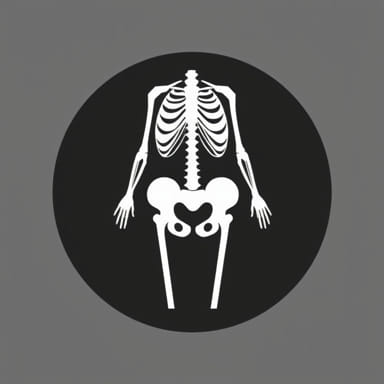
Right pelvic obliquity is a condition in which the pelvis tilts unevenly, with the right side positioned higher or lower than the left side. This misalignment can impact posture, gait, and overall musculoskeletal health. Although some minor pelvic tilts are common and may not cause noticeable symptoms, significant right pelvic obliquity can lead to discomfort, muscle imbalances, and long-term spinal problems. Understanding the causes, symptoms, diagnosis, and treatment options for right pelvic obliquity is essential for maintaining proper posture and preventing complications that could affect mobility and quality of life.
What is Right Pelvic Obliquity?
Right pelvic obliquity occurs when the pelvis is not level in the frontal plane, resulting in a tilt toward one side in this case, the right. The condition may be structural, caused by differences in leg length or spinal deformities, or functional, resulting from muscle imbalances or habitual postures. This tilt can affect the alignment of the spine, hips, and lower extremities, potentially causing pain or limiting movement. Identifying right pelvic obliquity early can help prevent secondary complications such as scoliosis, chronic back pain, and uneven wear on the joints.
Types of Right Pelvic Obliquity
Right pelvic obliquity can be classified based on its origin and severity
- Structural Pelvic Obliquity– caused by anatomical differences such as leg length discrepancies, hip joint abnormalities, or spinal deformities like scoliosis.
- Functional Pelvic Obliquity– results from muscular imbalances, poor posture, or compensatory movement patterns, rather than bone structure.
- Mild, Moderate, and Severe– categorized by the degree of tilt measured in degrees; severe cases may require more intensive intervention.
Causes of Right Pelvic Obliquity
The underlying causes of right pelvic obliquity can vary, often involving a combination of skeletal and muscular factors. Common causes include
- Leg Length Discrepancy– one leg being shorter than the other can tilt the pelvis to the right.
- Scoliosis– a lateral curvature of the spine can create or exacerbate pelvic obliquity.
- Muscle Imbalances– tight or weak muscles in the lower back, hips, or legs can pull the pelvis unevenly.
- Poor Posture– prolonged sitting, standing, or asymmetric movement habits can lead to a tilted pelvis.
- Injuries– fractures, sprains, or hip joint injuries can disrupt pelvic alignment.
- Neurological Conditions– disorders affecting nerve function may impair muscle control, contributing to obliquity.
Signs and Symptoms
Right pelvic obliquity can manifest in various ways, ranging from subtle to pronounced. Some common signs and symptoms include
- Visible unevenness in hip height or shoulder alignment
- Lower back, hip, or leg pain
- Altered gait or limping
- Muscle tightness or weakness on one side of the body
- Difficulty performing certain movements, such as bending or lifting
- Compensatory spinal curvature or scoliosis in chronic cases
Diagnosis of Right Pelvic Obliquity
Diagnosing right pelvic obliquity involves a combination of physical examination, imaging, and functional assessment. Key diagnostic methods include
- Physical Examination– a clinician observes hip levels, leg length, posture, and gait patterns.
- Leg Length Measurement– determines if anatomical discrepancies are contributing to pelvic tilt.
- Imaging Studies– X-rays, MRI, or CT scans may be used to assess spinal curvature, hip alignment, and bone structure.
- Functional Assessment– evaluating muscle strength, flexibility, and movement patterns to identify functional causes.
Treatment Options
Treatment for right pelvic obliquity depends on the underlying cause, severity, and associated symptoms. Common approaches include
Non-Surgical Treatments
- Physical Therapy– exercises to strengthen weak muscles, stretch tight muscles, and improve posture.
- Orthotics and Shoe Lifts– correcting leg length discrepancies to balance pelvic alignment.
- Chiropractic Care– spinal adjustments may help realign the pelvis in functional cases.
- Postural Training– educating patients on proper sitting, standing, and movement habits.
- Pain Management– using heat, cold, or anti-inflammatory medications to relieve discomfort.
Surgical Treatments
In severe cases where structural abnormalities are significant, surgery may be recommended. Options include
- Corrective spinal surgery for scoliosis
- Leg lengthening or shortening procedures
- Hip joint surgery to address deformities or injuries
Complications of Untreated Right Pelvic Obliquity
If left unaddressed, right pelvic obliquity can lead to long-term complications, including
- Chronic lower back, hip, and knee pain
- Progressive scoliosis or spinal misalignment
- Muscle imbalances that affect gait and mobility
- Joint degeneration due to uneven weight distribution
- Reduced athletic performance or limitations in daily activities
Prevention and Maintenance
Preventing right pelvic obliquity involves maintaining balanced muscle strength, proper posture, and awareness of body mechanics. Strategies include
- Regular exercise focusing on core and hip strength
- Stretching to maintain flexibility in lower back and hip muscles
- Monitoring posture during sitting, standing, and lifting activities
- Wearing supportive footwear and correcting leg length discrepancies if needed
- Routine check-ups with healthcare professionals, especially for children and adolescents, to identify early signs of spinal or pelvic imbalance
Right pelvic obliquity is a condition in which the pelvis tilts unevenly to the right, potentially leading to pain, postural imbalances, and musculoskeletal complications. Understanding the causes, whether structural or functional, is essential for effective treatment and prevention. Early diagnosis through physical examination and imaging can guide interventions such as physical therapy, orthotics, or, in severe cases, surgical correction. Maintaining proper posture, balanced muscle strength, and awareness of body mechanics are key to preventing right pelvic obliquity and promoting long-term spinal and musculoskeletal health. By addressing this condition promptly, individuals can improve mobility, reduce pain, and prevent further complications, ensuring a better quality of life.