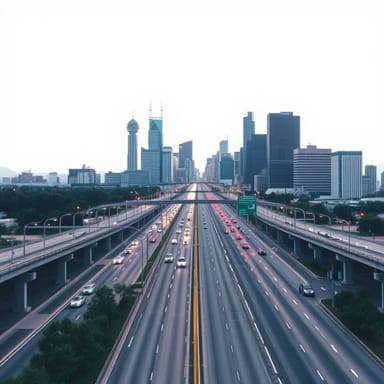
Houston, Texas, is a sprawling metropolitan area known for its dynamic economy, diverse culture, and extensive transportation network. Among its many highways and roadways, the term Beltway frequently comes up in discussions about commuting, urban planning, and regional traffic patterns. The Beltway in Houston is not just a simple road; it plays a crucial role in connecting neighborhoods, facilitating commerce, and shaping the growth of the city’s suburbs. Understanding what the Beltway is, how it functions, and its significance helps residents, visitors, and urban enthusiasts navigate the city effectively and appreciate its infrastructure planning.
Definition of the Beltway in Houston
In Houston, the term Beltway commonly refers to a series of looped highways encircling parts of the city, providing a way for motorists to bypass central areas and connect to other major routes. The most prominent Beltway in Houston is Beltway 8, also known as the Sam Houston Tollway. It functions as an outer loop around the city, complementing Interstate 610, which serves as the inner loop. Beltways are designed to manage traffic congestion, reduce travel time, and enhance accessibility to commercial, residential, and industrial zones.
History and Development
Beltway 8 was conceived in the mid-20th century to accommodate Houston’s rapid growth and urban sprawl. As the population expanded into suburban areas, city planners recognized the need for a highway system that would connect distant neighborhoods without forcing drivers to travel through downtown Houston. Over the decades, the Beltway has undergone expansions, modernization projects, and the introduction of toll lanes to handle increasing traffic volumes. Its development has significantly influenced real estate trends, economic activity, and commuting patterns throughout Greater Houston.
Structure and Layout
Beltway 8 forms a roughly circular path around Houston, stretching approximately 88 miles. It intersects with multiple major highways, including Interstate 10, Interstate 45, and U.S. Highway 59, creating convenient access points for local and long-distance travelers. The Beltway features both free and tolled sections, with toll lanes designed to provide faster travel options during peak hours. The highway is equipped with modern signage, exit ramps, and service areas to facilitate efficient travel.
Major Intersections and Connections
- Interstate 10 – connects Houston to cities like San Antonio and Baton Rouge.
- Interstate 45 – provides access to downtown Houston and northbound toward Dallas.
- U.S. Highway 59 – links to eastern and western Texas regions.
- State Highway 249 – serves northwest Houston suburbs.
- Interstate 69 – an important corridor for freight and commuter traffic.
Economic and Urban Impact
The Beltway in Houston has a profound influence on the city’s economy and urban development. By providing a continuous loop around the metropolitan area, it has enabled businesses to establish operations in suburban regions without sacrificing accessibility to central Houston. Shopping centers, industrial parks, and office complexes have flourished along Beltway corridors, creating job opportunities and stimulating local economies. Real estate development near Beltway interchanges has also increased, making these areas attractive for residential expansion and commercial investment.
Traffic Management
Beltway 8 helps distribute traffic more evenly across the city, reducing congestion on inner-city roads. The combination of toll lanes and general-purpose lanes allows drivers to choose routes based on speed and convenience. Traffic monitoring systems, cameras, and electronic toll collection improve safety and efficiency, enabling the Beltway to accommodate millions of vehicles annually. Additionally, the Beltway provides alternative routes during emergencies, natural disasters, or major construction projects, making it an essential component of Houston’s transportation resilience.
Suburban Connectivity
The Beltway plays a critical role in connecting Houston’s suburbs to the urban core and to each other. Communities such as Pasadena, Humble, Katy, and Spring benefit from direct access to Beltway 8, facilitating commuting, shopping, and leisure travel. The highway has also encouraged suburban expansion, as residents can live farther from downtown Houston while maintaining convenient travel options. This connectivity has shaped Houston’s metropolitan landscape, promoting both residential growth and economic diversification.
Commuter Benefits
- Reduced travel time by bypassing central city congestion.
- Access to multiple major highways for flexible routing.
- Toll lanes providing faster travel during peak hours.
- Improved reliability for daily commuters and commercial transport.
Environmental and Community Considerations
While Beltway 8 enhances mobility, it also presents environmental and community challenges. Expansive roadways contribute to urban heat, noise pollution, and air quality concerns. Additionally, the highway can divide neighborhoods and influence land use patterns. Houston’s planners have implemented landscaping, noise barriers, and stormwater management systems to mitigate negative impacts. Efforts to balance infrastructure expansion with community well-being remain ongoing, reflecting the city’s commitment to sustainable growth.
Future Developments
Houston continues to invest in Beltway infrastructure to accommodate population growth and increasing vehicle traffic. Future projects include widening lanes, enhancing toll systems, integrating smart traffic technologies, and improving interchanges for safer, more efficient travel. These developments aim to maintain the Beltway’s role as a backbone of Houston’s transportation network while addressing environmental and social concerns.
Cultural and Social Significance
Beyond its practical function, the Beltway has cultural and social significance in Houston. It often serves as a landmark for neighborhoods, school districts, and local identity. Residents use the Beltway as a point of reference when describing locations, commuting patterns, or community boundaries. Its presence has influenced how Houstonians perceive urban space, distance, and connectivity, making it an integral part of the city’s collective consciousness.
Recreational Use and Landmarks
- Access to parks, shopping centers, and entertainment districts along the Beltway.
- Proximity to major sports venues and event locations.
- Opportunities for suburban exploration and day trips.
The Beltway in Houston, primarily represented by Beltway 8 or the Sam Houston Tollway, is a vital infrastructure component that encircles the metropolitan area, providing efficient routes, enhancing connectivity, and shaping urban development. It intersects major highways, supports suburban expansion, and influences economic growth while addressing traffic management and environmental considerations. Beyond transportation, the Beltway holds cultural and social significance, serving as a landmark and reference point for residents. Understanding what the Beltway is in Houston helps commuters, businesses, and urban enthusiasts appreciate its role in facilitating mobility, supporting regional development, and connecting the diverse neighborhoods that make Houston a dynamic and thriving city.