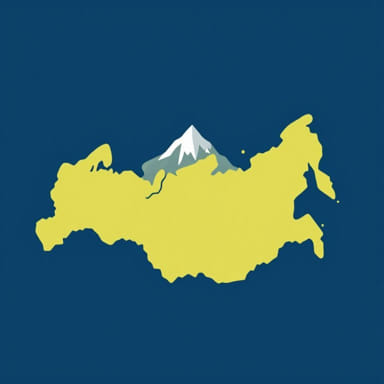
Separating the vast expanse of Russia from the diverse and culturally rich region of Transcaucasia is a mountain range that holds both geographic and geopolitical significance. This range forms a natural barrier between Eastern Europe and Western Asia, creating a clear division in landscape, climate, and history. The region around these mountains has witnessed centuries of migration, conquest, and cultural exchange. Understanding what mountain range separates Russia from Transcaucasia requires a closer look at the geography, formation, and importance of this boundary in shaping the countries and peoples of the region.
The Caucasus Mountains
Geographic Location and Definition
The mountain range that separates Russia from Transcaucasia is known as the Caucasus Mountains. This major mountain system stretches between the Black Sea and the Caspian Sea, forming the traditional boundary between Eastern Europe and Western Asia. The Caucasus is typically divided into two parts the Greater Caucasus in the north and the Lesser Caucasus in the south.
The Greater Caucasus range is the more prominent of the two and is what forms the main geographical barrier between Russia to the north and the countries of Transcaucasia Georgia, Armenia, and Azerbaijan to the south. This natural frontier has played a crucial role in limiting movement, influencing climate patterns, and shaping the political borders of the region.
Countries and Regions Along the Range
The Caucasus Mountains pass through or lie near several regions and countries
- RussiaThe northern slopes of the Greater Caucasus include Russian republics such as Dagestan, Chechnya, and North Ossetia.
- GeorgiaMuch of Georgia lies on the southern slopes of the Greater Caucasus, with the mountains forming a significant portion of its northern boundary.
- Armenia and AzerbaijanThese countries are located farther south of the main range but are still considered part of the Transcaucasian region.
Physical Characteristics of the Caucasus Mountains
Major Peaks and Elevation
The Caucasus Mountains are known for their rugged terrain and high peaks. The highest point in the range and also the highest mountain in Europe by some definitions is Mount Elbrus. Standing at 5,642 meters (18,510 feet), Mount Elbrus is located in the western part of the Greater Caucasus, within Russian territory. It is a dormant volcano and a popular destination for climbers and adventurers.
Other significant peaks include Mount Kazbek in Georgia and Mount Dykh-Tau, which is also in Russia. These peaks are glaciated and rise dramatically, offering a stark contrast to the flatter lands of southern Russia and the valleys of Transcaucasia.
Climate and Ecology
The climate across the Caucasus Mountains varies greatly depending on elevation and location. The northern slopes receive more precipitation and have a colder climate due to their exposure to winds from the north. In contrast, the southern slopes, which face Transcaucasia, tend to be drier and warmer.
The range supports diverse ecosystems, including alpine meadows, subalpine forests, and glacial regions. Many endemic plant and animal species thrive in this unique environment. The forests of the Caucasus are among the most biodiverse in Europe and Western Asia.
Historical and Cultural Significance
Barrier and Crossroads
The Caucasus Mountains have long served as both a barrier and a crossroads between civilizations. On one hand, the rugged terrain made it difficult for large armies or migrating populations to cross easily. On the other hand, narrow passes such as the Darial Gorge allowed for limited movement and trade between north and south, becoming important routes for cultural exchange and military campaigns.
Throughout history, the region has seen influences from Persian, Roman, Ottoman, Mongol, and Russian empires. The mountains provided refuge for smaller ethnic groups and helped preserve unique languages, religions, and traditions that still exist today.
Ethnic and Linguistic Diversity
The Caucasus is often called the mountain of languages because of its incredible linguistic diversity. Dozens of languages are spoken in the region, many of them unrelated to any major language families. Ethnic groups such as the Chechens, Ingush, Avars, and Circassians inhabit the northern slopes in Russia, while Georgians, Armenians, and Azerbaijanis form the majority in the south.
This diversity is partly a result of the mountains providing isolated environments where distinct communities could develop and maintain their identities over centuries, protected from larger cultural or political forces.
Geopolitical Importance
Modern Borders and Conflicts
The Caucasus Mountains continue to be significant in modern geopolitics. The natural boundary they form between Russia and Transcaucasia has influenced national borders and political dynamics. Conflicts in areas such as South Ossetia, Abkhazia, and Nagorno-Karabakh highlight how the region remains contested and strategically sensitive.
Russia maintains strong influence over the North Caucasus and has intervened in southern regions on various occasions. The rugged geography makes it both difficult to govern and strategically advantageous for defense and control.
Transport and Energy
Despite the natural barriers, the Caucasus region is crisscrossed by vital pipelines and transportation routes. Oil and natural gas pipelines pass through Georgia and Azerbaijan, connecting the Caspian region with Europe and bypassing Russian-controlled routes. Mountain passes and tunnels are essential for the movement of goods and people.
Infrastructure projects have sought to improve connectivity, but landslides, avalanches, and political instability often disrupt progress. The strategic location of the Caucasus Mountains continues to draw international attention from powers such as Russia, the European Union, Turkey, and Iran.
Environmental Challenges
Climate Change and Glacial Retreat
Like many mountainous regions around the world, the Caucasus is feeling the effects of climate change. Glaciers on Mount Elbrus and other peaks are retreating rapidly, affecting water sources for communities downstream. Changing weather patterns also increase the risk of natural disasters such as floods and landslides.
Conservation Efforts
Efforts are underway to preserve the unique environment and biodiversity of the Caucasus Mountains. National parks and protected areas exist in both Russia and the countries of Transcaucasia. International organizations have also partnered with local governments to promote sustainable tourism and protect endangered species.
The mountain range that separates Russia from Transcaucasia is the Greater Caucasus, a formidable and historically rich range of peaks that stretches from the Black Sea to the Caspian Sea. These mountains are more than just a natural boundary; they represent a cultural divide, a refuge for diversity, and a stage for geopolitical developments. From their towering peaks to their narrow gorges, the Caucasus Mountains continue to influence the geography, climate, history, and politics of the region they divide. Understanding their significance is key to grasping the broader context of both Russian and Transcaucasian landscapes.