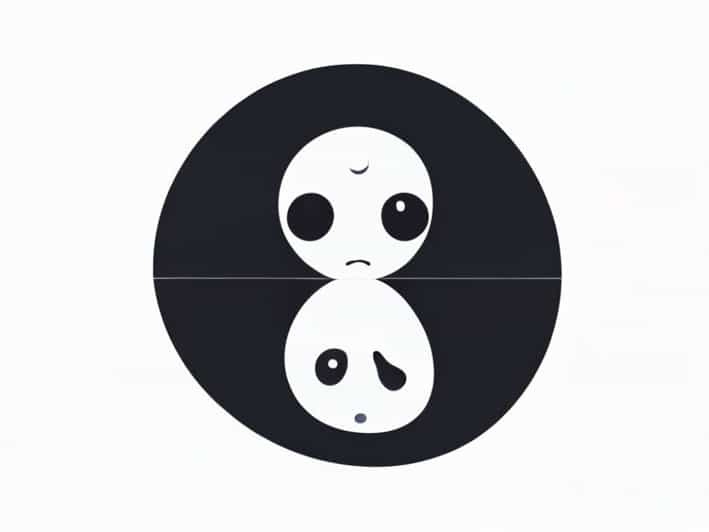
Fear is a fundamental human emotion, deeply rooted in our instincts and experiences, and its presence can shape thoughts, actions, and even perception. A reflection of fear goes beyond the immediate response to danger; it represents how fear manifests in consciousness, behavior, and interactions with the world around us. Understanding this reflection can provide insight into why people react the way they do, how fear can be managed, and how it influences decision-making in daily life. By exploring the psychological, physiological, and social aspects of fear, individuals can learn to recognize its impact and develop strategies for overcoming it.
Understanding Fear
Fear is an emotional response to perceived threats or danger. It is designed to trigger survival mechanisms, preparing the body for fight, flight, or freeze reactions. While fear is essential for survival, its reflection can often distort reality, creating anxiety or excessive caution in situations that may not warrant such strong reactions. Recognizing fear as both a protective mechanism and a potential source of limitation is the first step toward understanding its role in our lives.
Psychological Aspects of Fear
Psychologically, fear affects thought patterns, perception, and emotional regulation. When experiencing fear, the brain’s amygdala becomes highly active, signaling the body to respond to danger. This heightened state can influence decision-making, sometimes leading to avoidance behaviors or irrational judgments. A reflection of fear in the mind may appear as anticipation of negative outcomes, overthinking, or imagining worst-case scenarios.
Physiological Reactions
Fear triggers a cascade of physical responses in the body, commonly known as the stress or fight-or-flight response. These include increased heart rate, rapid breathing, muscle tension, and the release of stress hormones like cortisol and adrenaline. This physiological reflection of fear prepares the body to respond to threats but can also lead to exhaustion, weakened immunity, and chronic stress if fear becomes persistent or disproportionate.
Fear in Social Contexts
Fear is not only an individual experience but also a social phenomenon. People often reflect their fears through behaviors, communication, and interactions with others. Social fear can manifest as public speaking anxiety, fear of judgment, or hesitation in forming new relationships. Understanding these reflections can improve empathy and help address collective fears within communities.
Influence on Relationships
Fear can significantly impact relationships by creating barriers to trust and open communication. Individuals who experience fear may withdraw, become defensive, or struggle to express themselves honestly. Recognizing these behaviors as reflections of fear can aid in improving interpersonal understanding and fostering healthier connections.
Cultural Reflections of Fear
Different cultures reflect fear in unique ways, often through storytelling, rituals, or shared norms. Fear of the unknown, fear of failure, or fear of social ostracism can shape cultural practices and societal expectations. Understanding how fear is reflected culturally can provide insight into collective behaviors and shared values across communities.
Fear in Literature and Art
Artists and writers have long explored fear as a central theme, reflecting its complexities and nuances. In literature, fear is often portrayed through suspense, internal monologues, or dramatic conflicts, revealing how characters navigate anxiety and uncertainty. In visual arts, fear may be expressed through imagery, symbolism, and color schemes that evoke unease or tension. These reflections allow audiences to confront and understand fear vicariously.
Psychological Horror and Suspense
Genres such as psychological horror and suspense focus on the reflection of fear within the human mind. By exploring scenarios that trigger dread or anxiety, these works examine how fear distorts perception and influences behavior. They often challenge readers or viewers to consider their own fears and how they might respond in similar situations.
Symbolism and Metaphor
In art, fear is frequently represented through symbols and metaphors. Darkness, shadows, and distorted figures can reflect internal anxieties, while chaos and isolation may symbolize social or existential fears. These artistic reflections serve as a mirror to human emotion, allowing individuals to explore complex feelings safely and creatively.
Managing and Transforming Fear
While fear can be powerful and disruptive, it can also be managed and transformed through awareness and intentional practice. Recognizing fear as a reflection rather than an absolute reality allows individuals to assess risks, make informed choices, and act with confidence despite uncertainty.
Mindfulness and Self-Awareness
Practicing mindfulness can help individuals observe fear without being overwhelmed by it. Self-awareness allows for the identification of triggers, understanding emotional responses, and distinguishing between rational and irrational fears. Meditation, deep breathing, and reflective journaling are practical techniques for cultivating this awareness.
Cognitive Behavioral Approaches
Cognitive behavioral techniques can help reframe fearful thoughts, reduce anxiety, and promote constructive actions. By challenging distorted beliefs and gradually facing fears in controlled ways, individuals can weaken the intensity of fear and build resilience. This method reflects fear as a manageable element rather than an uncontrollable force.
Creative Expression
Artistic and creative practices provide outlets for processing and reflecting on fear. Writing, painting, music, and other forms of expression allow individuals to externalize internal anxieties, gain perspective, and communicate experiences that may be difficult to verbalize otherwise. This reflective process transforms fear into a source of insight and growth.
The Role of Reflection in Personal Growth
Fear, when reflected upon thoughtfully, can contribute to personal growth. By examining the causes and effects of fear, individuals develop emotional intelligence, resilience, and decision-making skills. Reflection helps transform fear from a limiting force into a guide that informs choices, encourages caution where necessary, and motivates action where appropriate.
Learning from Fear
- Identifying patterns of fear in past experiences to prevent repetitive stress.
- Recognizing opportunities for courage and growth through challenging situations.
- Developing empathy for oneself and others by understanding fear as a universal human experience.
Building Resilience
Resilience involves the ability to recover and adapt in the face of fear. By reflecting on fear, individuals strengthen coping mechanisms, improve problem-solving skills, and gain confidence in managing uncertainty. This reflective approach transforms fear into a tool for empowerment rather than a source of limitation.
A reflection of fear encompasses more than immediate reactions; it involves understanding how fear shapes thought, behavior, relationships, and culture. By exploring psychological, physiological, and social dimensions, individuals can gain insight into the ways fear influences life and how it can be managed effectively. Fear can serve as both a protective mechanism and a source of growth, providing opportunities for self-awareness, creativity, and resilience. Through reflection, mindfulness, and intentional practice, fear transforms from an obstacle into a guide, revealing the depth of human experience and the capacity to face challenges with courage and understanding.