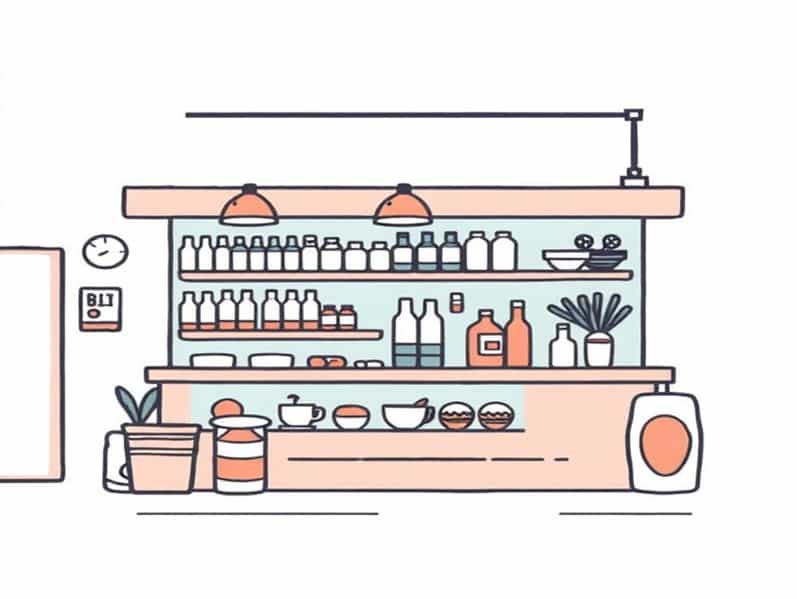
In many neighborhoods, a bodega isn’t just a corner store it’s a reflection of the community that surrounds it. From the aroma of coffee and freshly baked goods to the hum of local chatter, these small shops often serve as cultural anchors. But in recent years, something new has begun to emerge art at the bodega. Artists, curators, and locals alike are transforming these humble spaces into unexpected galleries. This growing movement combines creativity, culture, and accessibility in a way that redefines both art and everyday life.
The Meaning of Art at the Bodega
Art at the bodega represents more than just paintings hung on walls. It’s an intersection of community expression, grassroots creativity, and local identity. The concept highlights how art can live outside traditional museums or galleries, thriving instead in places where people gather every day. By bringing art into a familiar, casual setting, creators invite everyone regardless of background or education to experience and appreciate it.
Many of these initiatives began with local artists who wanted to break down the perceived barriers of the art world. Instead of exclusive spaces and formal openings, they chose to showcase their work in bodegas, where neighbors might stop by for milk or coffee. This kind of environment makes art accessible and conversational, turning a shopping errand into a cultural encounter.
How It Started
The movement toward bringing art into nontraditional spaces has roots in urban areas where creative communities often face limited access to formal venues. Bodegas, being central to daily life, naturally became gathering points for connection and self-expression. Artists realized these spaces were not just convenient they were symbolic. The bodega stands at the crossroads of community, representing everyday resilience and culture. By using it as a backdrop for art, creators send a message that beauty and creativity can exist anywhere.
Over time, cities like New York, Los Angeles, and Chicago have seen small pop-up exhibitions appear inside or beside local bodegas. Sometimes the store owners themselves are artists or art supporters, eager to collaborate and bring new energy to their spaces. These projects often evolve organically one wall turns into a mural, a refrigerator door becomes a canvas, or the checkout counter displays local photography.
The Role of Community
Art at the bodega thrives because it’s rooted in community. Unlike formal art institutions that can feel distant or intimidating, the bodega is inherently personal and familiar. Locals visit daily, forming relationships with store owners and other patrons. This makes it the perfect setting for community-driven art.
In some neighborhoods, weekly or monthly art nights have become traditions. Residents gather to view works, meet artists, and even participate in collaborative projects. Children might draw their own pictures to display, while older generations share stories that inspire new pieces. This creates a continuous exchange between artist and audience, blurring the line between creator and observer.
- AccessibilityEveryone can engage with the art, no admission fee or dress code required.
- RepresentationLocal artists see their culture reflected and celebrated in their own neighborhoods.
- ConnectionArt becomes a shared experience that builds stronger community ties.
Different Forms of Art Displayed
Murals and Wall Art
Murals are among the most visible and enduring forms of art at the bodega. They often cover exterior walls, depicting scenes of local life, cultural heritage, or social messages. These murals serve as both decoration and storytelling, turning blank spaces into landmarks that symbolize pride and identity.
Photography and Illustration
Inside many bodegas, you’ll find framed photographs, sketches, or small prints decorating the shelves or countertops. These intimate pieces invite viewers to pause for a moment of reflection amidst their daily errands. Some feature portraits of customers, transforming the bodega itself into a living gallery of its people.
Interactive Installations
More experimental artists use bodegas as stages for performance or interactive installations. For example, an artist might create a sound-based piece using ambient noises from the store, or host a live painting session where customers can contribute to a collective artwork. This approach emphasizes participation, reminding everyone that creativity belongs to all.
Why It Matters
Art at the bodega matters because it challenges the idea that art must exist only in exclusive spaces. It democratizes creativity, giving voice to local artists and inviting the public into the conversation. For neighborhoods often overlooked by large institutions, this type of grassroots movement brings recognition and pride.
Moreover, it revitalizes small businesses. A bodega that hosts art exhibitions can attract more visitors, increase sales, and foster a sense of community ownership. Store owners often feel proud to support artists, and customers enjoy seeing their environment change with new creative energy.
The Cultural Impact
From a cultural standpoint, art at the bodega celebrates diversity. Each neighborhood brings its own history, traditions, and aesthetics. The works displayed often reflect local languages, foods, and customs, creating a visual dialogue about identity. This makes each bodega exhibition unique a reflection of the people it serves.
In immigrant communities, for example, artwork might explore themes of belonging, transition, or nostalgia. In urban settings, artists may use the space to comment on social issues such as gentrification, inequality, or environmental change. The bodega becomes both a gallery and a platform for discussion, where art and daily life intersect naturally.
Challenges and Opportunities
While the concept of art at the bodega is inspiring, it’s not without challenges. Space is often limited, and artists must adapt their installations to fit tight quarters. Lighting and preservation can also pose difficulties, especially for delicate works. Additionally, not all customers may initially appreciate or understand the presence of art in what’s traditionally a retail space.
However, these limitations often fuel creativity. Artists learn to think resourcefully using shelves, windows, and ceilings as part of their canvases. The close quarters encourage interaction, sparking conversations that might not happen in larger, more formal environments. Many artists view these constraints as part of the experience, turning challenges into opportunities for innovation.
How to Support the Movement
Supporting art at the bodega can be simple yet impactful. There are several ways communities and individuals can get involved
- Visit and appreciateStop by your local bodega and take time to observe the art on display.
- Buy localSupport artists by purchasing small prints or handmade crafts featured in the store.
- CollaborateIf you’re an artist, propose an exhibition or workshop in collaboration with the store owner.
- Spread the wordShare the experience with friends, family, or social media to raise awareness.
Even small gestures like leaving feedback or showing interest help sustain these community-driven art spaces. The more people engage, the more likely these projects will grow and inspire others.
Looking Ahead
The future of art at the bodega looks promising. As more cities embrace community-based initiatives, the concept is spreading beyond its urban roots. Suburban and rural areas are adapting the idea to fit local contexts, turning small shops, cafés, and convenience stores into creative spaces. Artists continue to explore how these accessible venues can serve as bridges between art and everyday life.
Technology also plays a role in the movement’s evolution. Digital art displays, augmented reality experiences, and virtual exhibitions can blend with physical installations, offering new ways for audiences to connect. The key remains the same bringing creativity closer to the people, where it can inspire, educate, and unite.
Art at the bodega reminds us that creativity does not need grand stages or polished galleries to make an impact. It thrives in the everyday spaces where people live, work, and share moments. By turning ordinary stores into cultural hubs, this movement redefines what it means to experience art. It celebrates community, accessibility, and expression proving that beauty can bloom even between the aisles of a corner store. As more people embrace this idea, the line between art and life continues to blur, creating a richer, more connected world for everyone.