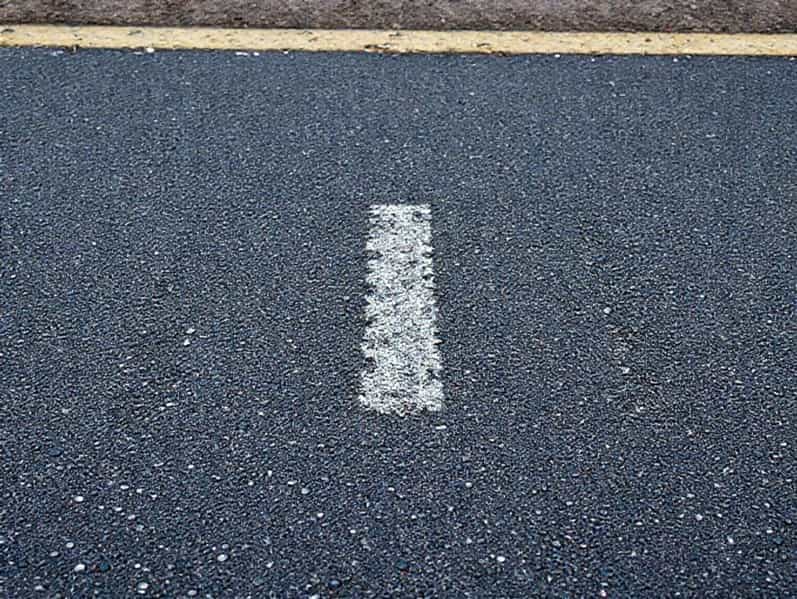
Finding crushed asphalt near me has become a common need for homeowners, contractors, and landscapers looking to complete paving, driveway, or landscaping projects. Crushed asphalt is a versatile material made from recycled asphalt pavement, offering an eco-friendly, cost-effective, and durable solution for various construction and improvement needs. Whether you are planning to repair a driveway, build a walkway, or create a stable base for a parking area, knowing where to source crushed asphalt locally can save both time and money. Understanding its benefits, applications, and sourcing options helps ensure that your project is completed efficiently and effectively.
What Is Crushed Asphalt?
Crushed asphalt, sometimes referred to as recycled asphalt pavement (RAP), is produced by milling or crushing old asphalt surfaces and combining the resulting material with aggregates. This process allows for the reuse of existing asphalt, reducing the need for new raw materials and minimizing environmental impact. Crushed asphalt typically comes in various sizes, such as ½ inch, ¾ inch, or mixed grades, which are suitable for different construction and landscaping purposes. Its compactable nature makes it ideal for forming strong, stable surfaces that can withstand heavy traffic.
Key Properties of Crushed Asphalt
- DurabilityCrushed asphalt is strong and resilient, making it suitable for driveways, parking lots, and road base layers.
- RecyclableIt is made from recycled asphalt, reducing landfill waste and conserving natural resources.
- Cost-EffectiveTypically less expensive than new asphalt or concrete, providing budget-friendly options for large projects.
- Easy InstallationIt can be spread, leveled, and compacted without requiring specialized equipment for small projects.
- Weather ResistantCrushed asphalt resists erosion and can perform well in varying climates when properly compacted.
Applications of Crushed Asphalt
Crushed asphalt has a wide range of applications in both residential and commercial projects. Its versatility allows it to be used in various construction, landscaping, and maintenance tasks. Understanding these applications can help you determine the right type and quantity of crushed asphalt for your specific project.
Driveways and Parking Areas
One of the most common uses of crushed asphalt is for driveways and parking areas. When properly compacted, it forms a stable, smooth surface capable of supporting vehicles of all sizes. Using crushed asphalt for a driveway offers an economical alternative to paving with new asphalt or concrete, while also allowing for easy repairs if necessary. Its natural dark color also mimics traditional asphalt, giving driveways a professional appearance.
Road Base and Repair
Contractors frequently use crushed asphalt as a base layer for new roads or as a patch material for existing surfaces. Its compactable properties provide excellent stability and drainage, reducing the risk of road deformation and potholes. Crushed asphalt can be recycled multiple times, making it a sustainable solution for large-scale infrastructure projects.
Landscaping and Pathways
In addition to structural applications, crushed asphalt is used in landscaping and garden paths. Its small, angular ptopics allow it to compact well, forming stable walkways and garden beds. It can also be combined with other aggregates or soils to improve drainage and prevent erosion in sloped areas. Landscaping with crushed asphalt is ideal for properties where a durable, low-maintenance surface is desired.
Erosion Control and Fill Material
Crushed asphalt can serve as an effective erosion control material in construction and landscaping projects. It can be placed on slopes, embankments, or areas prone to water runoff to reduce soil erosion. Additionally, it can be used as a fill material for low-lying areas, trenches, or drainage projects, providing stability and preventing water accumulation.
Finding Crushed Asphalt Near Me
Finding crushed asphalt locally requires knowledge of suppliers, quarries, and recycling facilities. Many areas have companies that specialize in the production and distribution of crushed asphalt for residential and commercial use. Searching online, checking local directories, or contacting construction material suppliers can help you locate nearby sources. Local recycling centers may also offer crushed asphalt at competitive prices, providing an eco-friendly option while supporting sustainable practices.
Tips for Sourcing Crushed Asphalt Locally
- Search for crushed asphalt near me or recycled asphalt pavement suppliers online to find nearby distributors.
- Call local construction material yards or landscaping suppliers to inquire about availability, delivery options, and pricing.
- Check with municipal recycling facilities or road maintenance departments, which sometimes sell or donate excess asphalt material.
- Compare different suppliers for quality, ptopic size, and cost before making a purchase.
- Consider delivery options, especially for large quantities, to reduce transportation challenges.
Factors to Consider When Buying Crushed Asphalt
Before purchasing crushed asphalt, it’s important to consider factors that affect its performance and suitability for your project. These factors include ptopic size, compaction requirements, volume needed, and whether any additional materials are necessary to enhance stability or drainage.
Ptopic Size
Crushed asphalt comes in varying sizes, and choosing the right size depends on the intended application. Smaller ptopics are ideal for garden paths or minor leveling, while larger, coarser ptopics work well for driveways and road base layers. Mixed-size crushed asphalt is often preferred for areas that require strong compaction and minimal void spaces.
Compaction and Preparation
Proper compaction is essential for crushed asphalt to achieve maximum stability and longevity. Compacting layers using a mechanical roller or hand tamper ensures that the surface is solid and prevents shifting over time. Preparing the underlying base, removing debris, and leveling the area prior to spreading the asphalt will also enhance durability and performance.
Volume and Coverage
Calculating the amount of crushed asphalt required is critical to avoid shortages or excess. The volume needed depends on the surface area, desired thickness, and intended use. Suppliers often provide guidance on estimating quantities based on project dimensions. Planning ahead reduces the need for multiple deliveries and ensures a smooth installation process.
Advantages of Using Crushed Asphalt
Choosing crushed asphalt over other materials offers several advantages
- Environmental BenefitsMade from recycled material, reducing landfill waste and conserving natural resources.
- Cost SavingsLess expensive than new asphalt, concrete, or gravel alternatives.
- DurabilityProvides long-lasting surfaces for driveways, paths, and road bases.
- Ease of InstallationCan be spread and compacted without specialized equipment for small projects.
- VersatilitySuitable for driveways, pathways, landscaping, and erosion control.
Crushed asphalt is a practical, eco-friendly, and cost-effective material that serves multiple purposes in construction, landscaping, and maintenance projects. Whether you need a stable driveway, a durable road base, a garden pathway, or erosion control, sourcing crushed asphalt locally can streamline your project and reduce expenses. By understanding its properties, applications, and sourcing strategies, you can make informed decisions and ensure the success of your project. Searching for crushed asphalt near me is the first step toward acquiring a versatile material that combines sustainability, strength, and practicality, providing long-term value for homeowners, contractors, and landscapers alike.
When purchasing crushed asphalt, careful consideration of ptopic size, compaction methods, and volume requirements will enhance performance and longevity. Leveraging local suppliers and recycling facilities not only supports community resources but also reduces environmental impact. Overall, crushed asphalt remains an essential material for modern construction and landscaping, offering a durable and sustainable solution for a wide range of applications.